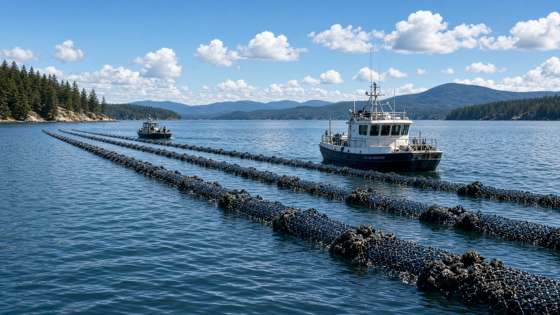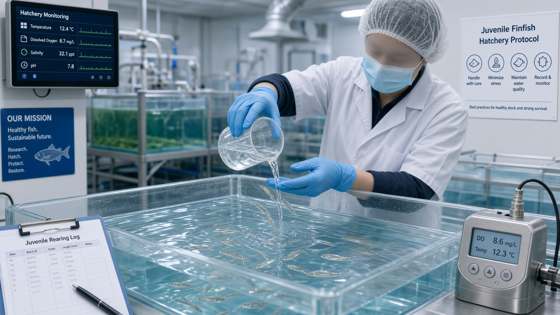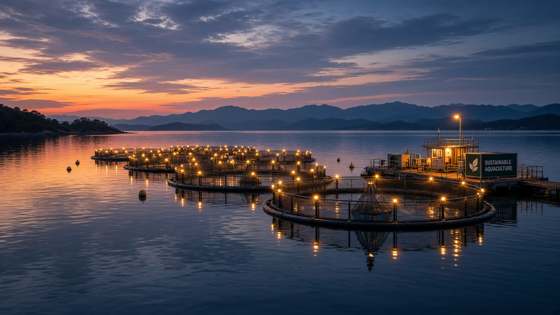
IMTA, short for integrated multi-trophic aquaculture, is a farming approach that raises several species together so that the waste from one becomes food for another. A farm might grow salmon alongside mussels and kelp, for instance. For shoppers, IMTA is still a small slice of the market, but it is a good example of how farming can try to cut its footprint, and you may see it mentioned on labels or brand websites.
How IMTA works in plain terms
The idea mimics a natural food web. In an IMTA system:
- Fed species such as salmon or sea bass produce nutrients and fine waste in the water.
- Filter feeders such as mussels and oysters strain small particles out of the water.
- Seaweeds absorb dissolved nutrients such as nitrogen.
The hope is that the extra nutrients are put to use growing additional crops that can be sold, instead of simply drifting away. Results depend on farm design, currents and how the species are positioned, and research on how much IMTA reduces impact is still developing, so it is best viewed as promising and not a guarantee.
What IMTA means at the counter
Taste and quality
IMTA does not give the fish itself a special flavor. Mussels, oysters and kelp grown in these systems taste like their water, as with any shellfish. Salmon raised in an IMTA farm is the same species with a similar flavor to other farmed salmon. If you like the idea of eating lower down the food chain, shellfish and seaweed are naturally fed by the water and need no added feed, which is why they are often seen as lower-impact choices. See our guide to mussel farming for more.
Price
IMTA products can cost somewhat more because the farms are smaller and more complex. You are mostly paying for the story and the careful management, so check that there is substance behind it.
How to tell if an IMTA claim is real
- Look for a farm or brand website that names the species grown together and where.
- Check for an independent certification such as ASC. IMTA alone is a production method, not a certification.
- Look the product up on Seafood Watch, which rates farmed seafood by species and method.
- Be cautious of marketing that uses terms like "eco" or "regenerative" without details.
The wider picture
NOAA describes aquaculture as a growing part of the US seafood supply and covers marine farming approaches on its aquaculture topic page. IMTA fits into a bigger trend toward systems that give back to the environment, such as the shellfish and seaweed farming described in restorative aquaculture.
Questions shoppers ask about IMTA
Is IMTA seafood safer or healthier?
Not automatically. Safety depends on the water, the species and the handling, the same as with any seafood. Shellfish in particular must come from approved, monitored harvest waters, and the Interstate Shellfish Sanitation Conference explains how those programs work in the US. A seaweed or mussel grown next to a fish farm is still subject to the same rules as any other.
Where will I find it?
Mostly through specialty seafood shops, farmers markets, direct-from-farm sales and a few brands in Canada, Europe and Asia. If a seller claims IMTA, ask which species are grown together and for how long the system has been in use.
Should I pay more for it?
Only if the product also checks out on the basics: it tastes good, it is fresh, and it is certified or independently rated. A modest premium for a farm that clearly reduces its footprint can be reasonable, but a large markup based on the term alone is not.
If you see IMTA on a label, treat it as a good sign worth checking, not a final answer: confirm the species, the origin and any certification, and buy the seafood you enjoy from farms that can back their claims.