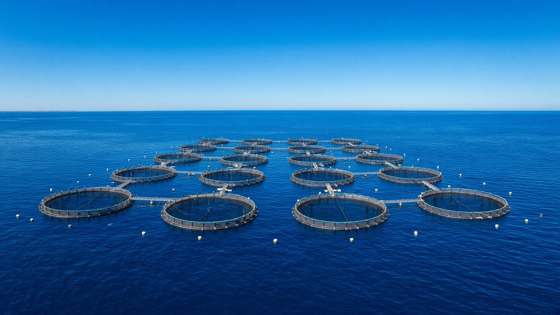
Mussel farming is one of the best stories in seafood: the mussels you buy at the store were almost certainly farmed, they cost far less per meal than most seafood, and they need no added feed. Mussels filter plankton from the water, so the farmer's job is to give them a good place to grow and then keep them clean and healthy. That makes them a favorite choice among sustainability rating groups and a very good value for home cooks.
How rope and raft mussel farming works
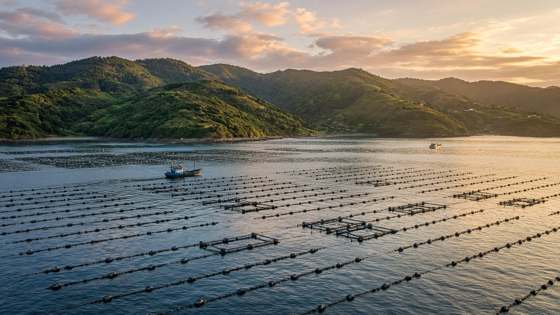
Young mussels, called seed, attach themselves to ropes, which are hung from floating rafts or long lines anchored in sheltered water. Held off the seabed, the mussels grow in nutrient-rich water and stay clear of bottom predators such as crabs. After a year or so they are harvested, cleaned, de-clumped and sorted, and then packed in mesh bags for sale. Bottom-grown and wild mussels exist as well, but rope-grown ones are typically cleaner and less gritty. For other shellfish methods see our look at oyster farming.
Why shoppers like farmed mussels
- Price. Mussels are typically one of the least expensive shellfish, often priced low enough for a family meal.
- Little grit. Rope-grown mussels hang above the seabed, so they usually have less sand inside.
- Sustainability. They need no feed and can help filter water. Check Seafood Watch for the rating for your region; many farmed mussels rate well.
- Convenience. They cook in minutes in a single pot.
How to buy farmed mussels
Check the shells
Live mussels should have closed shells, or shells that close when you tap them. They should smell like fresh seawater, not sour or fishy. Discard any with cracked shells or any that stay open after a tap. Packaging from a farm will often show the harvest area and date.
Mussel farming labels to look for
Many bags carry a shellfish tag or label with the harvest location. Ask the counter where they come from, and look for certification marks such as the ASC. Our guide to shellfish storage explains how to keep them.
Cleaning and cooking
- Store mussels in the refrigerator in a bowl covered with a damp cloth, not sealed in plastic or sitting in fresh water. Use within a day or two.
- Right before cooking, rinse under cold water and scrub the shells.
- Pull off the "beard", the fibrous thread at the hinge, and discard any mussels that will not close when tapped.
- Steam in a covered pot with wine, stock or coconut milk for about 5 to 6 minutes, until the shells open.
- Throw away any that stay closed after cooking.
Try our mussels in coconut curry broth for a flavorful weeknight dinner. For eating guidance on shellfish in general, see the FDA's fish advice.
Price and portion guide
Mussels are usually sold by the pound in mesh bags, and a pound or so of live mussels per person makes a generous main course, or about half a pound for a starter. Because shells account for much of the weight, the edible meat is a smaller share, but the low price per pound still makes them one of the best values at the seafood counter. Sizes vary, and smaller mussels are usually sweeter and more tender, while larger ones are meatier.
Flavor ideas
Classic steamed mussels use shallots, garlic, white wine and parsley. For a different take, try tomato and chorizo, curry and coconut milk, or beer with mustard. Serve with crusty bread to mop up the broth. If you have leftovers, remove the meat from the shells, chill it, and use it within a day or two in pasta, salads or a quick chowder.
For a tasty, affordable and low-impact meal, mussel farming gives you a lot to like: buy them live, keep them cold and cook them the same day, and a bag of farmed mussels will always be a good bet.