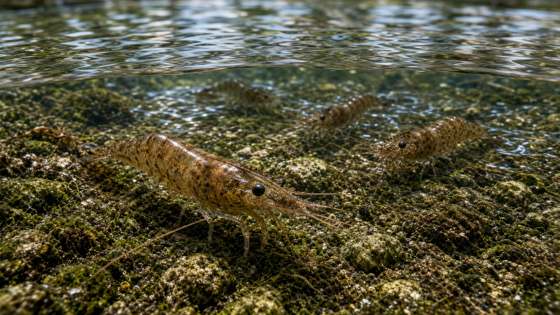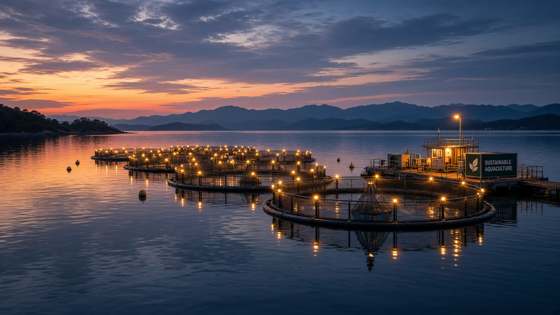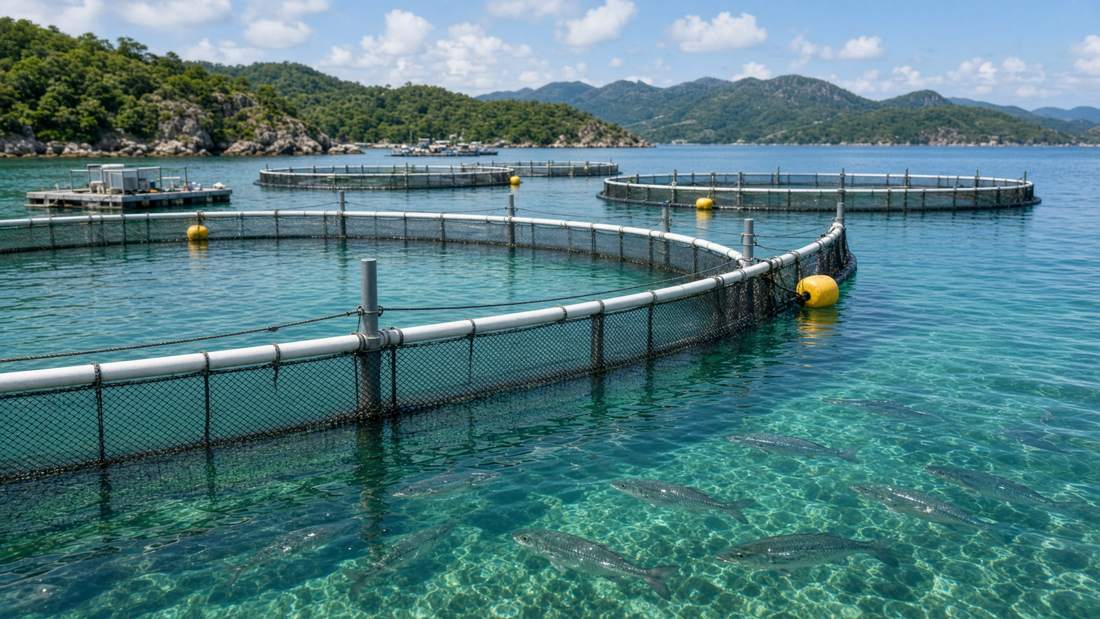
Shrimp farming is where most of the shrimp in the freezer aisle comes from. The United States imports the great majority of its shrimp, and a large share of that is farmed in warm coastal countries in Asia and Latin America. Because practices vary a great deal between farms, a little knowledge helps you pick shrimp that tastes good, is fairly priced and fits your values.
How shrimp farming works
Most farmed shrimp are raised in coastal ponds. Hatcheries produce tiny larvae, which are stocked in ponds and fed pellets until harvest. The main species is the Pacific white shrimp, also called whiteleg shrimp, with black tiger shrimp also common in some regions. Some farms use low-density, lower-input methods, while others are intensive with aerators and heavy feeding. Our look at pond aquaculture explains the basics.
What it means for taste and texture
Well-handled farmed shrimp is sweet and firm. Most shrimp is frozen soon after harvest, often on the boat or at the processing plant, which keeps quality high. In fact, "fresh" shrimp at the counter has often been thawed from frozen, which is why buying frozen and thawing it yourself can be the better choice. See thawing seafood safely.
Reading the shrimp label
Shrimp farming and the ingredient list
Plain shrimp should list shrimp, sometimes with salt. Some products add phosphates to hold water, which can make shrimp look plump but release water in the pan. Sulfites are sometimes used to prevent black spots, and US labeling rules require sulfites to be declared when present at detectable levels. If you are sensitive to sulfites, read the label every time.
Certification and origin
US retail packages must show country of origin and whether the shrimp is farm-raised. Our article on country of origin labeling explains the rules. Certification logos such as ASC and BAP indicate third-party audits of the farm; learn more from the ASC and BAP sites.
Environmental and social concerns
Known issues in some regions include loss of mangrove habitat, disease management, antibiotic use and labor conditions. Not all farms are the same. Use Seafood Watch to check a specific product, and see mangrove destruction and shrimp farming for background.
Buying tips
- Choose shell-on, raw, frozen shrimp for the best flavor and least additives.
- Look for loose, individually frozen shrimp with no heavy ice or freezer burn.
- Avoid shrimp with black rings on the shell or a strong ammonia smell.
- Cooked shrimp should be pink and opaque; overcooking makes it rubbery, so pull it as soon as it curls into a loose C.
- Compare certified and non-certified prices; the premium is often modest.
Size, count and price
Shrimp are sold by count per pound, such as 16/20 or 31/40, which means that number of shrimp make up a pound. A smaller number means bigger shrimp and a higher price. Bigger shrimp suit grilling and skewers, while medium and small shrimp are better for fried rice, pasta and soups. Do not pay the large-shrimp premium for a dish where they will be chopped up.
Storing and cooking
Keep frozen shrimp in the freezer until the day before you cook, thaw in the refrigerator or in a bowl of cold water, and cook within a day. Shrimp are done when they turn pink and opaque and curl into a loose C. A tight O means overcooked. Leaving the shells on during cooking adds flavor and helps protect against drying out. You can use the shells to make a quick stock too.
Shrimp farming is a big, varied industry, so treat the label as your guide: choose the form, origin and certification you trust, and farmed shrimp can be a tasty, affordable staple.