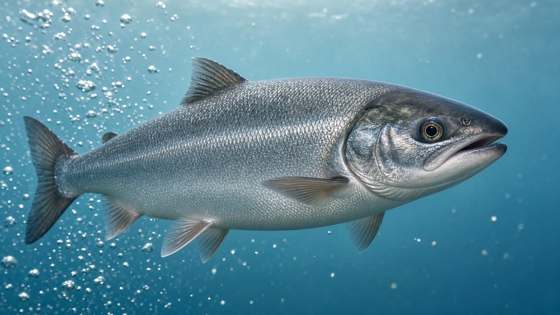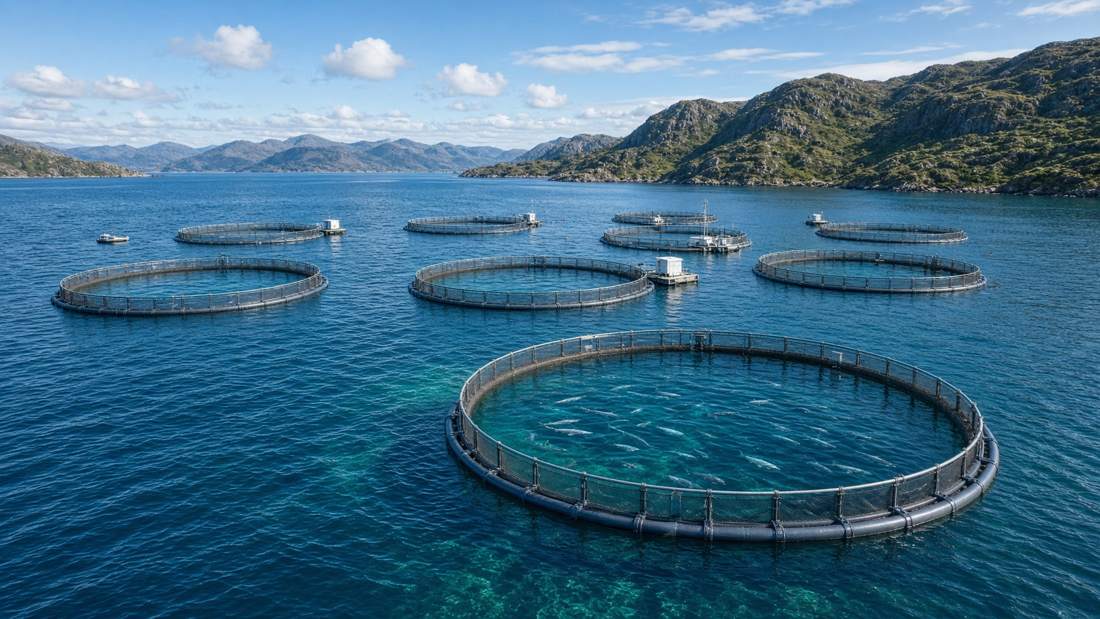
Salmon farming is the reason you can buy fresh salmon every day of the year. Most of the salmon in supermarkets and restaurants is farmed Atlantic salmon, raised in coastal waters in countries such as Norway, Chile, Canada and Scotland. Here is how it works, what it means for the fillet in your basket, and how to choose well.
How salmon farming works
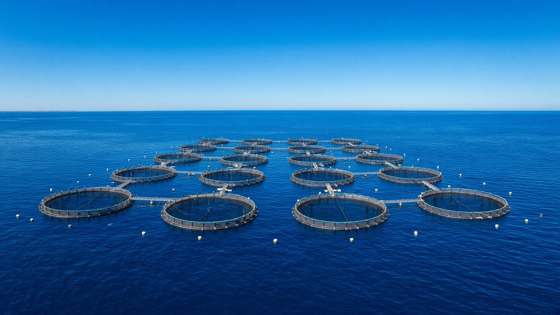
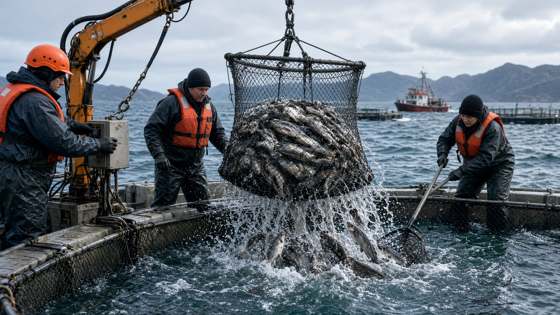
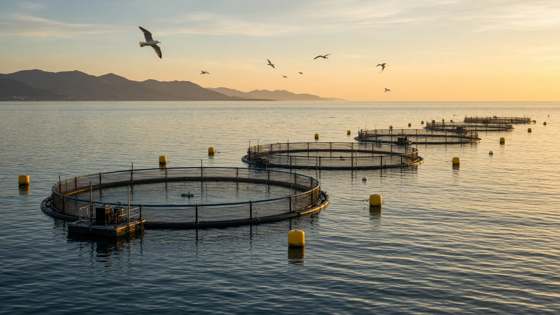
Salmon begin life in freshwater hatcheries, where eggs hatch and the young fish grow into small juveniles. They are then moved to sea pens, often called net pens, where they are fed pellets for roughly a year or more until they reach market size. Some producers now raise salmon on land in recirculating tanks, which we explain in our RAS guide. Fish are harvested, chilled quickly and shipped fresh or frozen.
Farmed vs wild salmon: the real differences
Flavor and fat
Farmed salmon tends to be milder, softer and fattier than most wild salmon. Wild fish such as sockeye are leaner, firmer and more intensely flavored. Neither is better; they suit different dishes. Farmed fillets are great for baking and pan-searing because the fat keeps them moist. Lean wild salmon can dry out if you overcook it.
Color
Salmon flesh is pink because of carotenoid pigments, mainly astaxanthin. In the wild the fish get it from krill and small crustaceans. On farms it is added to the feed. The pigment is a natural nutrient, and a deeper color does not tell you the fish is fresher or better.
Salmon farming and price
Farmed salmon usually costs less than wild because supply is steady and production is efficient. Wild salmon prices swing with the season and the catch.
Safety and health
Salmon is among the fish the FDA and EPA list as a "best choice" because of its lower mercury levels, and the agencies encourage eating a variety of fish each week. See the FDA advice about eating fish for serving guidance, including advice for pregnant women and children. Check current guidance if it applies to you.
The environmental questions
Open-water farms raise concerns such as sea lice, escapes and waste, which we cover in environmental impact of fish farms. Farms and countries differ a lot, which is why ratings help. Check a product at Seafood Watch and look for the ASC label from the Aquaculture Stewardship Council.
How to buy farmed salmon
- Look for flesh that is moist and firm with no brown edges or gaping, and a clean smell.
- Check the label: it must say farm-raised and show the country of origin.
- Choose certified products where you can; our guide to aquaculture certifications explains the logos.
- Frozen portions are often a good value, and they are usually frozen soon after harvest.
- Skin-on fillets are easier to cook without sticking and make crisp skin possible.
Fresh, frozen and smoked: which to pick
Fresh fillets are best when you plan to cook within a day or two and the fish looks bright and smells clean. Frozen portions, especially vacuum-packed ones, are often frozen soon after harvest and keep their quality for months, which makes them a strong value for weeknights. Smoked salmon comes in two main styles: cold-smoked (silky, like lox) and hot-smoked (flaky, cooked through). Keep both cold, and follow the use-by date on the pack. Pregnant people and those with weakened immune systems should check current guidance on cold-smoked fish before eating it.
Cooking farmed salmon well
Because farmed salmon is rich, it handles high heat. Pat the fillet dry, season it, and sear skin-side down in a hot pan until the skin is crisp, then finish in the oven or flip for a minute. The USDA and FDA recommend cooking fish to 145 F, though many cooks prefer to pull salmon a little earlier for a softer center; follow the guidance that suits your household. If white albumin beads up on the surface, you have cooked it quickly at high heat, and it is harmless. Brining a lean fillet for ten minutes in salted water also helps keep it moist.
Salmon farming has both strengths and weaknesses, but with a little label reading you can find a farmed salmon that fits your budget and your standards, and enjoy it with confidence.