Cod farming looked like the next big thing in aquaculture a couple of decades ago, and several countries invested in it. In practice, it stayed small. For shoppers the result is straightforward: nearly all the cod you buy is wild-caught, and the lessons from farming attempts explain why cod prices behave the way they do and what to look for in a good fillet.
What happened with cod farming
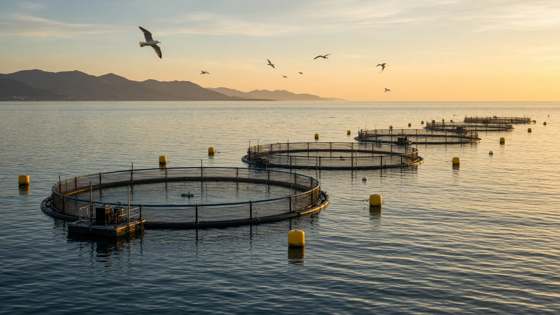
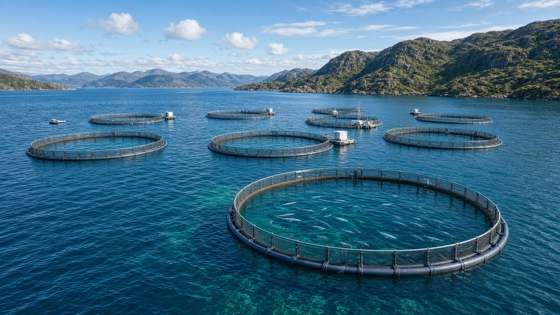
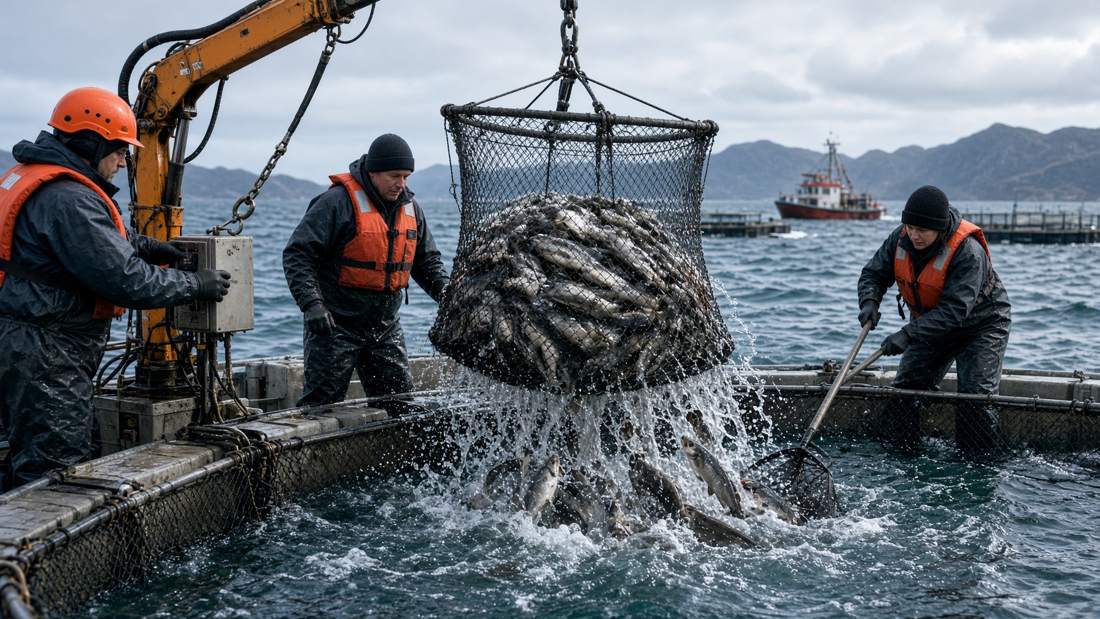
Cod can be raised in sea cages, and farms have operated mainly in Norway and a few other countries. The challenges were practical. Young cod are hard to rear, some fish mature early and slow their growth, disease management is demanding, and wild cod supplies recovered enough in some regions to keep market prices low. With relatively thin margins, many farms closed or stayed very small. These are the same kinds of hurdles described in halibut farming challenges and larval rearing challenges.
What this means when you buy cod
Most cod is wild
Atlantic cod and Pacific cod come from managed fisheries, and the label will usually say wild-caught, along with the origin. Sustainability ratings differ a lot between stocks and regions, so check Seafood Watch and the NOAA FishWatch species profiles instead of assuming. Look for the blue label of the Marine Stewardship Council, which certifies wild fisheries.
If cod farming shows up at your store
It should be labeled farm-raised with a country of origin. Ask how it was raised and whether it is certified. Treat it as a specialty item.
Why cod is popular
Cod is mild, white and flaky with a clean taste and large, tender flakes, which makes it a staple for fish and chips, baking, chowders and stews. Pacific cod is a bit softer and more watery than Atlantic cod, which tends to be firmer. Both cook quickly; look for opaque flesh that flakes, at an internal temperature of 145 F. See our recipe for baked cod with herb crust.
Fillet buying checklist
- Choose fillets that are white and moist with no yellowing, brown edges or gaps.
- Smell should be fresh and mild, not sour.
- Frozen-at-sea fillets can be excellent because the fish is frozen soon after it is caught. Read more in fresh vs frozen nutrition and taste.
- Check the ingredient list on frozen fillets, since some are soaked in a salt solution that adds water weight.
- Compare cod with similar white fish, such as haddock or pollock, for better value.
Cod alternatives that cost less
If cod is pricey where you shop, haddock, pollock, hake and Pacific whiting have similar mild, white, flaky flesh and are often cheaper. Pollock is widely used in fish sticks and sandwiches, and it fries well. Haddock is a classic in fish and chips in many regions. Substitutes need the same care: check for fresh smell, firm flesh and clear labeling of species and origin, and check each species on Seafood Watch.
Salt cod and other forms
Salt cod is cod that has been preserved with salt and dried, a staple in Portuguese, Spanish, Caribbean and other cuisines. It needs to be soaked in several changes of cold water in the refrigerator for a day or two before cooking, and it is a very different product from fresh fillets. If you see it, check the ingredient list and soaking directions on the package.
Cod farming never became a major source of supply, and that makes your job easy: read the label for wild or farmed, look for certification and freshness, and enjoy a dependable white fish without paying extra for a story.