Larval rearing challenges are a hidden reason why some farmed seafood is cheap and plentiful while other species stay rare and expensive. Newly hatched fish and shellfish are tiny, fragile and picky, and getting them to survive the first weeks is one of the hardest steps in aquaculture.
Why larvae are so difficult
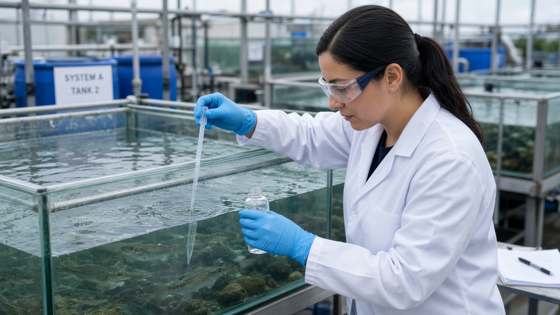
Many marine fish hatch as very small larvae that cannot yet eat ordinary feed. They need live food, such as microscopic algae and tiny animals called rotifers, and later brine shrimp, before they can switch to pellets. Water temperature, light, cleanliness and timing must be right. A small mistake can cause a large share of the batch to die. Shellfish larvae, such as oysters and clams, float freely and feed on algae before settling into their adult form.
By contrast, salmon, trout and tilapia hatch with a yolk sac and larger bodies, which makes them easier to rear. This is a major reason these species dominate farmed supply.
How larval rearing challenges affect price and supply
- Low survival costs money. If many larvae die, the cost of the survivors goes up, and so does the retail price.
- Some species are slow to commercialize. Species with difficult larval stages, such as certain flatfish and cod, have taken years of research to farm at scale; see halibut farming challenges and cod farming lessons learned.
- Disease risk. Outbreaks in hatcheries can cut supply across a region months later.
- Seasonal gaps. Supply of seed for oysters can vary with water and algae conditions.
What shoppers can do about larval rearing challenges
You cannot change the biology, but you can shop smartly. Choose species that are reliably farmed when you want a steady price, such as tilapia, trout and catfish. Treat premium farmed species as occasional purchases. When you see an unusually cheap price for a species known to be hard to farm, ask whether it is wild-caught or farmed, and where it came from.
Does this affect safety or taste?
Not directly. Larval success affects survival and cost, not the safety of the fillet. Taste and texture depend on feed, water and handling later in the cycle. Hatcheries that follow good practices, such as those certified under programs like Best Aquaculture Practices, keep records on health and treatments.
Wild-caught juveniles versus hatchery-raised
Where larval rearing is too difficult, some farms collect wild juveniles and grow them out. This can put pressure on wild populations, which is why ratings services consider sourcing. The Seafood Watch site rates farmed species by origin and method, so use it when choosing between similar products. A hatchery-raised animal generally has a stronger sustainability record than one dependent on wild seed. For the stage before this one, see hatchery operations 101.
Quick buying guide
- Compare price per pound across species; premium farmed species cost more because rearing is harder.
- Pick farmed salmon, trout, catfish or tilapia for everyday meals.
- Look for certification logos and named origin on specialty fish.
- Check labels for farmed or wild, since both can appear in the same case.
Next time a farmed fish seems expensive, remember the first weeks of its life. Larval rearing challenges explain a lot about what lands on your plate and what it costs.