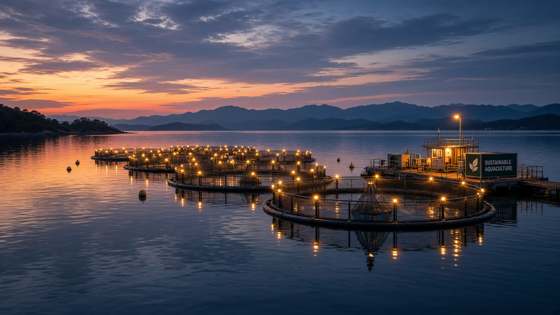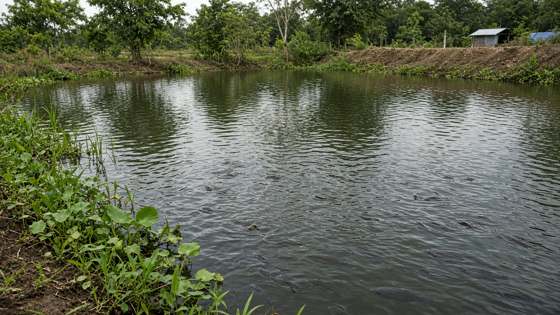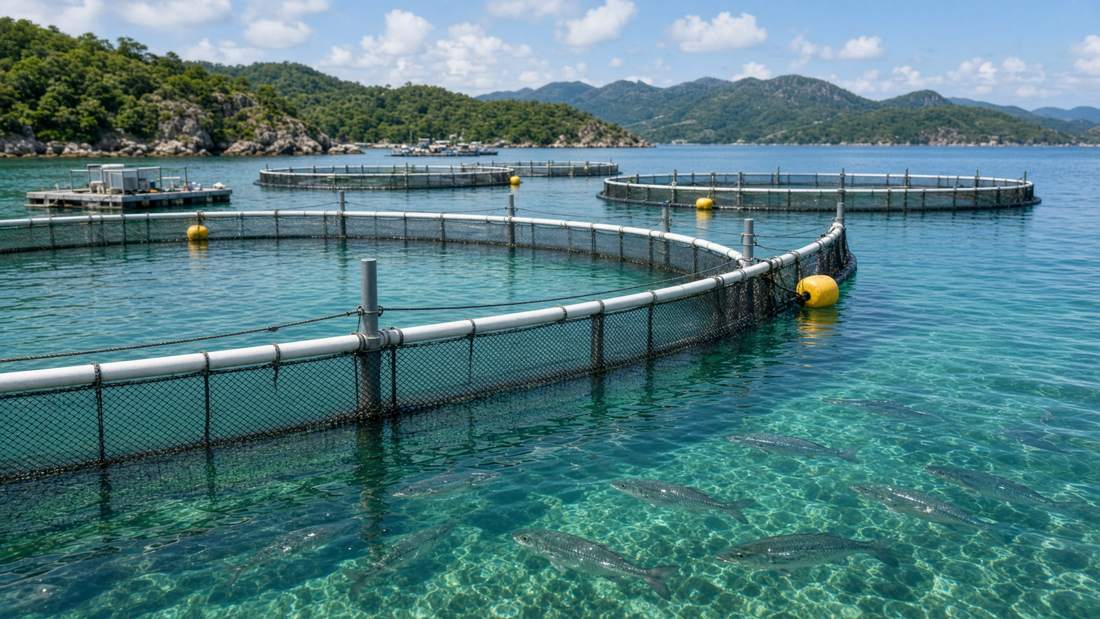
Financing a fish farm is a challenge that shapes what appears at the seafood counter, even though shoppers rarely hear about it. Farms require money long before a single fish is sold, and that fact helps explain why some farmed species are plentiful, why others are rare, and why prices can swing from season to season.
Why fish farms need money up front
A fish or shellfish farm has to pay for ponds, tanks, nets or leases, equipment, young animals and feed, then wait for the crop to grow. Depending on the species, that wait may be months for shrimp or tilapia, and a year or more for salmon or many oysters. During that time the farm earns nothing from that crop. Lenders and investors consider this risk when deciding whether to fund a farm, and our companion article on insurance for aquaculture operations explains how risk is shared.
How financing a fish farm affects what you buy
- Species choice. Farms favor species with well-understood production and reliable markets, which is why salmon, tilapia, catfish and shrimp dominate. Newer species can struggle to find funding.
- Supply. Slow, expensive start-up means new farms take time to appear, so supply grows gradually.
- Price. Interest costs, equipment and long production cycles all feed into the final price per pound.
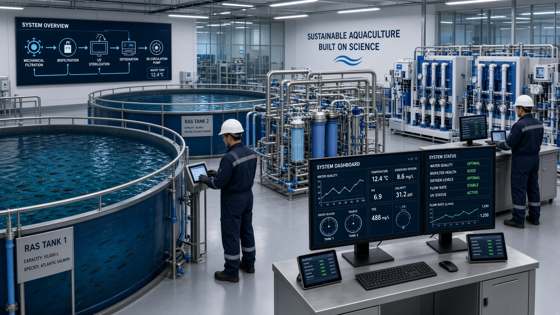
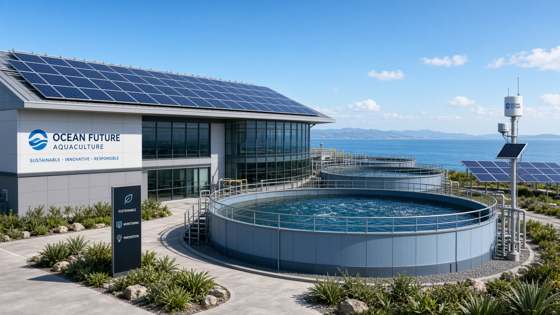
- Technology. Capital-heavy systems such as land-based tanks require large investment; see recirculating aquaculture systems.
Financing a fish farm: small farms and public support
Many small farms rely on grants, loans or programs for farmers and fishing communities, often run by government agencies. NOAA Fisheries describes U.S. programs and policy on its aquaculture page. These supports help local farms stay in business, which keeps local seafood available.
What shoppers can do
- Buy from farms that sell directly. Direct sales bring in cash earlier, which helps small farms; consider shares or pre-orders.
- Ask about the farm's story and how long it has been operating, and check species ratings at Seafood Watch.
- Favor certified producers if you want evidence of standards; see aquaculture certification programs.
- Be cautious about bargain-priced fish with no origin information, since low prices can reflect shortcuts.
What this means about price swings
Because production cycles are long, a supply shortage today may reflect decisions made a year ago. A disease outbreak, a bad season or a shortage of young stock can reduce harvests and push prices up. Buying frozen farmed fish, which can be stored, smooths out these swings. Check unit prices and compare alternatives such as other mild white fish.
A note on investment claims
Be careful with anyone promoting fish farm investments or "aquaculture opportunities." They are specialized and risky, and this site does not give financial advice. If you are interested as a consumer, supporting local farms by buying their products is a more direct way to help.
Financing a fish farm is rarely visible on a label, but it shapes supply, species and price. Choosing farmed seafood from transparent producers rewards farms that can build a long-term business.