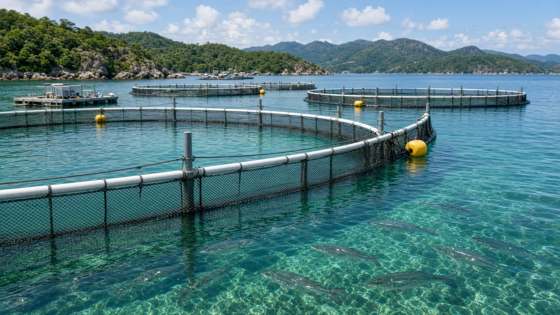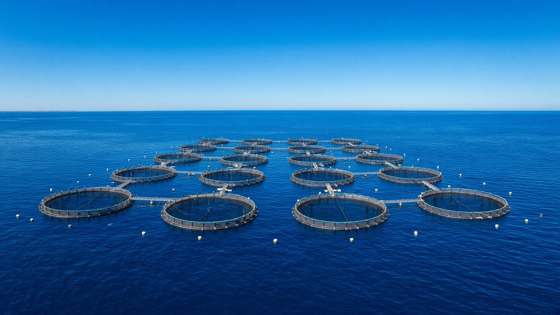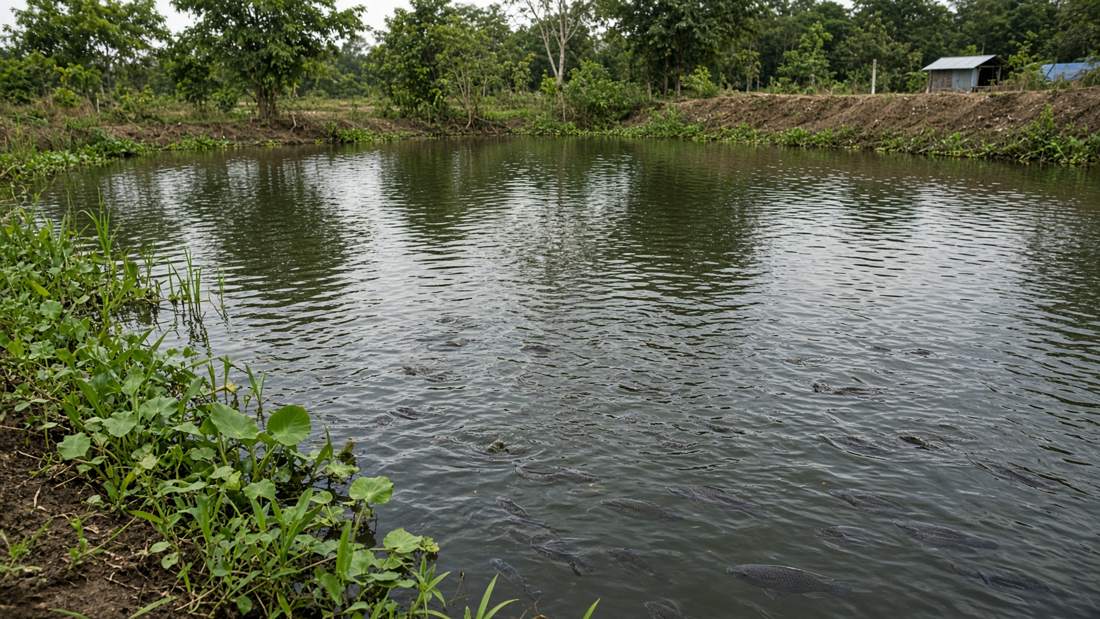
Aquaculture and local communities are closely linked: a fish farm is often one of the few year-round employers in a coastal or rural area, and it is also a neighbor that shares water, shoreline and views. For shoppers, understanding both sides makes it easier to buy farmed seafood that supports a place you care about.
What aquaculture and local communities gain from each other
- Jobs and income. Hatcheries, farms, processors, boatyards and suppliers can sustain rural and coastal jobs.
- Fresh, local supply. Oysters, trout, catfish and other species raised nearby reach you quickly and with traceable origin.
- Working waterfronts. Aquaculture can give fishing families an additional source of income when wild catches are limited or seasonal.
- Food resilience. A domestic supply lowers reliance on imports; see import versus domestic seafood markets.
What neighbors sometimes worry about
Communities raise reasonable concerns: noise, lights and boat traffic, changes to views and public access to water, water quality, and competition for space with other users such as anglers and boaters. Siting decisions are usually made through permit processes that include public comment. Where those processes are open and responsive, farms and neighbors tend to get along better. These themes link to the wider discussion in environmental impact of fish farms.
Aquaculture and local communities in practice: shellfish
Oyster, clam and mussel farms are common examples of small, community-based aquaculture, often run by families and sold through local markets and restaurants. Because shellfish filter water, they depend on clean water and are monitored by state agencies under programs coordinated through the Interstate Shellfish Sanitation Conference. Our guide to oyster farming explains how these farms operate.
How to buy local farmed seafood
- Visit farmers markets, fish markets and farm stands, and ask where each product was raised.
- Check for shellfish tags that show harvest location and date.
- Ask whether the farm sells direct, through a share or subscription, or by pickup; see community supported fisheries explained for a related model.
- Look for certification or state program membership that shows the farm is inspected.
- Compare prices per pound with supermarket options, since local does not always cost more, particularly for shellfish in season.
Questions to ask the farmer or seller
A short conversation tells you a lot. Farmers who sell directly are usually happy to explain their methods, and sellers who cannot answer basic questions about origin are a signal to buy elsewhere. If you cook the fish at home, ask for storage and cooking advice specific to that species, since a whole trout and a dozen oysters need very different handling.
- When was this harvested?
- What was it fed, if anything?
- Is the farm certified or state-inspected?
- How should I store and cook it?
For handling, the FDA guidance on selecting and serving seafood safely is a solid reference.
Supporting aquaculture and local communities can be as simple as asking one extra question at the market. When farms are well run and open with their neighbors, you get fresher seafood, traceable sourcing and a stronger local food economy.