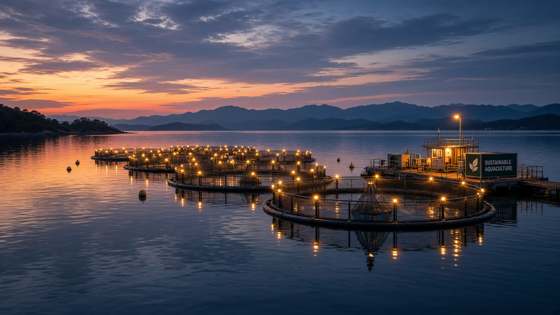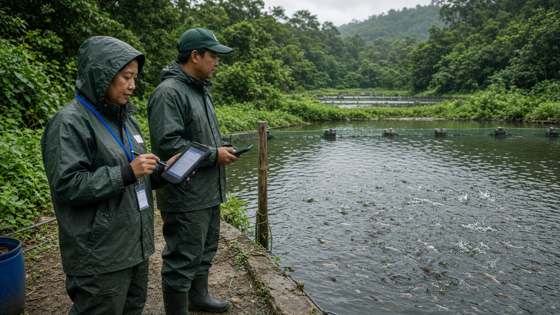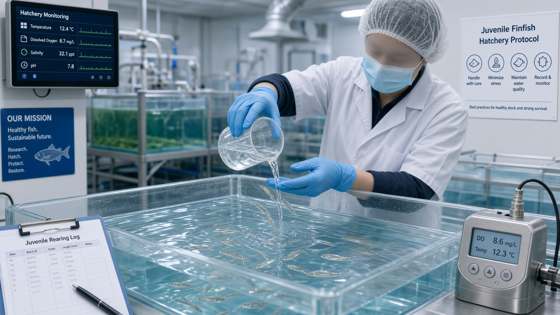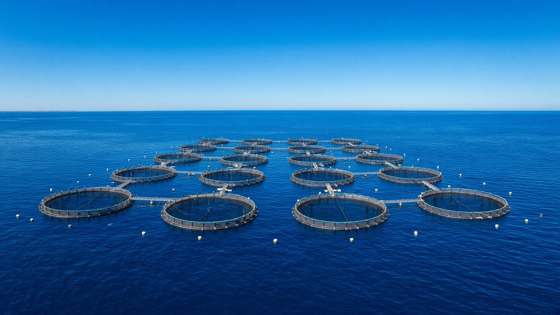
Renewable energy in aquaculture is an emerging topic for shoppers who want seafood with a smaller climate footprint. Fish farms use electricity and fuel for pumps, aeration, feeding, refrigeration and boats, and where that energy comes from changes the footprint of the fish on your plate.
Where farms use energy
- Pumps and aerators in ponds and tanks, which run constantly; see oxygen management in fish ponds.
- Heating and cooling in indoor systems.
- Feeders, boats and vehicles on open-water farms.
- Processing and refrigeration after harvest.
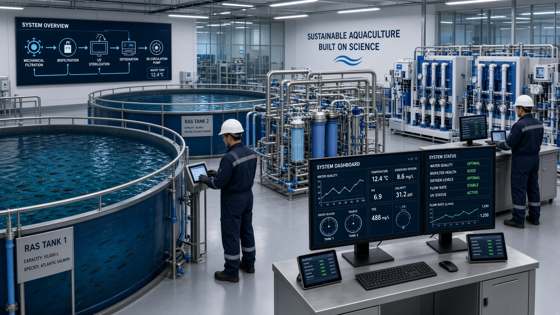
Energy needs differ widely. Land-based tank systems use the most electricity per pound, while shellfish and seaweed farms use very little because they need no feeding or pumping.
How renewable energy in aquaculture is used
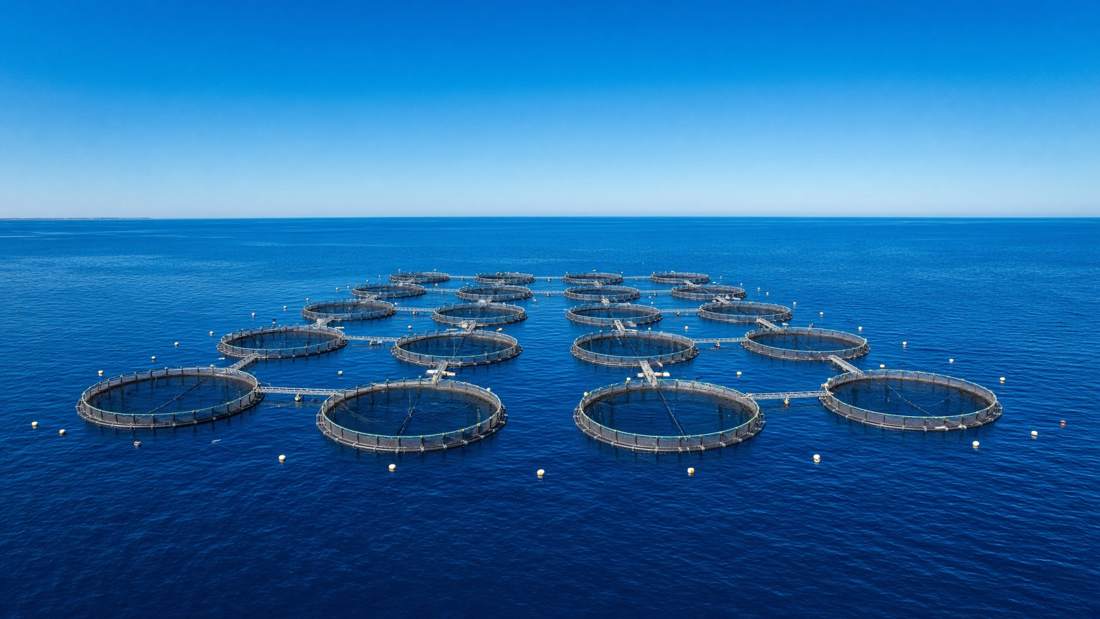
Solar panels over ponds or on tank buildings can power pumps and aerators during the day, and some farms use batteries to cover the night. Wind turbines suit exposed coastal sites. Offshore farms may use small solar and wind systems to power feeders and monitoring gear, reducing diesel generators. Some indoor farms buy renewable electricity from the grid. Systems that combine fish with plants or recapture heat can reduce waste, as in aquaponics.
What renewable energy in aquaculture means for shoppers
Cleaner power can lower the carbon footprint of farmed seafood, which is useful if you factor climate into your choices. It may also help stabilize costs for farms, especially in remote locations. But energy is only one piece. Feed is often the largest source of emissions for fed fish, so a farm powered by solar may still have a significant footprint through its feed. The broader picture appears in environmental impact of fish farms and in our guide to seafood carbon footprint comparisons.
Low-carbon choices at the counter
- Choose farmed oysters, mussels and clams, which are among the lowest-footprint animal proteins.
- Pick species that need little energy and feed, such as many pond-raised fish.
- Prefer frozen over air-freighted fresh when the species comes from far away.
- Ask land-based farms whether they use renewable power and look for specifics, not slogans.
- Check ratings at Seafood Watch and the ASC for farm standards, remembering that not every label addresses energy.
Why shellfish and seaweed stand out
Oysters, mussels and clams feed on natural algae and seaweed absorbs nutrients from the water, so neither needs feed, pumps or heating. That is why they usually appear near the top of low-carbon food lists, and why they are an easy way to cut the footprint of a seafood meal without changing farms or technology.
Does it change the taste or price?
Energy source does not change flavor. Price effects are modest and vary by location, but renewable systems can lower running costs for farms over time. For general background, FAO fisheries and aquaculture publishes global information on the sector.
Beware of vague claims
Words such as "green" or "clean energy" mean little without details. Ask what share of the farm's power is renewable and what feed it uses.
Renewable energy in aquaculture is a worthwhile step toward lower-impact seafood. For most shoppers, though, the easiest wins are species choice, feed and origin, with energy source as a bonus.