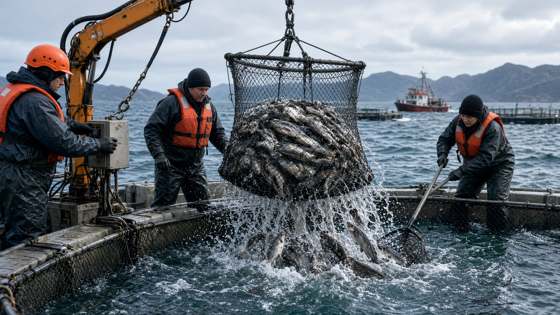
Oxygen management in fish ponds is one of the main jobs on a catfish or tilapia farm, and it is a big reason pond-raised fish can be so consistent when handled well. Fish take oxygen from the water through their gills, and ponds can run short, especially on warm, still nights. Understanding this helps you see why the fish in your freezer aisle is usually affordable and what to ask about it.
Why oxygen management in fish ponds is needed
A pond is a living system. Algae produce oxygen in sunlight but use it at night, and fish, bacteria and decaying feed all consume it. Warm water also holds less dissolved oxygen than cool water. The result is that oxygen is typically lowest just before dawn in summer, when fish are crowded and well fed. If it drops too far, fish stop eating, grow slowly and can die in large numbers.
How farmers manage oxygen in ponds
Because the stakes are high, commercial ponds use several tools:
- Paddlewheel aerators that churn the surface and mix air into the water.
- Diffused air systems that release bubbles from the bottom.
- Oxygen meters and alarms, often checked through the night.
- Controlled feeding, since uneaten feed uses up oxygen as it rots.
- Stocking at densities the aeration can support.
This management is why modern pond aquaculture can raise fish at high density with reliable results. Aeration uses electricity, which is part of the cost behind the price you pay. The same principles apply in U.S. catfish farming, where pond oxygen is a daily concern.
What oxygen management in fish ponds means for the fillet
Fish that grow steadily without stress tend to have mild flavor and even texture. Repeated low-oxygen episodes slow growth and can leave fish with variable quality. Oxygen management in fish ponds also supports a cleaner taste because well-aerated water discourages the bacteria that cause earthy, muddy flavors. Farms commonly hold fish in clean water before harvest for the same reason.
Shopping tips for pond-raised fish
- Choose fillets that look moist, pale pink to white for catfish and tilapia, without browning or dry edges.
- Smell should be mild and clean. A strong muddy odor suggests off-flavor.
- Check the origin. Country-of-origin labeling is required for many fish and shellfish at retail in the United States; the USDA country of origin labeling page explains the rules.
- Frozen fish is often an excellent choice, since it is typically frozen soon after harvest.
Is pond-raised fish a good choice?
For most shoppers, yes. Farmed catfish and tilapia are mild, affordable and widely available. Sustainability depends on location, feed and pond practices, so check ratings from Seafood Watch for the species and country you are buying. If you see certification logos, that adds another layer of checking on water use and effluent.
Cooking notes
Mild farmed fish takes seasoning well. Cornmeal-crusted catfish, blackened tilapia and baked fillets with lemon all work. Cook until the flesh is opaque and flakes easily, at an internal temperature of 145 F (63 C).
Next time you see a bargain bag of fillets, remember the aerators humming through the night: good oxygen management in fish ponds is part of what keeps quality steady and prices friendly.