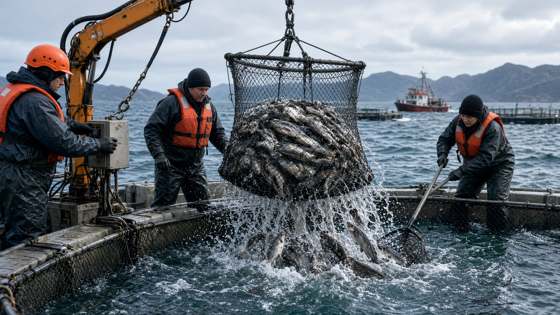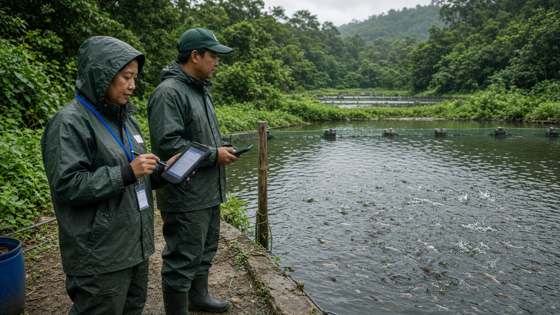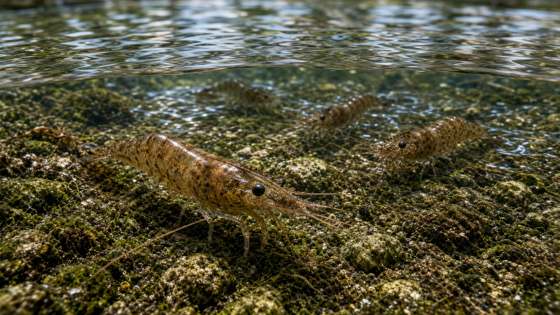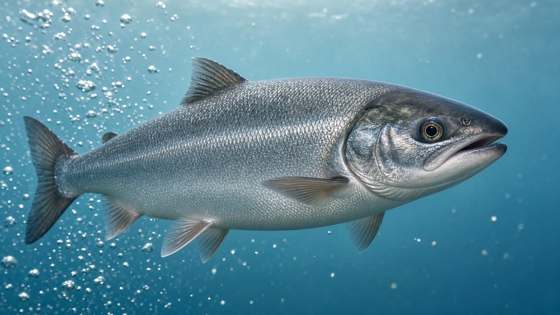
Catfish farming in the U.S. is one of the country's oldest and largest aquaculture industries, centered in the South, with Mississippi, Alabama and Arkansas among the main producing states. If you buy domestic catfish, you are buying a pond-raised fish that is mild, firm and affordable. Here is what to know about how it is raised and how to buy it.
Catfish farming in the U.S.: how it works
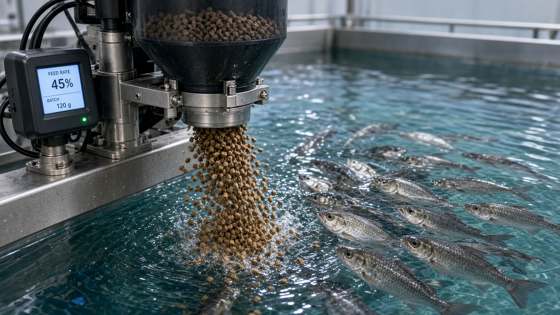
Channel catfish are grown in shallow earthen ponds, stocked as small fingerlings and fed floating pellets until they reach market size. Farmers use aerators to keep oxygen levels up. Because the ponds are fresh water and the fish eat mostly grain-based feed, the fish are mild flavored. Our guide to pond aquaculture covers how ponds influence flavor and quality.
Taste and texture
Good farm-raised catfish tastes clean and slightly sweet with a firm, moist flesh. Occasionally a batch can carry an earthy or muddy flavor from natural compounds in pond water. Reputable producers sample fish for flavor before harvest. If you taste mud, it is a quality issue worth reporting. A soak in milk or buttermilk is a traditional way to mellow strong flavor, and cornmeal-crusted frying remains the classic preparation. Try our catfish nuggets recipe.
Catfish labeling: catfish vs basa and swai
What the name catfish farming in the U.S. covers
Under federal labeling rules, the market name "catfish" is reserved for fish of the family Ictaluridae (check current FDA and USDA rules). Imported fish such as basa, swai or tra from Southeast Asia are different species and are listed under their own names. Both are farmed, but they differ in flavor and often in price.
Inspection and origin
USDA's Food Safety and Inspection Service inspects catfish and other Siluriformes fish, including imported basa and swai, while most other seafood is overseen by the FDA. Retail sellers are generally exempt from that inspection; check current rules if you need details. Country of origin must appear on the label; our article on country of origin labeling explains what you will see.
How to buy and cook it
- Look for fillets that are pale pink to white, moist and without dark brown edges. The red or darker strip along the center is normal and can be trimmed for a milder taste.
- Nuggets and whole fish are often cheaper than fillets.
- Frozen domestic catfish is widely available and a good value; thaw in the refrigerator.
- Cook to 145 F, until the flesh is opaque and flakes easily.
Is it a sustainable choice?
Pond-raised US catfish is often rated well, but ratings change, so check Seafood Watch for the current assessment. Buying domestic also supports American farms. For general eating guidance, the FDA's fish advice lists catfish among the lower-mercury fish.
Cooking and storing catfish
Cornmeal-crusted fried catfish is the classic, but the fish also works baked, blackened or grilled. For frying, season a cornmeal and flour mix with salt, pepper, paprika and garlic, dip the fillets in buttermilk or beaten egg, coat them, and fry in oil heated to about 350 F until golden and the fish flakes. Baked fillets take about 15 minutes at 400 F, depending on thickness. Blackened catfish needs a hot cast-iron pan and a good spice rub.
Keep raw catfish cold and use it within a day or two, or freeze it. Cooked leftovers should be refrigerated promptly and eaten within a few days. Frozen fillets that are individually wrapped let you cook only what you need.
Is it a good value?
Domestic catfish is usually priced between tilapia and more expensive white fish. Whole fish and nuggets cost less per pound than boneless fillets. Imported fish sold under other names may cost less still, so compare labels carefully, since the flavor and texture are not the same.
If you want a mild, affordable fish with a clear origin, catfish farming in the U.S. delivers one, and the best way to buy it is to check the label for the species name, state of origin and a firm, fresh look.