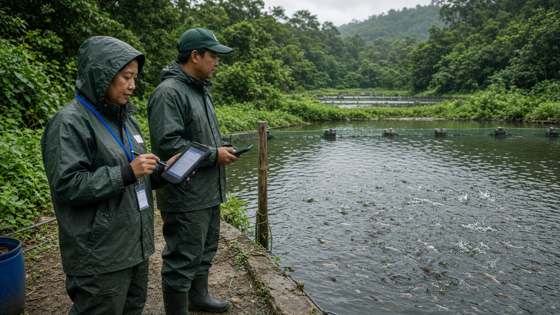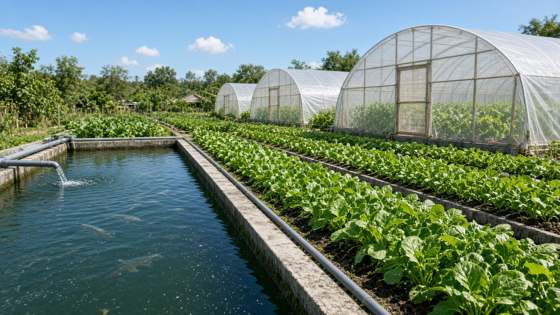
If a package of salmon, barramundi or trout says it was raised in a recirculating aquaculture system, it came from RAS fish farming, meaning a tank on land, not from an ocean pen or an open pond. RAS fish farming is essentially a giant, carefully filtered aquarium: water is cleaned and sent back through the tanks again and again, with only a small share replaced at a time. For shoppers, the practical questions are simple. Does it taste different, does it cost more, and is it a better choice?
How RAS fish farming works, in plain terms
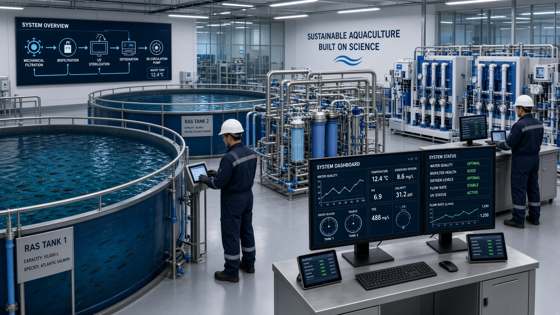
Fish produce waste, mainly ammonia, which is toxic in the water. A RAS tackles that with a series of steps:
- Solids such as uneaten feed and waste are filtered out mechanically.
- Beneficial bacteria in a biofilter convert ammonia into less harmful compounds.
- Oxygen is added and carbon dioxide is removed.
- Water is often treated, for example with ultraviolet light, and sent back to the tanks.
Because the water is controlled, operators can keep temperature, oxygen and cleanliness steady, and they can place farms near cities instead of near coastlines.
What it means for taste and quality
Consistency is the big advantage. Fish raised in clean, steady conditions are generally uniform in size and texture, and they can reach stores quickly, sometimes within a day or two of harvest, which helps freshness.
There is one known quirk. In water that is reused, natural compounds such as geosmin can build up and give fish an earthy or muddy taste. Good producers deal with this by holding fish in clean water for a period before harvest, often called purging. If you ever buy a RAS fish that tastes muddy, tell the store; it is not normal for a well-run farm.
Price: why it can cost more
Pumps, filters, oxygen systems and backup power are expensive to build and run. These farms also need a lot of electricity. That cost often shows up as a higher price per pound than ocean-pen fish, although the gap varies by species and market. You are partly paying for fresh, local supply and lower transport.
Is RAS a more sustainable choice?
The environmental case for land-based systems
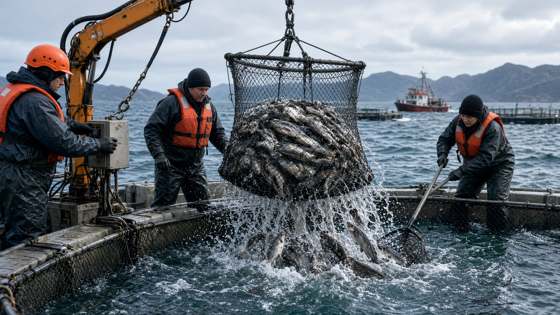
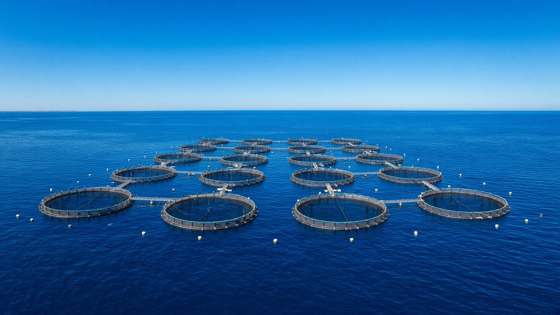
Because the fish are in closed tanks, there is no direct risk of escapes into the ocean, and waste can be captured and treated rather than released. Sea lice, a common concern in open pens, are not a problem in an enclosed freshwater or controlled system. Our look at net pen farming pros and cons covers the other side.
The trade-offs of RAS fish farming
RAS uses significant energy, and its footprint depends on where that power comes from. Feed still matters too, since the fish eat the same kind of pellets as other farmed fish. Ratings differ by farm and species, so check Seafood Watch for the specific product instead of assuming indoor means green.
How to shop for RAS-raised fish
- Look for phrases such as "land-raised," "raised indoors" or "recirculating" on the label or brand site.
- Check for a third-party certification. The Aquaculture Stewardship Council and similar programs audit farms, though not every RAS farm is certified. Our certification guide explains what each covers.
- Ask where it was farmed and when it was harvested.
- Do not pay extra for vague marketing words such as "natural" or "pure" with no details behind them.
Our aquaculture basics page gives the wider context if you are comparing methods.
RAS fish farming will not suit every budget, but if you want fresh, traceable fish raised close to home, it is a method worth trying, as long as you check the label for details and the price makes sense to you.