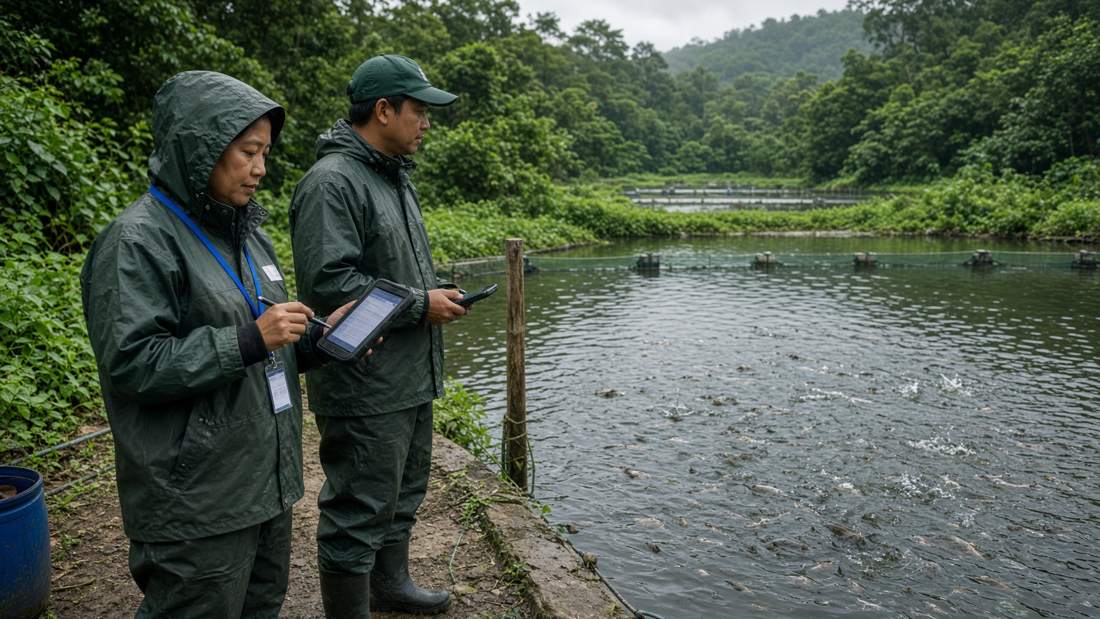
Aquaculture basics come down to one idea: fish, shellfish and seaweed are raised under some level of human care instead of being caught in the open ocean. If you have bought salmon, shrimp, tilapia, catfish, mussels or oysters at a supermarket, there is a good chance you have already eaten aquaculture products. According to the FAO's aquaculture pages, farming now supplies a very large share of the seafood eaten around the world, so it is worth understanding what is behind the label.
What aquaculture actually is
Think of it as the water version of agriculture. Young animals, often called seed or fingerlings, are placed in ponds, tanks, ocean pens or on lines and racks. Depending on the species they are fed, or in the case of mussels, oysters and seaweed they simply filter nutrients and plankton from the water around them. When they reach market size they are harvested and sent to processors or stores.
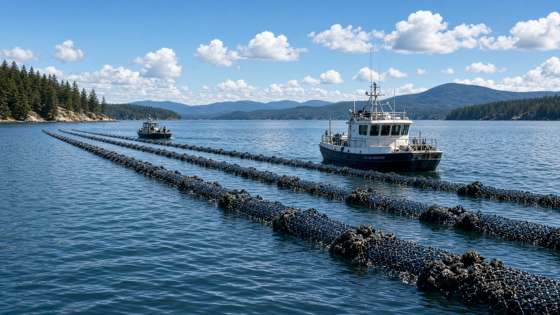
Farms are not all alike. A freshwater pond of catfish, a tank system on land raising barramundi, a net pen of salmon in a cold fjord and a rope of mussels hanging in a bay are very different operations with different effects on flavor, price and the environment. That is why a single verdict of "farmed is good" or "farmed is bad" does not hold up.
Aquaculture basics: the main ways seafood is farmed
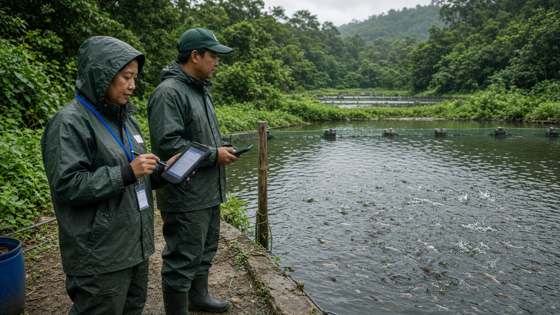
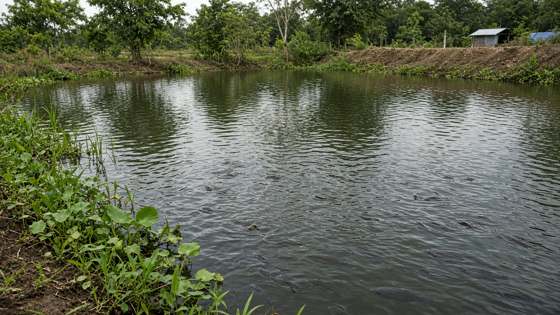
- Ponds: common for shrimp, catfish and tilapia. Quality depends heavily on water management and the region.
- Net pens or cages: floating enclosures in the sea or lakes, widely used for salmon. See our look at net pen farming pros and cons.
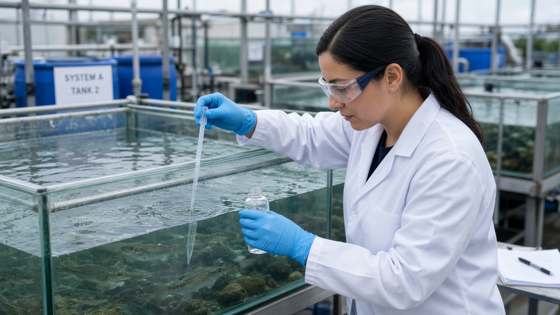
- Land-based tanks: recirculating systems that filter and reuse water, covered in our RAS guide.
- Raceways: flowing channels, traditionally used for trout.
- Lines, racks and bottom plots: used for shellfish and seaweed, which need no feed.
What it means on your plate
Taste and texture. Farmed fish tend to be consistent in size, fat content and flavor because their diet and environment are controlled. Farmed salmon, for example, is usually richer and fattier than many wild salmon. Shellfish taste like the water they grow in, so oysters and mussels from different bays can differ noticeably.
Price. Because supply is steady year round, farmed species are often cheaper and their prices swing less with seasons and weather. Shrimp, salmon and tilapia are everyday proteins largely because of farming.
Safety. Farmed and wild seafood in the United States and many other countries fall under the same food safety rules, including FDA seafood HACCP requirements for processors, described on the FDA seafood HACCP page. Imported products can vary more, so country of origin and certifications matter. Our guide to country of origin labeling explains what is on the package.
Sustainability. This is the part where species and method matter most. Farmed mussels and oysters are generally regarded as low-impact because they feed on what is already in the water. Open-water pens and shrimp ponds can raise concerns about waste, escapes, disease and habitat if they are poorly managed. Programs like Seafood Watch rate farmed species and farming methods so you do not have to research each one.
How to shop with that knowledge
- Check the label. In the US, retail seafood must show whether it is wild-caught or farm-raised, along with the country of origin.
- Look for third-party certification. The Aquaculture Stewardship Council (ASC) and Best Aquaculture Practices (BAP) are two common farming standards. Our article on aquaculture certification programs compares what they cover.
- Look up the species and origin. A rating for farmed shrimp from one country can differ from another because practices differ.
- Do not judge by color alone. Farmed salmon flesh is pink because of carotenoid pigments in feed, and wild salmon get theirs from natural prey. Color alone says little about quality.
- Ask the counter. Where was it raised, and is it certified? A good fishmonger should know.
Common questions
Is farmed seafood as healthy as wild? Aquaculture basics
Both provide protein and, in most cases, useful omega-3 fats. The FDA and EPA advice on eating fish treats farmed and wild fish together and focuses on mercury levels by species, not on how the fish was raised. Eating two to three servings of a variety of lower-mercury fish each week is the general recommendation, so check the current guidance for your situation.
Why is some farmed fish so much cheaper?
Controlled production, predictable harvests and scale. Cheap is not automatically poor quality, but it is worth checking certification and origin on the lowest-priced items.
A little label reading goes a long way: once you know the basics of aquaculture, you can pick farmed seafood that fits your budget, taste and values, and skip the products that cannot tell you where they came from.