Aquaculture certification programs put logos on farmed fish and shrimp packages, and the most common question shoppers have is whether those logos mean anything. They do, within limits: each program sets standards for farms, sends independent auditors, and allows certified products to carry a label. What they cover differs, so it helps to know the main ones.
The labels you are most likely to see
- Aquaculture Stewardship Council (ASC). A standards program for responsibly farmed seafood, with requirements that address environmental and social impacts. See the ASC site for species standards.
- Best Aquaculture Practices (BAP). A program that certifies farms, hatcheries, feed mills and processing plants, often shown with star ratings reflecting how many parts of the chain are certified. See BAP.
- Organic labels. Rules for organic farmed seafood vary by country, and in the United States there is no federal organic standard for farmed fish in the way there is for farmed crops and livestock, so be careful with claims. Check current rules.
- Retailer and supplier labels. Some stores have their own sourcing standards. Read what they cover.
The Marine Stewardship Council label, at msc.org, covers wild fisheries rather than farms, so you will see it on wild-caught fish.
What aquaculture certification programs check
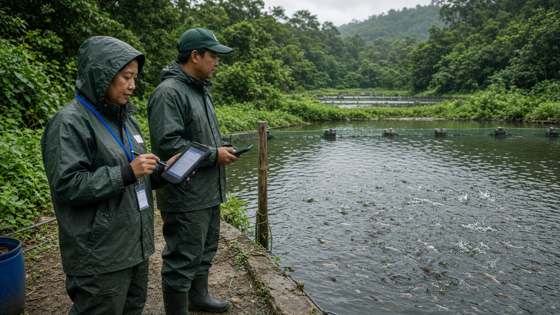
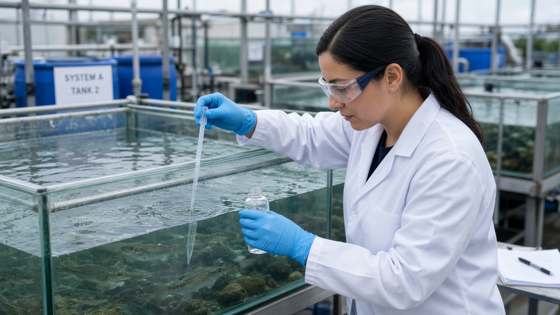
Standards usually address water quality and discharge, use of medicines and chemicals, feed sourcing, escapes, treatment of workers and traceability. Independent auditors visit farms and publish reports. If a farm fails, it can lose its certificate.
What aquaculture certification programs do not guarantee
- A label does not mean perfect or zero impact; it means standards were met.
- Different programs have different strictness, and requirements change over time.
- Certification does not tell you about taste, freshness or how the fish was handled after leaving the farm.
- Some farms are good but not certified, because certification costs money.
How to use labels when you shop
- Look for a logo, then check the product for farm or country of origin.
- Use Seafood Watch alongside labels. It rates species and farming methods independently and can show when an option is better or worse.
- Use the FishWatch profiles to learn what is typical for each species.
- Be skeptical of vague words such as "natural," "eco-friendly" or "responsibly raised" with no standard behind them. Our guide to greenwashing in seafood marketing covers these claims.
Do certified products cost more?
Sometimes slightly, because farms pay for audits and may use higher standards. Many certified products sit alongside non-certified ones at similar prices, especially in the frozen aisle. See certified sustainable seafood and price premiums for the pricing side. Value-minded shoppers can compare per-pound prices and pick certified options when the difference is small.
Where certification fits in the bigger picture
Labels are a shortcut, not a verdict. A certified salmon from a well-run farm may still carry trade-offs in feed or site location, which are discussed in environmental impact of fish farms. For a broad comparison across wild and farmed labels, read sustainable fishing certifications compared.
Aquaculture certification programs are most helpful when you treat them as one clue among several: a logo, a named origin and an independent rating together give you a much better picture than any single label.