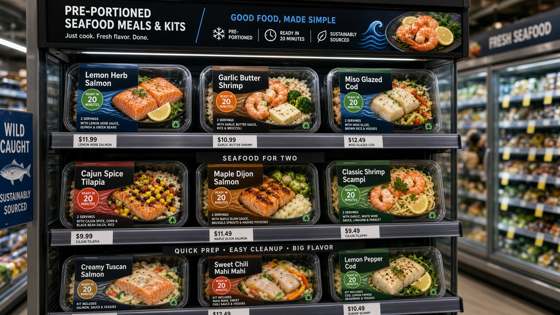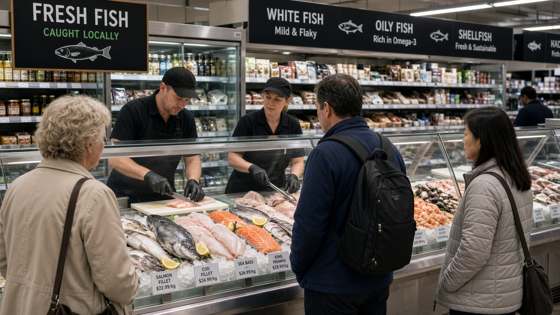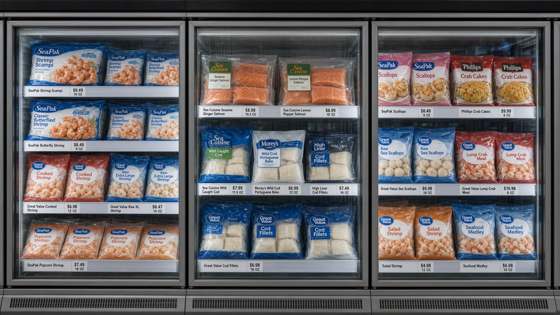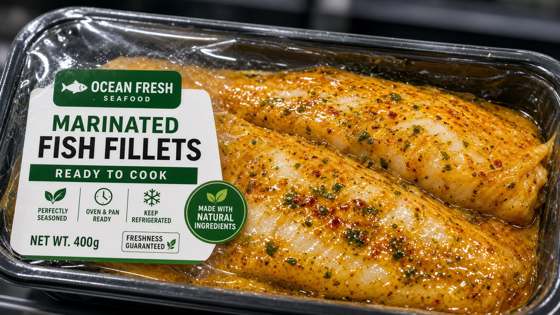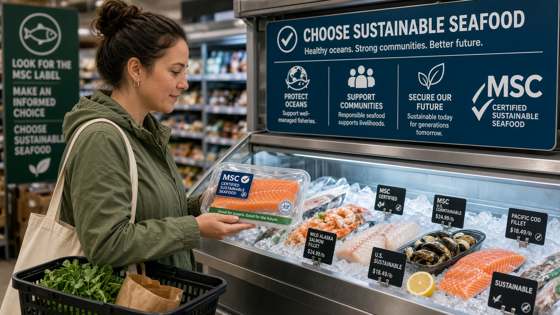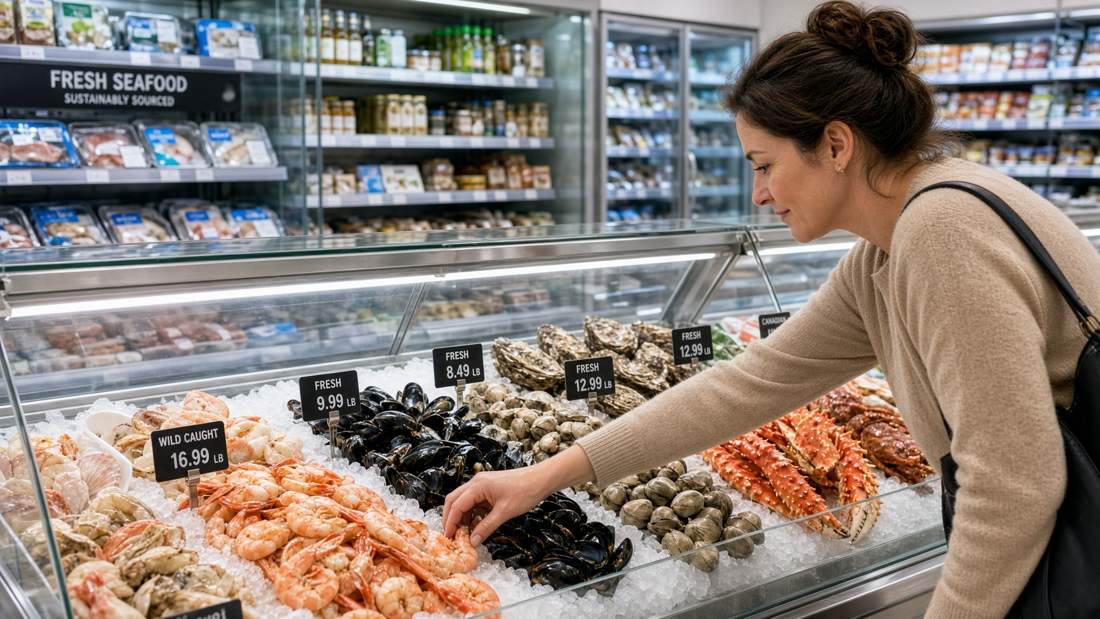
Certified sustainable seafood sometimes costs more at the counter, but the label is rarely the main reason. Price depends far more on the species, the season, the form (whole, fillet, frozen) and where you shop, so the first step is to compare like with like.
Why certified sustainable seafood can cost more
Certification involves audits and traceability from boat or farm to shelf, and sellers may pass some of that cost on. Certified products can also be sold as premium items. But many certified products are sold in large volumes, and some are priced the same as uncertified equivalents. A shopper cannot assume that the label alone explains the price.
Certified sustainable seafood: other things that move the price
- Species: salmon, scallops and lobster cost more than pollock or canned tuna regardless of labels.
- Season: fresh wild fish is cheaper when it is abundant. See seasonal pricing fluctuations.
- Form: frozen, tinned and bulk packs usually cost less per serving.
- Retailer: a store brand can carry the same certification as a name brand at a lower price.
When a certification label is worth paying for
If you buy a species with a mixed sustainability record, such as some tuna or cod stocks, a label from the Marine Stewardship Council or Aquaculture Stewardship Council gives you a quick, independent signal. If you buy fish that is already well rated for most sources, the label matters less. You can look up almost any species on Seafood Watch to see its recommendation.
Find affordable certified and well-rated fish
- Choose store-brand frozen fillets that carry a certification mark.
- Look at canned and pouched fish, which often carry labels at modest prices.
- Buy abundant species like pollock and many types of Pacific salmon.
- Buy larger frozen bags and portion them yourself.
Our guide to sustainable seafood on a budget has more ideas.
Check what the label does not tell you
A certification covers a particular fishery or farm and its supply chain; it does not promise a fish is tastier or fresher. Check that the product itself carries the mark, not just the shelf sign. For how different marks compare, read sustainability ratings explained.
Store brands and tins often win
Retailers frequently put certified fish into their own frozen and canned lines. Because these skip brand advertising, the unit price can be lower than a name brand carrying the same label. Compare the price per pound or per ounce, and check the fish content: some canned products list how much fish is in the tin versus liquid, which changes the real cost per serving.
A simple decision rule
Decide how much a label matters, set a price gap you will accept, then compare. If the certified product is within a small amount of the alternative, buy it. If it costs a lot more, check the species' rating and consider a different fish. The value is in the fish and how it was caught or farmed, not in the logo.
Certified sustainable seafood is worth a modest premium for the species where the label adds real information, and not worth a large one when a well-rated alternative costs less.