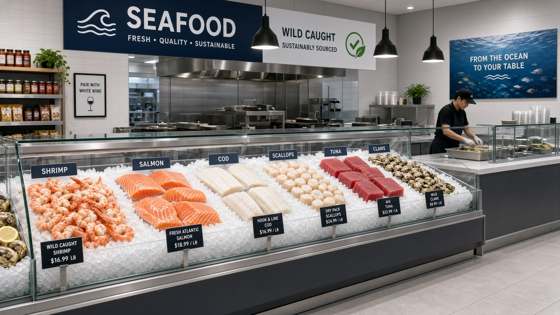
Sustainable seafood on a budget is easier than most shoppers expect, because some of the best-managed and lowest-impact choices are also among the cheapest: canned sardines, farmed mussels, frozen pollock and seasonal local catch. The trick is to shop by species and format rather than by prestige.
Where the value is
Canned and pouched fish
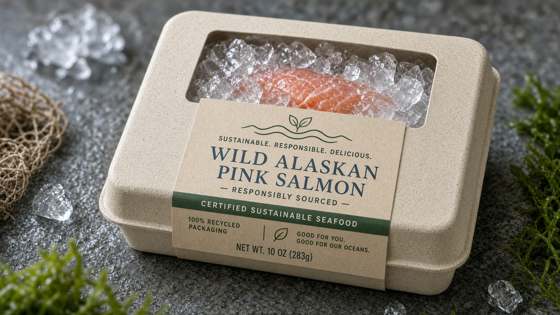
Canned sardines, salmon and mackerel are shelf-stable, often inexpensive and rich in omega-3 fats. Ratings vary by species and fishery, so check Seafood Watch for the current guidance, and look for the MSC label as a sign that a wild fishery has been independently certified. Canned fish also avoids spoilage waste.
Frozen fillets
Frozen fish is often processed soon after catch and costs less than fresh. Alaska pollock, widely sold in frozen fillets and fish sticks, is the subject of several MSC-certified fisheries, but check the pack for the label rather than assuming. Individually frozen fillets let you cook one portion at a time, which cuts waste; see fresh vs frozen nutrition and taste.
Mussels, clams and oysters
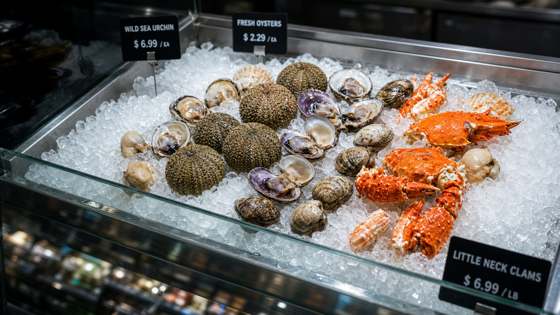
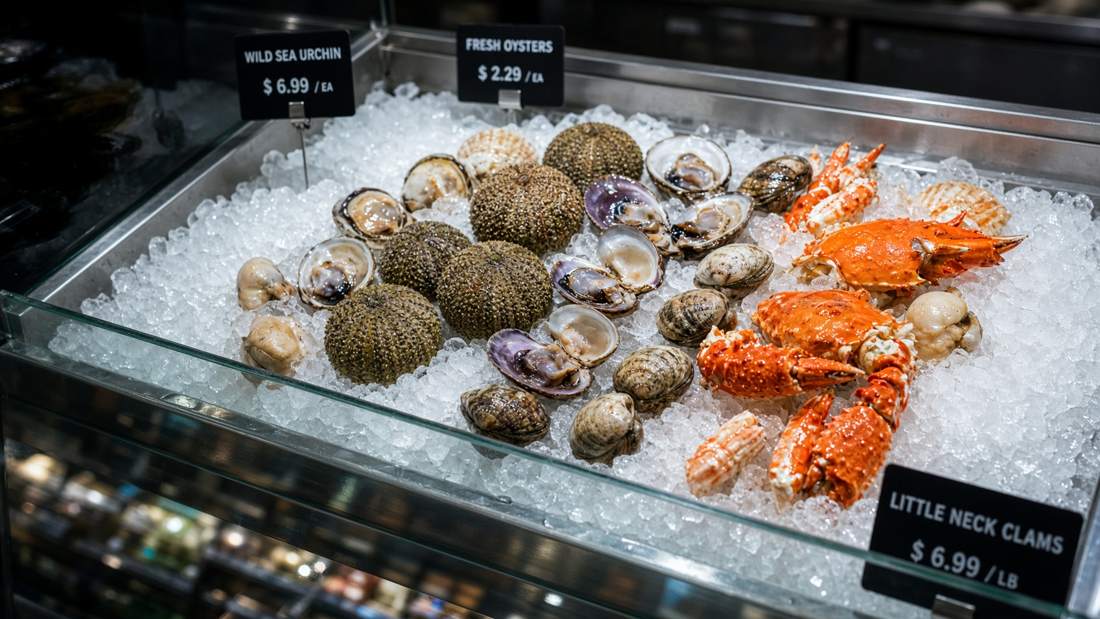
Farmed bivalves need no feed and are usually modestly priced per meal. Buy them live from a reputable seller and cook them within a day or two. See shellfish storage for how to keep them.
Habits that keep sustainable seafood on a budget
- Buy in season. Peak-season fish is plentiful and often cheaper; our guide to seasonal migration helps you time purchases.
- Buy whole fish occasionally and ask the counter to fillet it, then use the frame for stock.
- Choose less familiar species. Local catches that are not in high demand are often cheaper and sometimes better managed.
- Plan meals so nothing is thrown away. Wasted fish is wasted money.
- Compare prices per edible portion, not per package, since shell-on and bone-in weights include parts you will not eat.
What to be careful about
Very low prices on some imported shrimp or fillets are a reason to ask where they came from and how they were produced. Look for species names and origin on the label, and consult the FDA advice about eating fish to pick lower-mercury options, which are also frequently the cheaper ones, such as shrimp, salmon, pollock and canned light tuna in modest amounts. Tuna ratings vary by method and species, so check before buying.
Is sustainable seafood on a budget lower quality?
No. Frozen-at-sea fillets, canned sardines and farmed mussels can be excellent. Quality depends on freshness, handling and your cooking more than on price. For a longer shopping framework, see choosing sustainable seafood.
Which cuts and forms stretch a budget furthest?
Think about yield. A whole fish costs less per pound but you lose weight to head, bones and skin, so a pound of fillet is not the same as a pound of whole fish. Frozen portions with no added glaze or brine give the most edible fish per dollar, and the label should list net weight, which can differ from the glazed weight on some packs. Canned fish is almost all edible, bones included in some products, which are soft and a good source of calcium.
Shrimp, mussels and clams stretch a recipe: a small amount flavors pasta, rice, soup or stew for a family. Fish cakes and chowders use cooked leftovers well, and cheaper fish such as pollock, hake or whiting works in tacos, curries and baked dishes where the sauce does much of the flavoring.
Check store brand frozen lines too, since they often carry certification labels at lower prices than name brands. Watch for sales on frozen bags and stock up within the freezer's capacity, labeling each bag with the date.
A simple weekly plan
Try one meal of mussels or clams, one of frozen white fish, one of canned fish on toast or in pasta, and use the leftovers for chowder. Sustainable seafood on a budget is mostly a matter of shopping flexibly and wasting less.