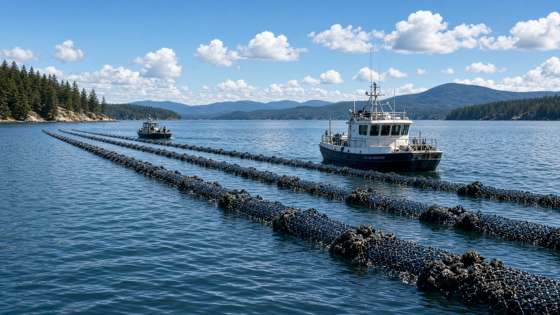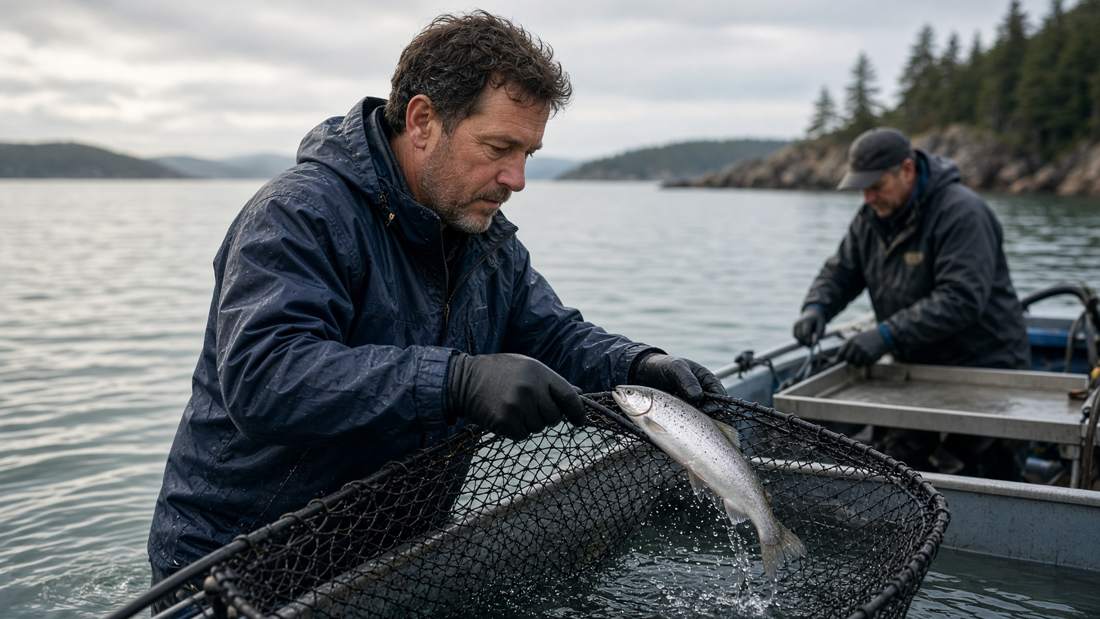
Food miles in seafood describe how far a fish travels from the water to your plate, and the idea is simple: shorter trips sound better. In reality, the way the fish travels and how it was caught often matter more than the distance itself, which is why local is not always lower-impact.
Why food miles in seafood are a poor shortcut
Transport usually makes up a modest share of the climate impact of food, and for fish it is often smaller than the impact of fishing or farming itself. A frozen fillet moved by ship in bulk can use less energy per pound over thousands of miles than a small shipment moved by truck. Mode of transport is the key variable, and our seafood carbon footprint comparisons explain the details.
The big exception: air freight
Air freight produces far more emissions per pound than sea or road transport. Fresh fish flown in from overseas, which is common for premium, short-shelf-life products, carries a much heavier footprint. If a label or seller says "fresh, flown in," that is the case where distance really matters.
What local does well
- Fresher fish, since there are fewer handling steps and less time in transit.
- Easier questions, because the seller may know the boat or the harbor.
- Support for nearby fishing businesses, see the economics of local seafood.
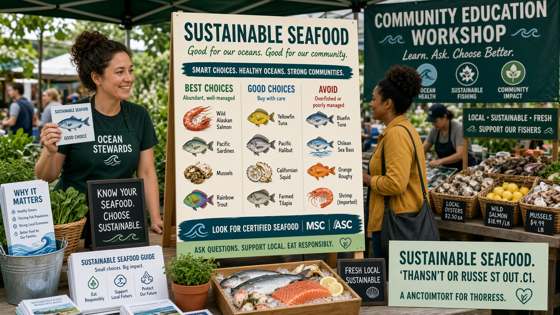
Local does not automatically mean sustainable. A nearby fishery can still be overfished or use damaging gear. Always combine proximity with a stock and gear check on FishWatch or Seafood Watch.
Imports are not automatically worse
Much of the seafood eaten in the United States is imported, and plenty of it is well-managed and efficiently shipped. NOAA tracks trade at its seafood import monitoring page. A wild fish frozen at sea and shipped by container can have a lighter transport footprint than a fresh fish trucked a few hundred miles in a small load, though results vary by case.
Rules of thumb for judging food miles in seafood
- Ask whether the fish was flown or shipped. Air freight is the one to question.
- Consider frozen products. Fish frozen soon after catch can be as good as fresh and travel lighter. See fresh versus frozen.
- Choose in-season, regional species when they are available and well-rated.
- Do not trade a good rating for a short trip. A well-managed imported fish can beat a poorly managed local one.
Cold storage matters as well. Frozen fish held at steady low temperature keeps well during long journeys, while fresh fish has a short shelf life and often needs the faster, costlier transport that raises its footprint. That trade-off is one reason a thoughtful frozen purchase can be a quiet win for both quality and the climate.
The best way to think about food miles in seafood is as one input among several. Distance, method of travel, how the fish was caught, and freshness all play a part, and the shopper who weighs them together will usually make a better choice than one who counts miles alone.