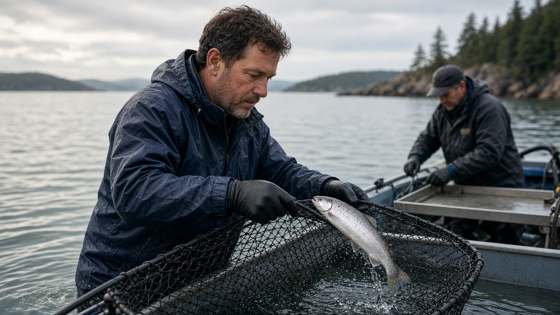
Live seafood export means catching lobsters, crabs, shellfish or finfish and shipping them alive, usually by air or refrigerated truck, to markets that pay a premium for animals killed just before eating. It is a large and valuable trade, and it raises fair questions about stress, mortality, carbon cost and whether the extra price is justified for the shopper.
How live seafood export works
Animals are held in tanks or damp packing at carefully chilled temperatures that keep them calm and slow their metabolism. They are then packed with moisture and cooling and flown or trucked to a destination, where they are re-tanked or sold directly. The process depends on speed, because losses rise with delays, warm conditions and rough handling. Details vary by species, so there is no single standard, and transport rules differ between countries.
The ethical questions behind live seafood export
Welfare in transit
Transport can mean confinement, temperature changes and handling stress. Welfare researchers generally agree that shorter journeys, stable temperatures, careful packing and minimal handling are better. For crustaceans, which some governments now treat as sentient, these concerns are taken more seriously than they once were. See our article on the ethical slaughter of crustaceans.
Climate and cost
Air freight carries a higher carbon footprint per kilogram than sea freight, although the exact difference depends on the route and load. The cost of keeping animals alive also adds to the shelf price. Our piece on food miles in seafood explains why distance is only part of the picture.
Sustainability and local supply
Strong overseas demand can encourage fishing pressure, or it can support a well-managed fishery with high prices. The answer depends on the stock, which is why checking Seafood Watch or FishWatch for the species is useful. Strong export demand can also raise prices for local shoppers.
What shoppers can do
- Ask when the animals arrived and how long they have been in the tank.
- Choose lively animals from clean, cold tanks, and avoid crowded or cloudy ones.
- Consider frozen or cooked-and-chilled products if you cannot cook within a day.
- Look for local or regional catch where available, since shorter supply chains mean less transport stress.
For storage after purchase, read live lobster and crab care. Frozen seafood can be very high quality and avoids the transport risk entirely, as described in fresh vs frozen nutrition and taste.
Is live seafood export always better than frozen?
Not necessarily. Live shellfish are prized because they can be cooked within minutes of leaving the tank, but fish that is frozen at sea or soon after landing can taste better than live animals that have been held for days. Live suits lobster, crab and some clams and oysters; for many finfish, a well-handled frozen fillet is a safer bet.
Weighing up your own choice
No shopper can verify every step of a live shipment, but asking sensible questions pushes sellers toward better practice. If live seafood export fits your budget and values, buy from a counter that can describe its supply chain. If it does not, a good frozen product is a defensible and often cheaper alternative.