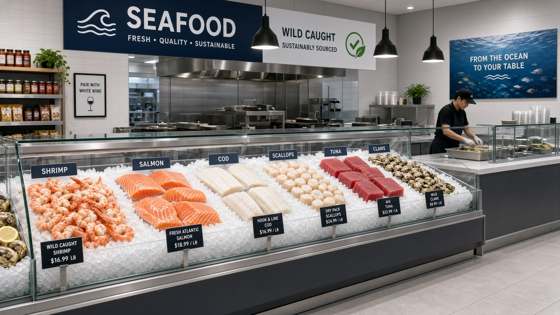
How restaurants source sustainably is something diners can usually test with a few simple questions, because a kitchen that buys responsibly generally knows what it serves and where it came from. You do not need to interrogate your server; you just need to know which answers are good signs.
What responsible sourcing looks like
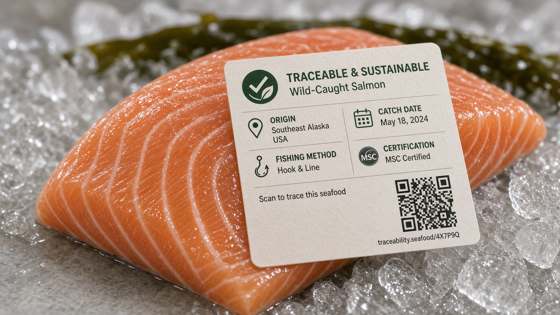
Restaurants that care about seafood sourcing tend to buy from suppliers who can name the species, region and catch or farm method. They may use ratings from Seafood Watch, buy MSC- or ASC-certified products, rotate species with the season and avoid fish with poor stock status. Many put the information on the menu. Some seafood programs also work with restaurants directly; check the program's own website for its current partners and criteria.
Menu clues on how restaurants source sustainably
Good signs of how restaurants source sustainably
- Specific species names and origins, such as the region or fishery.
- A short, changing seafood list that follows the season.
- Named certifications such as the MSC or ASC labels with a clear meaning.
- Lesser-known fish alongside the familiar ones.
Warning signs
- Vague terms like "catch of the day" or "white fish" with no species named.
- A long, unchanging menu with many imported luxury species.
- Claims such as "sustainable" or "ocean friendly" with nothing behind them. See greenwashing in seafood marketing.
Questions to ask your server
- What fish is this, exactly, and where is it from?
- Was it wild-caught or farmed?
- Is it certified or rated by a third party?
- What is freshest today?
A server may not know everything, and that is fine. Staff who offer to check with the kitchen are showing good practice. Asking also encourages restaurants to keep records, which supports honest labelling; see avoiding fraudulent seafood substitution for why species names matter.
How do restaurants source sustainably when prices are tight?
By choosing abundant, well-managed species, buying whole fish and using trimmings, and building menus around what is in season. Those practices keep costs reasonable while reducing pressure on stressed stocks. The FishWatch site shows which U.S. species are well managed, and our guide to choosing sustainable seafood works as well at a restaurant table as at the market.
Can a restaurant be sustainable without a certification?
Yes. Small restaurants often buy from local boats or farms they know personally, and many are not certified because certification costs money and paperwork. In those cases the proof is in the detail: the server or chef can tell you the boat, farm or harbor, the season and the method. If a restaurant proudly names its sources, that transparency is often more reassuring than a logo.
At the other end, large chains may rely on supplier certifications and published sourcing policies. Those can be solid if the standard is named and progress reported. Either way, your question matters: restaurants listen to customers, and a few polite questions each week add up across a dining room.
Finally, remember that sustainability includes labor and fairness. Our article on forced labor in seafood supply chains explains why where and how a product is made matters beyond fish stocks.
Keeping it practical
If you cannot get clear answers, order a lower-risk item such as farmed mussels or a well-known certified fish, and tell the restaurant you would like more information on the menu next time. Knowing how restaurants source sustainably gives you a quick, polite way to reward the places that get it right.