Ghost fishing is what happens when fishing gear that has been lost, abandoned or discarded keeps catching animals with nobody tending it. NOAA explains the problem on its ghost fishing page, and notes that derelict gear can continue to trap fish, crabs, turtles and other marine life.
How ghost fishing starts: how gear gets lost
Storms, strong currents, snagged seafloor, collisions with other boats, and sometimes deliberate dumping all send gear adrift or to the bottom. Traps and pots, gillnets, longlines and ropes are among the commonly discussed types. A lost trap can keep attracting animals that enter and cannot leave.
Why it matters beyond the animals
Derelict gear can damage habitat, entangle wildlife, and be a hazard to boats. It also wastes resources: animals trapped in lost gear are not harvested by anyone, and they reduce populations that fishers and managers are trying to protect. The broader marine debris picture is covered by the NOAA Marine Debris Program.
Ghost fishing and plastic pollution
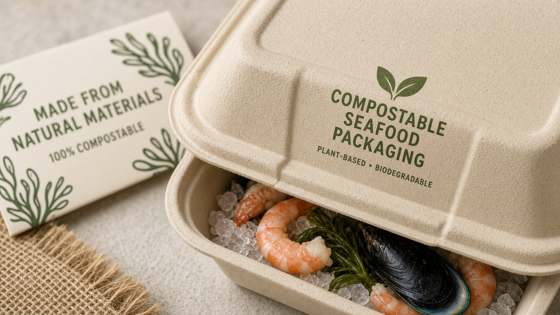
Many modern nets and lines are made of synthetic materials that break down slowly, so lost gear can persist for a long time and fragment into smaller pieces. That connects ghost gear to the issues discussed in plastic in seafood packaging, although the two problems have different sources.
What is being done
- Gear marking so lost items can be traced back to their owners.
- Escape panels and biodegradable parts in traps so animals are released if the trap is lost.
- Programs to recover derelict gear, often run with fishers themselves.
- Rules requiring fishers to report lost gear so it can be located.
Check current regulations in your region, since requirements vary by fishery and location.
What this means when you buy
Ghost gear is rarely visible on a label, but it is connected to how fisheries are run. Fisheries that track gear, limit the amount in the water and cooperate on recovery tend to lose less of it.
Practical steps for shoppers
- Ask sellers about gear. Trap fisheries, for example, vary a lot in how well they manage lost traps.
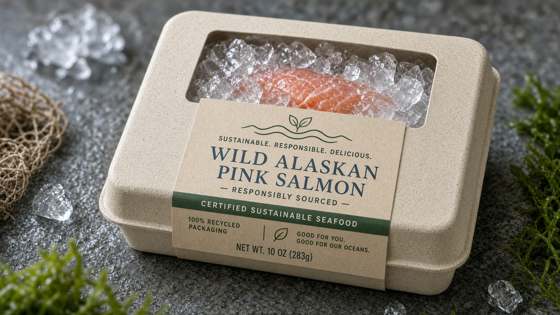
- Favor fisheries with good management and recognized certification, and see how certifications compare.
- If you fish recreationally, retrieve or report lost gear, and dispose of old line and nets properly.
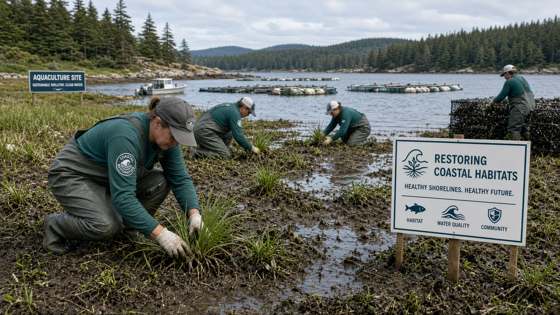
- Support community cleanup efforts in coastal areas.
Traps, nets and what differs between them
Not all lost gear behaves alike. A lost net may drift and entangle animals over a wide area, while a lost trap stays put and keeps luring animals into it. Many trap fisheries now require escape vents and degradable fastenings so that a trap that is never recovered eventually opens. Requirements vary by place and species, so check current local rules if you fish yourself.
Ghost fishing is a reminder that the footprint of seafood includes what is left behind in the water. Asking about gear and choosing well-managed sources are small steps that point demand in a better direction.