IUU fishing stands for illegal, unreported and unregulated fishing, and it covers a wide range of activity: fishing without a license, ignoring quotas or closed areas, not reporting catches, or operating where no rules apply. The FAO describes the topic on its IUU fishing page.
Why IUU fishing matters to shoppers
Fish caught outside the rules is not counted in stock assessments, so scientists and managers may underestimate how much is really being removed. That can lead to weaker protections for the species you buy. It also undercuts honest fishers who follow the rules and pay the costs of compliance.
The people involved can also be affected. Illegal operators sometimes cut costs through unsafe or abusive labor practices, a link we explore in forced labor in seafood supply chains.
How illegal catch can enter the market
Seafood often travels through several hands: boat, port, processor, exporter, importer and retailer. Fish can be transferred between vessels at sea or mixed with legal catch, making it hard to tell where a particular fillet began. Species can also be mislabeled along the way.
What governments are doing
The United States has a Seafood Import Monitoring Program that requires certain information and records for covered imported species; NOAA explains it on its program page. Internationally, the FAO's Agreement on Port State Measures lets countries inspect foreign vessels in port and deny entry or services to those suspected of illegal fishing, outlined on the FAO port state measures site. Check current rules for the exact species covered, since lists can change.
What you can do at the counter
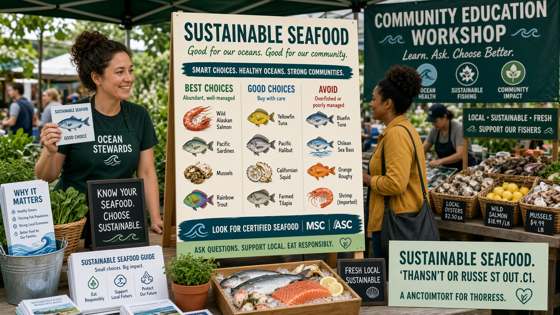
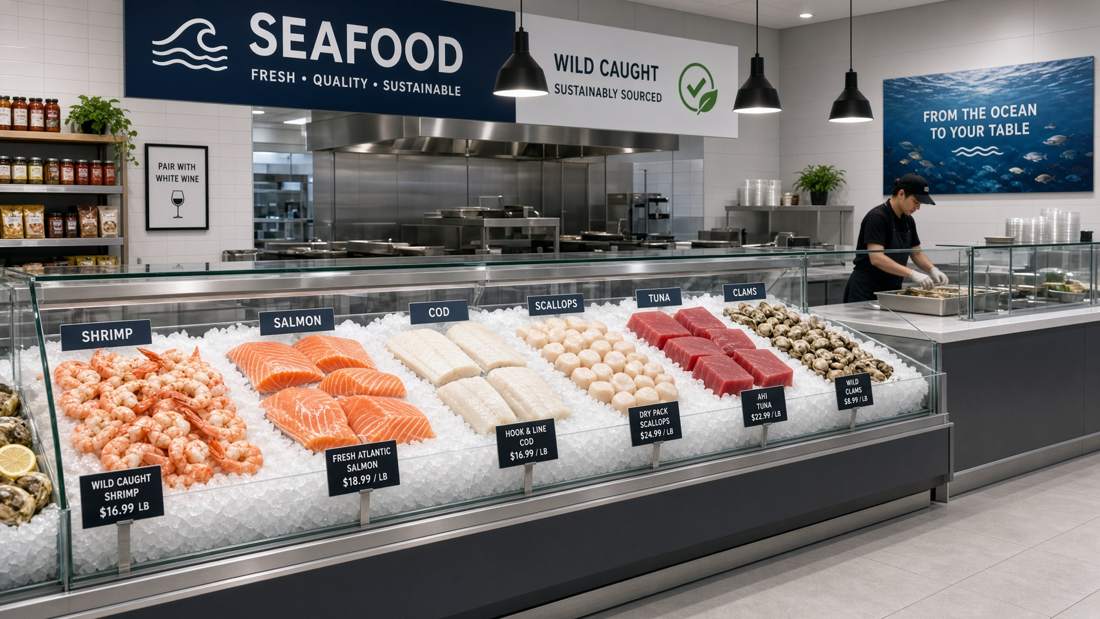
- Ask where the fish was caught and by what method. Specific answers are a good sign; evasive ones are not.
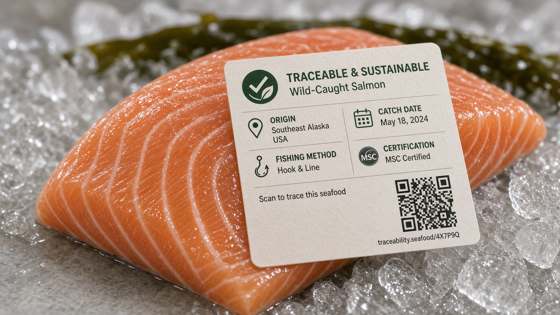
- Prefer sellers that offer traceability, such as a catch location or a code you can look up. Our piece on transparency in seafood supply chains explains what good disclosure looks like.
- Choose certified products where it makes sense; certification programs require chain-of-custody tracking, though no system is flawless.
- Be cautious with prices that are far below the going rate for a prized species.
- Use Seafood Watch or FishWatch to pick species from well-managed sources.
Realistic expectations
Spotting the gaps in the paper trail
Why IUU fishing is hard to spot
A fillet looks the same whether it came from a licensed boat or an unlicensed one. The clues are in the documents and the story behind the fish: a vague origin such as "Pacific" with no country, a seller who cannot name the species, or a price that does not match the market. None of these proves anything on its own, but together they are a reason to ask more questions or choose something else.
The three words in the name mean different things. Illegal fishing breaks laws. Unreported fishing is not declared or is misreported to authorities. Unregulated fishing takes place where no rules apply or in ways that ignore conservation measures. The distinction matters because the solutions differ: better enforcement for the first, better data for the second, and new agreements for the third.
No shopper can verify every fillet. The goal is to lean toward sellers and sources that can document where the fish came from. Combined with stronger import controls and port inspections, informed demand makes IUU fishing harder to profit from. If you remember one habit, make it asking the origin question every time you buy.