Animal welfare in fishing is about how fish and shellfish are treated from the moment they are caught or raised until they are killed, including how long they are crowded, how they are handled, and whether they are rendered unconscious before slaughter. It is a growing topic for shoppers, and it often overlaps with quality: gentler handling usually produces better-tasting fish.
Animal welfare in fishing and the question of fish pain
Scientific opinion on fish sentience has moved over the years, and a significant body of research indicates that fish can detect harmful stimuli and respond with behavior consistent with pain or distress, although researchers debate the details. Many welfare guidelines now treat fish as sentient animals. For crustaceans and other invertebrates, evidence is still developing, and the next article, ethical slaughter of crustaceans, covers that side.
Animal welfare in fishing: wild catch
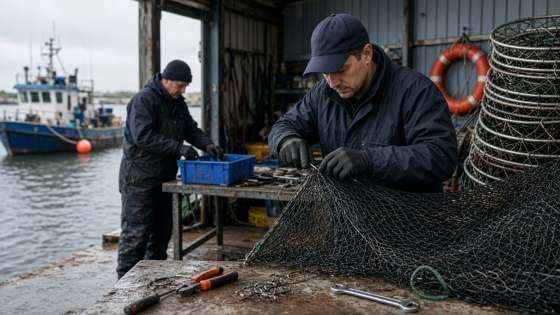
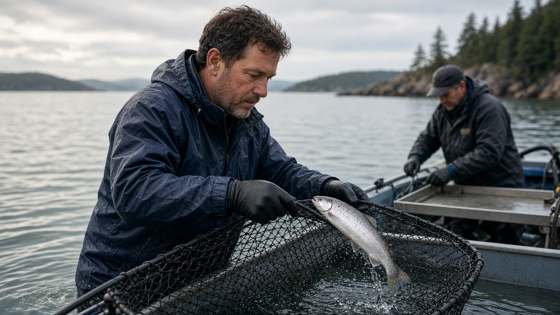
Wild fish often experience long periods in nets or on hooks, crushing in large catches and pressure changes as they are hauled up. Slow deaths on deck from suffocation are common in many fisheries. Some fisheries use quicker, more controlled methods, such as stunning or immediate bleeding and chilling, that also improve flesh quality. Gear matters here as well, see bycatch and handlined seafood.
Welfare issues in farmed fish
For farmed fish, the main concerns include stocking density, water quality, handling during transfers and treatments, and slaughter method. The World Organisation for Animal Health publishes international standards on the welfare of farmed fish at woah.org. Many farms use electrical or percussive stunning before slaughter; practice varies widely.
What shoppers can look for
- Fish caught by line or in small, carefully hauled sets, which are often handled more gently.
- Sellers who say how their fish were killed, such as quick stun and bleed.
- Farmed products with standards covering welfare, as some certifications include welfare criteria, see the ASC site for its current requirements.
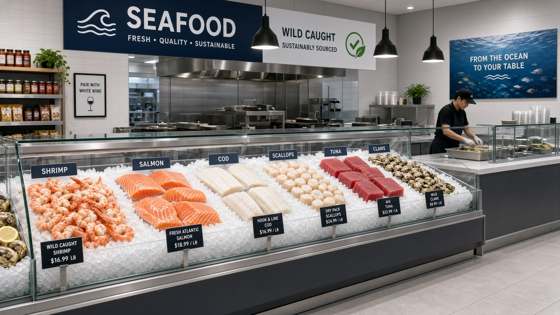
- Fish that show good freshness signs, since stress and slow death can shorten shelf life. How to choose fish at the market explains what to check.
Realistic limits
Welfare rules for fish are patchy in many countries and are less developed than for land animals, and what counts as humane is still debated. Labels that mention welfare differ in strictness, so ask what the claim means. For the fish you cook at home, you can improve things yourself by buying from sources that handle fish quickly and by asking how it was dispatched.
At home you can reduce stress-related quality loss by keeping live shellfish cool and damp, not submerged in fresh water, and by cooking or killing animals promptly and quickly. Those habits are gentler and give better flavor.
Putting animal welfare in fishing on your list of buying questions will not solve everything. It does help create demand for better handling, and it tends to pay off on the plate in firmer, fresher fish.