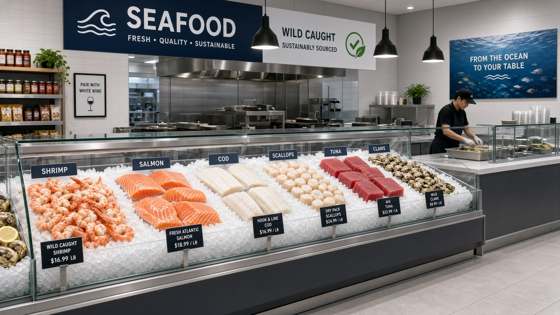
Wild fish feed dependency describes how much a farming operation relies on fishmeal and fish oil made from wild-caught fish, often small forage species such as anchovies, sardines and menhaden. It matters to shoppers because farmed fish are meant to ease pressure on wild stocks, and heavy reliance on wild feed can undercut that benefit.
Who depends on wild fish feed dependency, and who does not
Species that need no feed
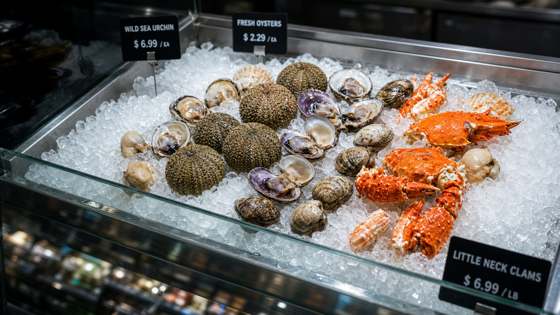
Oysters, clams and mussels filter food from the water and need no added feed. Seaweed absorbs nutrients from the water. These are widely regarded as among the lowest-impact seafood choices; for example, Seafood Watch often rates responsibly farmed bivalves favorably, though ratings depend on the product and source, so check the current listing.
Species with a wild fish feed dependency
Carnivorous fish such as salmon, trout and sea bass historically ate diets with high levels of fishmeal and fish oil. Tilapia and catfish are more omnivorous and need much less. Shrimp feeds also contain marine ingredients in varying amounts.
How the industry has changed
Over recent decades, feed makers have reduced the share of marine ingredients in many diets by substituting plant proteins and oils, and by using trimmings from fish processing. This lowers the amount of wild fish needed per kilogram of farmed fish, often described with a fish-in-fish-out ratio. The exact figures depend on species, company and year, so treat any single number carefully and look to credible reviews such as those from the FAO. Substitutes bring their own trade-offs, discussed in alternative feeds and sustainability.
The source of the marine ingredients matters too. Responsible schemes expect fishmeal and oil to come from well-managed fisheries or from trimmings. The Aquaculture Stewardship Council includes feed requirements in its farm standard; read the current standard for specifics.
Omega-3 and feed dependency
Fish accumulate omega-3 fats from their diet. When feed shifts toward plant oils, the omega-3 content of farmed fish can fall unless alternatives such as algae oil are added. Farmed salmon remains a good source of omega-3s, but the amount can vary by producer. If omega-3 content matters to you, check labels or ask the seller.
How do you judge wild fish feed dependency when you shop?
Start with the species. A farmed oyster has no feed dependency at all, a farmed tilapia has a small one and a farmed carnivorous fish has a larger one that producers are working to reduce. Then look at the producer. Companies that publish feed sourcing information, use certified marine ingredients and report their fish-in-fish-out figures are showing more transparency than those that do not.
It also helps to know why forage fish matter. Anchovies, sardines and menhaden are food for larger fish, seabirds and marine mammals, so heavy removal can affect the wider ecosystem, even when the fisheries are managed. Many forage fish are also eaten directly by people, and sardines and anchovies are widely regarded as nutritious, low-cost choices. Where fish are needed for human food, using them as feed is a debated trade-off.
Finally, remember that wild fish feed dependency is one of many factors in the footprint of a farm. Water quality, escapes, disease and energy use matter as well, which is why overall ratings and certifications are more useful than a single number.
Choosing farmed seafood with less wild-feed pressure
- Favor farmed mussels, oysters, clams and seaweed when they fit your meal.
- Choose third-party certified fish, and read our guide to feed formulation for farmed fish for context.
- Ask whether the producer reports its feed sources.
The NOAA aquaculture pages give a U.S. perspective. Wild fish feed dependency is falling in many operations, but it has not vanished, and an informed shopper can nudge the market toward farms that lead the change.