Ecosystem-based fisheries management, often shortened to EBFM, is an approach that considers the entire marine ecosystem when setting rules for fishing, rather than looking at one fish stock in isolation. It asks how the target species depends on its prey, how it affects its predators, and how habitat and climate shape the whole system.
How ecosystem-based fisheries management differs from the old approach
Traditional management often set a catch limit for each species separately. That is useful, but it can miss interactions. If a fishery takes too many small prey fish, larger fish, seabirds and marine mammals may suffer. If warming waters push a species into new areas, a fixed quota may no longer fit. NOAA describes how US fisheries are managed and how ecosystem considerations are growing in its fisheries management overview.
What ecosystem-based fisheries management looks at
- Predator and prey relationships, such as small forage fish that feed larger fish and wildlife.
- Habitat, including spawning grounds and nurseries.
- Bycatch and effects on non-target species, as in our bycatch guide.
- Environmental change, including warming and shifting ranges.
- Human communities that depend on fishing.
A simple example
Consider small schooling fish that larger fish, seabirds and whales eat. If a fishery takes too much of them, the catch of those small fish may look fine on paper while predators go hungry. An ecosystem-minded plan might set a lower limit or protect certain areas during key feeding or breeding seasons. The details vary by region, so check the management plan for a particular fishery rather than assuming a standard rule.
Where this meets the shopper
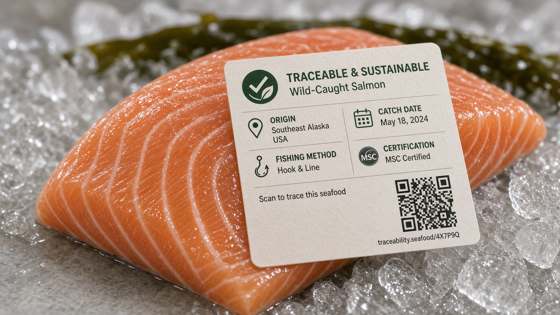
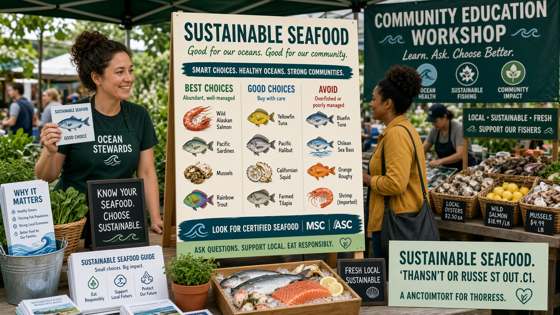
You will rarely see this on a label, but it shows up in ratings and certifications. The MSC standard includes expectations about a fishery's impact on the wider ecosystem, and Seafood Watch considers management, habitat and bycatch alongside stock health.
Limits and honest caveats
Ecosystems are complex, and data are often incomplete. Ecosystem-based approaches can mean more cautious limits when science is uncertain, which can mean smaller catches in the short term. They also depend on funding for research and monitoring. Progress is uneven between regions and countries.
Questions a curious shopper can ask
You do not need to be a scientist to use this idea. When a seller says a fish is responsibly caught, you can ask follow-up questions that reflect an ecosystem view:
- Is the fishery limited in where and when it operates, so spawning fish are left alone?
- What happens to non-target catch, and is it monitored?
- Does the fishery leave enough prey in the water for the animals that depend on it?
A good fishmonger or a well-run brand will usually have some answer, even if it is only a link to a management summary. A blank stare is information too.
Related ideas include marine protected areas, which protect habitat directly. For the shopper, the practical lesson is that a rating based on only one factor can miss part of the picture. Choosing fish from fisheries with ecosystem-based fisheries management in place, or with certification that considers wider impacts, is a sensible way to favor the long view.