Bycatch is the part of a fishing haul that was not the target: other fish, undersized fish, seabirds, sea turtles, marine mammals and more. NOAA describes the issue and how it is managed on its bycatch page, and it counts bycatch as a major challenge for fisheries around the world.
Why bycatch happens
Nets, hooks and traps are not perfectly selective. A net with small mesh holds young fish and non-target species along with the intended catch, and baited hooks can attract animals the crew never meant to catch. Some bycatch is released alive; some is not. The result depends heavily on the gear, the location and the species involved.
How big is the problem?
Exact global figures are hard to pin down, because many fisheries do not have independent observers or full reporting, and different studies count bycatch differently. The honest answer is that the scale varies enormously from one fishery to another. Some gear types and regions have very low bycatch, while others have serious problems for particular vulnerable species. Look to current NOAA and FAO material, such as the FAO fishery pages, rather than a single headline number.
Gear and bycatch: a shopper's cheat sheet
Gear that tends to be more selective
Handlines, pole-and-line, and well-designed traps generally catch fish one at a time or in a targeted way. Our guide to handlined and jigged seafood covers why.
Gear that needs careful management
Trawls, gillnets and longlines can catch many non-target animals unless the design and rules are good. See longlining explained and the bottom trawling debate for more detail. Poor gear is not automatic on every boat, though: many fisheries use escape panels, turtle excluder devices, bird-scaring lines and other fixes.
What helps in practice
- Gear modifications that let non-target animals escape or avoid the gear.
- Observers or cameras that verify what is really coming aboard.
- Time and area closures when vulnerable species are present.
- Limits on how much bycatch a fleet may take before it must stop fishing.
Choosing lower-bycatch seafood
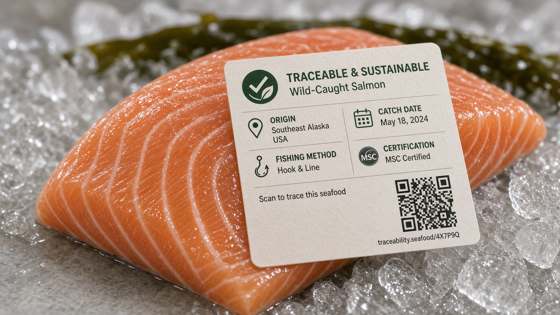
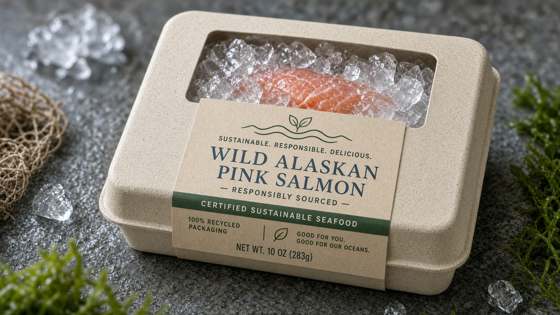
You cannot see bycatch from a fillet, so you need to lean on sources. Ask what gear was used. Check species and gear combinations on Seafood Watch, which rates many seafood choices with bycatch as one factor. Certified fisheries, such as those in the MSC program, have to demonstrate they limit impacts on non-target species.
Discards, retention and what gets reported
How bycatch is measured and reported
Bycatch includes animals that are thrown back, called discards, and some that are kept and sold. Counting it requires observers on boats, electronic monitoring such as cameras, or detailed logbooks. Where coverage is thin, the true number is uncertain, which is why reports from different fisheries are hard to compare. NOAA's bycatch overview explains the approaches used in the United States.
Not all bycatch is equally worrying. Catching a few abundant fish matters less than regularly catching a species whose population is small, such as certain sea turtles or seabirds. That is why fisheries often focus their fixes on specific sensitive animals.
Understanding bycatch will not make shopping simpler, but it gives you a sharper question to ask: not just what fish this is, but what else was caught alongside it. Lower-bycatch choices exist at most counters if you ask.