Bottom trawling means dragging a weighted net along or just above the seafloor to catch fish and shellfish that live there, such as cod, haddock, flatfish and many shrimp. It is one of the most productive and most debated fishing methods in the world, and a large share of the whitefish and shrimp sold in stores is caught this way.
Why people disagree about bottom trawling
Supporters point out that trawling is efficient, feeds many people and supplies affordable fish. Critics point out that gear touching the bottom can disturb or damage seafloor habitat, stir up sediment, and catch non-target animals. Both statements can be true at once, and the real question is how much harm occurs, where, and what the alternatives are.
Where bottom trawling does more damage
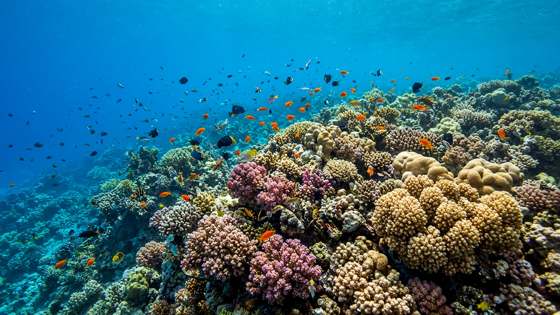
The effect depends strongly on the seabed. Sensitive, structure-forming habitats such as cold-water corals, sponges and rocky reefs recover very slowly, if at all. Soft sandy or muddy bottoms that are naturally disturbed by waves and currents generally recover faster. NOAA's work on essential fish habitat shows how US managers identify and protect important areas.
How trawling affects what else is caught
Because trawls are not very selective, unwanted species can end up in the net. Modern gear often has escape panels or grids for specific animals, and many fisheries must limit discards. Our guide to bycatch explains why this matters, and the trawling basics article covers how trawls work and how they affect quality.
What management can do
- Close sensitive areas to bottom-contact gear.
- Restrict gear weight, size or tow time.
- Require bycatch-reducing devices.
- Use vessel tracking and observers to check that rules are followed.
Many trawl fisheries, including some certified under the MSC program, operate under such rules. Certification is not the same as zero impact; it indicates the fishery met a defined standard for managing its effects.
How to buy trawled fish more thoughtfully
- Check the species and source on Seafood Watch, which factors in habitat impacts and gear type.
- Ask where it was caught. The same species may be rated differently by region and gear.
- Look for certification and traceability, and read how certifications compare.
- Consider alternatives caught with less seafloor contact, such as line-caught or trap-caught options, when the price and availability suit you.
Trawl-caught is not a verdict on its own
Shrimp, cod and flatfish: three trawl stories
Shrimp trawling has historically caught a lot of non-target animals compared with the weight of shrimp landed, which is why turtle excluder devices and bycatch reduction devices became standard in many shrimp fisheries. US rules require turtle excluder devices on many domestic shrimp trawlers and set conditions on imported shrimp, but details change, so check current rules or the label guidance. For cod and flatfish, the debate leans more on habitat contact and stock health than on bycatch of large animals.
There is also a price angle. Because trawling is efficient, the fish it lands is often among the most affordable at the counter, and removing it entirely would push many shoppers toward costlier proteins. For most home cooks, the goal is not to eliminate trawled fish but to favor the better-managed sources among them.
Midwater trawls, which do not touch the bottom, are a different case from bottom trawls, so the phrase "trawled" alone does not tell you much. Treat bottom trawling as a reason to ask questions, not an automatic reason to refuse a fish. If you eat trawled cod or shrimp, choosing well-managed, traceable sources is the practical way to take part in the debate on bottom trawling with your wallet.