Blue economy concepts describe how people can use the ocean for jobs, food and income without wrecking it. The World Bank defines the blue economy as the sustainable use of ocean resources for economic growth, better livelihoods and jobs while preserving the health of ocean ecosystems, and seafood is one of its largest parts.
The main blue economy concepts
Sectors involved
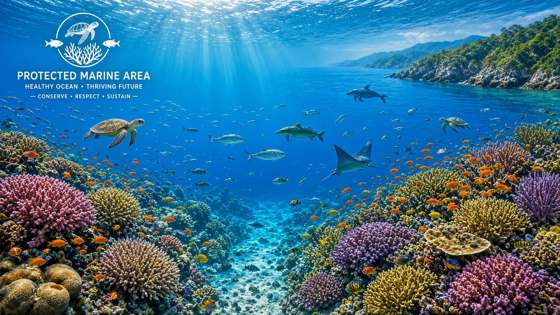
The blue economy includes fishing, aquaculture, shipping, tourism, offshore energy, ports and emerging areas such as seaweed farming and ocean biotechnology. Seafood links most of these. Boats need ports and weather forecasts, farms need clean water, and offshore wind or shipping lanes can compete with fishing grounds. See marine spatial planning for how governments try to share space.
Related terms
- Blue growth: economic expansion based on ocean resources, ideally with environmental safeguards.
- Ecosystem-based management: managing each activity with the whole ecosystem in mind; see ecosystem-based fisheries management.
- Blue carbon: carbon stored by coastal ecosystems such as mangroves, seagrasses and salt marshes. See kelp forests and carbon capture for a related discussion.
Why blue economy concepts matter for seafood buyers
Most of the fish people eat comes from either wild fisheries or aquaculture, and both depend on healthy water and well-managed stocks. The FAO reports that aquaculture now supplies a large share of aquatic food worldwide, so how farms are sited and managed is part of the picture. In the United States, NOAA's aquaculture information explains how farming fits within a wider ocean economy.
How to spot blue washing
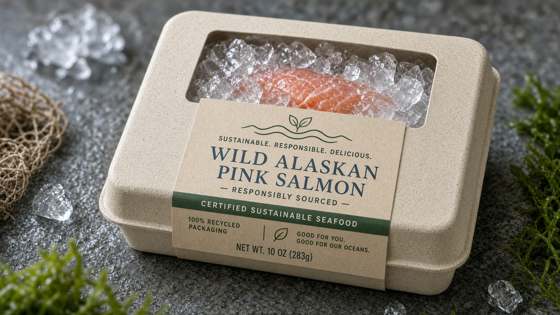
Like "green", "blue" can be used loosely in marketing. Be cautious about vague claims such as "ocean positive" or "blue certified" that name no standard. Ask who checked the claim and what it covers. Our article on greenwashing in seafood marketing lists warning signs.
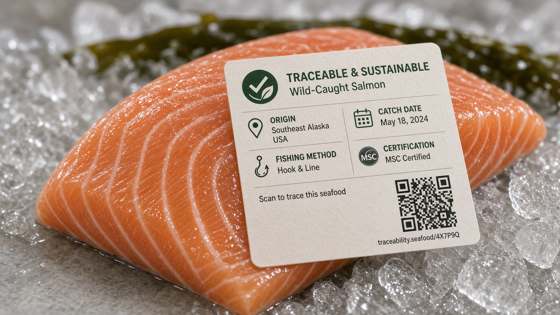
What credible evidence looks like
- A named, independent standard such as MSC for wild fisheries or ASC for farmed seafood.
- Species and origin clearly listed.
- Information on how and where the fish was caught or farmed.
What are blue economy concepts doing for local seafood?
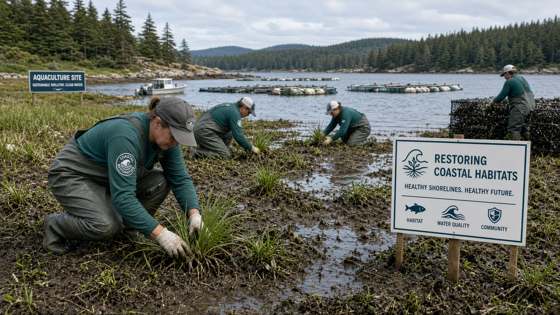
Local fishers and shellfish growers often use blue economy language when seeking permits, funding or space on the water. Good examples include coastal planning that protects working waterfronts, funding for cleaner gear, and training for new entrants. Poor examples include projects that sound sustainable but push small-scale fishers out of traditional grounds. Reading local news and supporting community-run fisheries helps you tell the difference.
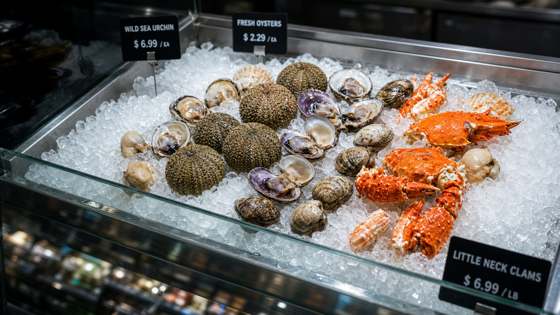
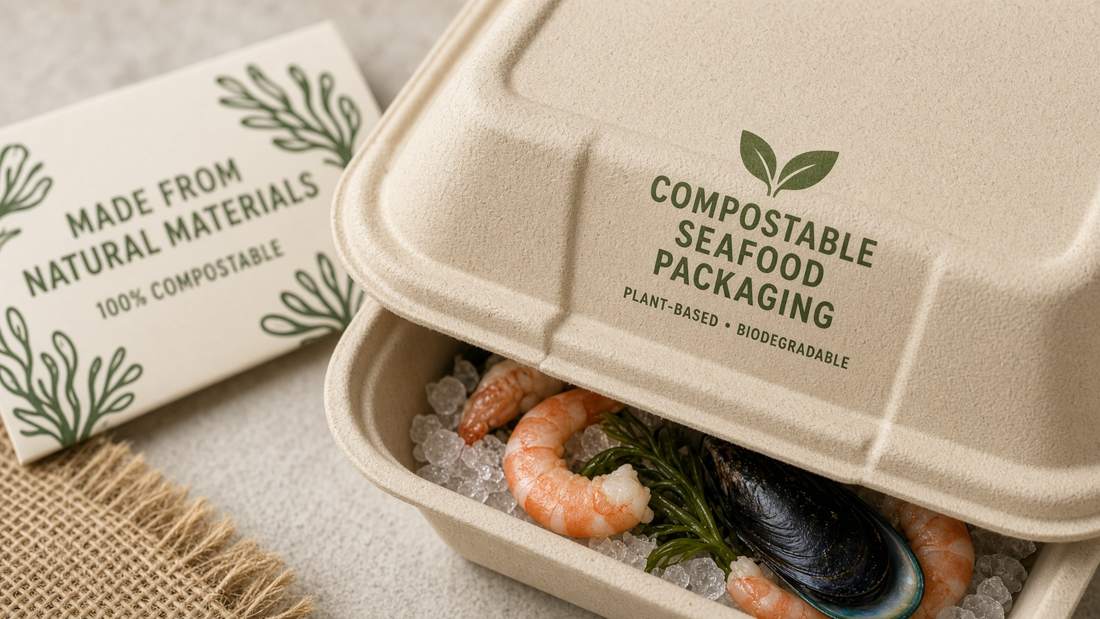
The idea is also changing what ends up on menus. Seaweed, mussels, oysters and underused local species are promoted as lower-impact choices, and many are inexpensive. If your fish counter offers them, they are a simple way to turn the concept into dinner.
Using the idea in everyday shopping
You do not need to master policy language to apply blue economy concepts. Buy species from well-managed sources, vary what you eat, favor lower-impact options like farmed bivalves, and ask questions. When the buzzword is backed by details you can check, it means something; when it stands alone, it is just a slogan.