Fisheries improvement projects, usually called FIPs, are organized efforts to bring a fishery up to a recognized sustainability standard over time. They typically bring together fishers, processors, buyers and sometimes conservation groups, who agree on a work plan to fix specific problems.
How fisheries improvement projects work
A FIP usually starts with an assessment of the fishery against a standard, such as the MSC standard described at msc.org, to find the gaps. The group then sets goals and a timeline, for example improving stock data, reducing bycatch, or strengthening management. Progress is tracked and reported, and some projects aim eventually to enter full certification.
Typical goals for fisheries improvement projects
- Better data on the catch and the health of the stock.
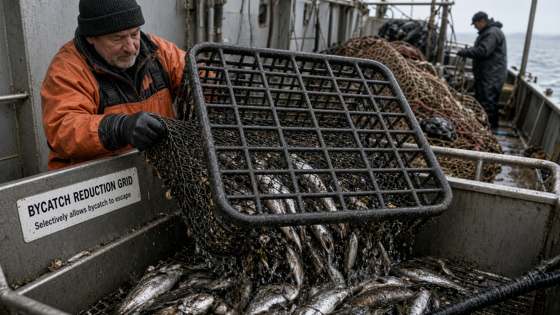
- Gear changes that reduce bycatch, see our bycatch guide.
- Stronger rules and enforcement.
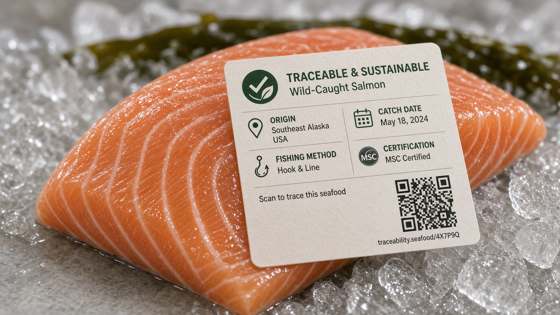
- Improved traceability so the product can be followed from boat to buyer.
What a FIP does not mean
A FIP is a work in progress. It does not mean the fishery is certified or even currently meeting a standard. The quality of FIPs varies, and some have moved quickly while others have stalled. Benchmarks and progress ratings exist so buyers can judge whether a project is on track; ask for the current status before treating a FIP as a green light.
Why this matters at the counter
You may see a FIP mentioned on a retailer's sourcing page. That can be a positive sign that a company is investing in improvement, particularly for species and regions where certification is not yet available. But it is not equivalent to a certified product. For comparison, see how the main certifications compare.
Questions to ask
- Is there a public workplan with dates and measurable goals?
- Is progress reported regularly and independently reviewed?
- Does the seller buy from the FIP fishery now, or merely plan to?
- What is the current stock status on Seafood Watch or similar guides?
Why FIPs are still worth supporting
Many fisheries, especially in developing regions, lack the money and data to qualify for certification right away. Buyer demand gives them a reason and sometimes funding to improve, and a long-term FIP can raise standards for fishers who would otherwise be left out. Small-scale fisheries often benefit most, see small-scale fishers and sustainability.
Shoppers sometimes see a progress score or a rating of "advanced progress" tied to a project. These descriptions are produced by different groups, so check who is assessing the project and whether the report is public. A transparent, regularly updated report is a better sign than a logo.
How to follow a FIP's progress
Many FIPs publish progress on public tracking sites, and some are rated by independent groups using a scale of progress against a standard. Look for the project's own page, a list of participants and dated updates. A project with no public updates for years should raise questions. Compare what the project says it will do with what it has delivered: new regulations, observer coverage, better catch data or gear changes are concrete results, while meetings and statements are not.
Signs of a credible project
- A named fishery, species, gear type and area.
- A public action plan with deadlines.
- Participation from both the fishing sector and the supply chain, including buyers.
- Independent review or verification of progress.
- Measurable outcomes, such as improved stock assessments or reduced bycatch.
Signs of a weak one
- Vague goals with no timeline.
- No public report, or one that has not changed for years.
- A company using the FIP name in marketing while buying mostly from outside the project.
- No link to the fishery's regulator or scientists.
FIPs versus certified fisheries
A certified fishery has passed an assessment against a standard, such as the one maintained by the Marine Stewardship Council. A FIP is aiming for it. Some FIPs lead to certification, and others focus on practical improvements without chasing a label. For shoppers, a certified product gives more assurance today, while a FIP product may support a fishery on its way. Neither replaces checking a rating for the specific species and origin.
What you can do as a shopper
- Prefer certified or well-rated seafood where it is available and affordable.
- If you buy FIP seafood, favor sellers that name the project and link to its progress report.
- Ask retailers what share of their seafood comes from certified fisheries and from FIPs.
- Check FishWatch for US fisheries, where management and science are public.
- Do not pay a large premium for the word FIP alone.
Why patience matters
Fishery change is slow. Stock data, rules and enforcement can take years, and improvements can be undone if funding or political support ends. A realistic view is that a good FIP is evidence of effort, and success is judged by results over time. Combine that view with what you can verify, and you can support improvement without being misled by labels.
When you see fisheries improvement projects named on a label or a website, treat it as a promising but unfinished story: a reason to ask for the latest progress report, and a reason to favor companies that publish one.