Labor rights in global fishing cover the basics that workers on boats and in processing plants should expect: fair pay, safe conditions, reasonable hours, and the freedom to leave a job. Fishing is physically dangerous and often takes place far from shore and from inspectors, which makes protecting those rights harder than in most industries.
Why labor rights in global fishing are hard to police
Crews may spend weeks or months at sea. Boats can be hard to inspect, recruitment is often handled through agents in different countries, and workers may be migrants who depend on one employer. Many fishing vessels also operate in waters with limited oversight. The International Labour Organization, available at ilo.org, sets international labor standards and has a specific convention on work in the fishing sector, though not every country has adopted it.
Common concerns about labor rights in global fishing
- Unsafe vessels and long hours without adequate rest.
- Unpaid or withheld wages, or deductions for recruitment fees and living costs.
- Confiscated identity documents or restricted ability to leave a vessel.
- Poor food, water and living conditions.
- Dangerous or unsanitary conditions in onshore processing.
The most severe cases amount to forced labor, covered in our forced labor guide. Not every problem reaches that level, and not every fleet has these issues, so avoid blanket judgments about whole countries or species.
Links to environmental problems
Poor labor conditions often overlap with illegal fishing, because operators cutting corners on the law tend to cut them on crews too. See our IUU fishing article for that connection.
What shoppers can do
Practical steps for buying more fairly
- Ask sellers whether they have a policy on labor conditions in their supply chain and whether it is public.
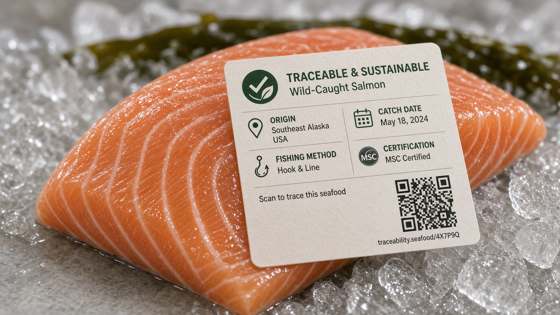
- Prefer sources with traceability, so the boat or farm can be identified. See transparency in seafood supply chains.
- Look at what certifications cover. Some include social criteria and many do not, as explained in our comparison of certifications.
- Consider domestic and small-scale sources where you can verify the conditions, while recognizing that no origin is risk-free.
- Be wary of very cheap seafood with no stated origin.
Where laws stand
Rules vary by country and are changing. Some governments restrict imports tied to forced labor and require more reporting on supply chains, and the specifics differ, so check current rules instead of assuming one standard applies everywhere. For stock and sourcing information, FishWatch covers US fisheries.
Onshore work deserves attention too. Processing plants that fillet, peel and pack seafood employ many people, often in repetitive, cold and wet conditions, and shrimp peeling and similar tasks have been the subject of reports on pay and conditions in some countries. Ask whether a brand's labor policy covers plants as well as boats.
No label can fully guarantee that labor rights in global fishing were respected, but asking about it signals to retailers that customers care. Over time, that pressure helps make decent working conditions a normal cost of doing business rather than an optional extra.