Indigenous fishing rights are legal and customary rights that allow Indigenous peoples to fish for food, ceremony and trade, and they often rest on treaties and long-standing practice. For shoppers, understanding them helps explain why certain fisheries are managed jointly and why some seafood is sold directly by tribal fishers.
How Indigenous fishing rights are grounded in treaties
In the United States, a number of treaties reserved fishing rights for tribes in the Pacific Northwest, and courts have affirmed those rights over the years. In Canada, Indigenous fishing rights are recognized under constitutional law and established through court decisions. The details vary by nation, treaty and region, so check current sources for any specific case rather than relying on a general summary. Fishery managers, such as those described in NOAA's management overview, often work with tribal governments as co-managers.
Traditional practices behind Indigenous fishing rights
Many Indigenous communities have long-standing practices of taking only what is needed, timing harvests to seasons and runs, and passing knowledge between generations. Some traditional methods, such as weirs, fish traps and reef-net fishing, have been documented in different regions. Traditional ecological knowledge is increasingly used alongside scientific data in management, a trend that fits within ecosystem-based fisheries management.
Why this matters to shoppers
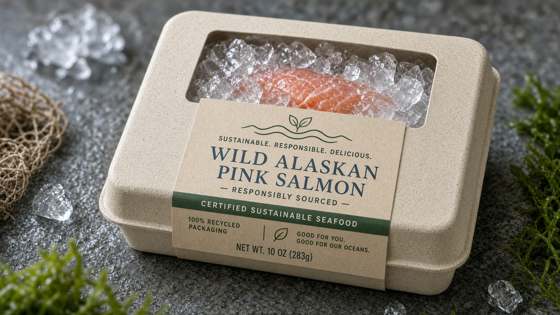
- Some of the salmon and shellfish you can buy come from tribal fisheries, which may be managed under agreements with state and federal bodies.
- Rights-based harvests can affect seasons and supply, as when a run is limited to protect it.
- Buying directly from Indigenous-owned businesses can keep income within communities.
Buying with respect
- Look for products clearly labeled as coming from a tribal or Indigenous-owned fishery, and ask sellers how they source.
- Check species status on FishWatch, because rights do not change the biology of a stock.
- Do not assume that a label using Indigenous imagery or words means Indigenous ownership. Ask.
- If you fish recreationally, follow local rules on tribal fishing areas and closures.
Challenges and ongoing debates
Indigenous communities have sometimes had to go to court to uphold their rights, and disputes over catch sharing, habitat loss and dams continue in various regions. Climate-driven shifts in fish distribution, discussed in climate change and shifting fish stocks, can complicate agreements that were written around where fish used to be.
Tribal fisheries often operate under their own regulations, set by tribal governments and coordinated with state and federal agencies. That means the rules for the salmon a tribe lands may differ from those for non-tribal boats in the same water, and a tribal run may open or close on a different schedule. This is normal and reflects shared management, not a lack of oversight.
The fair way to approach Indigenous fishing rights as a shopper is with curiosity and respect: learn who is harvesting, support honest labeling, and treat the guidance of the communities themselves as the best source on their own traditions. Recognizing those rights is part of understanding where good seafood comes from.