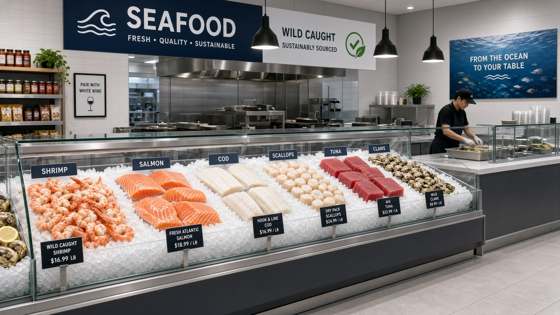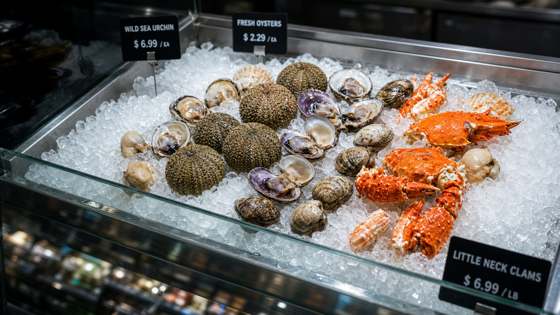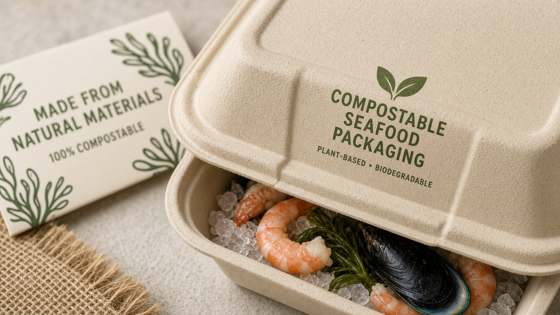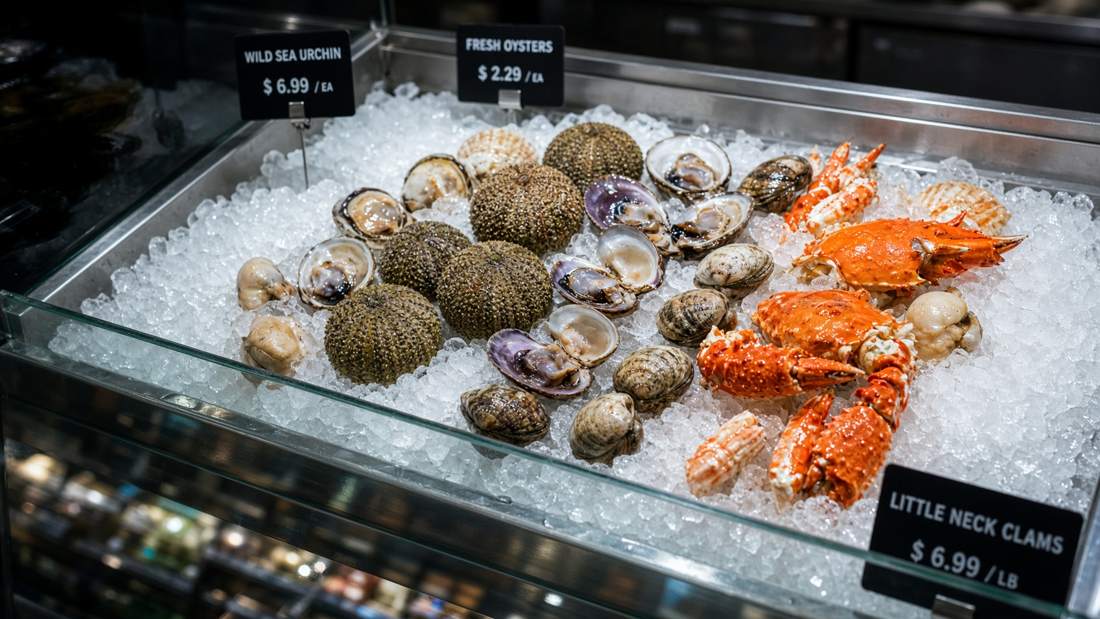
Choosing sustainable seafood does not require expert knowledge: three tools cover most purchases, namely a rating guide, a certification label and a few questions for your seller. The aim is to buy fish and shellfish from healthy, well-managed sources and to avoid those that are overfished or caught or farmed with high environmental harm.
Tool 1: a rating guide
Seafood Watch rates species by where and how they were caught or farmed, using color-coded categories that range from best choices to avoid. Ratings can differ for the same species depending on region and method, and they are updated, so check the current listing instead of memorizing it. In the United States, FishWatch provides NOAA's information on the status and management of many U.S. species.
Tool 2: certification labels
Wild-caught
The Marine Stewardship Council blue label indicates that a wild fishery has been certified against MSC's standard and that the product is traceable through certified supply chains. No label is perfect, and critics and supporters debate the strictness of various programs; our article on sustainable fishing certifications compared explains the differences.
Farmed
The Aquaculture Stewardship Council label covers farmed seafood certified against ASC standards. Other farm certifications exist, so look for the name of the standard and check what it covers.
Tool 3: three questions to ask
- What is it, and where is it from? Insist on a species name, not just "white fish".
- How was it caught or farmed?
- Is it certified or rated, and by whom?
A good fishmonger will answer quickly. Hesitation or vague answers are information too.
Practical habits for choosing sustainable seafood
Vary what you buy
Rotating species spreads demand and often saves money. Underused local species, farmed mussels and oysters and canned sardines are often good choices; see sustainable seafood on a budget.
Choosing sustainable seafood in season and locally
Seasonal fish is usually fresher, and local catch reduces transport. Check our guide to seasonal migration and the best times to buy.
Balance sustainability with health
Fish is a healthy food, and some species are higher in mercury. The FDA and EPA advice about eating fish groups species into best choices, good choices and choices to avoid, especially for pregnant women and young children.
What if choosing sustainable seafood feels overwhelming?
Start small. Pick two or three species you buy often and look them up once. Note which sources are rated best or certified, and write them on a card or phone note. Next time, buy the better option if it is available and affordable. Over a few months you will have a short list of reliable choices without feeling you must research every purchase.
Ratings guides are useful, but they can disagree, because they weigh issues differently and update at different times. If you see a conflict, look at the reasons given, and consider the strictest factor that matters to you, such as bycatch or habitat damage. Certification is not a guarantee either, but it means a third party has assessed the fishery or farm against published criteria.
When a species is not on any list, ask where it came from and choose another option if the answer is vague. Frozen products are a good way to find well-managed fish at fair prices, since they are often processed soon after capture.
What to remember at the counter
Be skeptical of vague labels such as "ocean friendly" with no named standard; see greenwashing in seafood marketing. Choosing sustainable seafood is a habit, not a test: take one tool to the store next time, then add another. Small, consistent choices make the most difference.