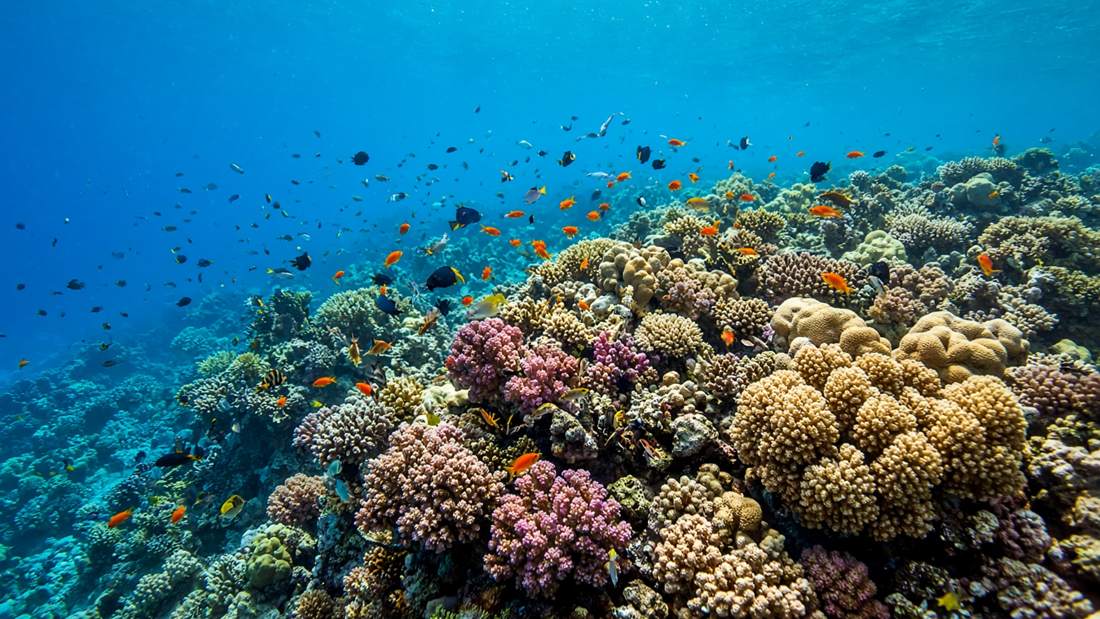
Coral reefs and fishing pressure are tied together because reefs shelter huge numbers of fish and shellfish that people eat, and reef fish in turn help keep reefs healthy. When too many reef fish are taken, or when the gear used damages the reef itself, the whole system can decline.
Why reefs are so sensitive
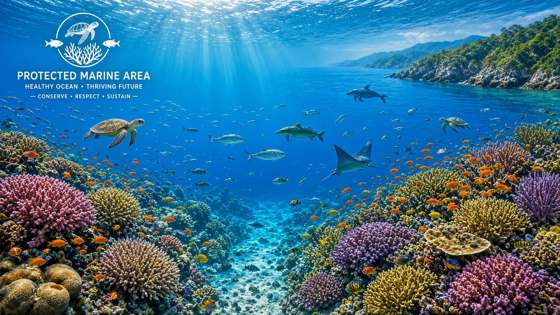
Many reef fish live a long time, grow slowly, and gather in predictable spots to spawn. That makes them easy to catch in large numbers and slow to recover. Reefs also face other stresses, including warming water and pollution, so fishing pressure is rarely the only factor. NOAA describes the threats and protection efforts on its protected areas pages.
Why plant-eating fish matter
Some reef fish graze on algae. When they are removed, algae can smother young corals and slow recovery after bleaching or storms. This is one reason a few reef species are protected or managed carefully in many places.
Destructive methods to know about
- Blast fishing uses explosives and destroys the reef structure itself.
- Cyanide fishing, used to stun live reef fish, poisons coral and non-target animals.
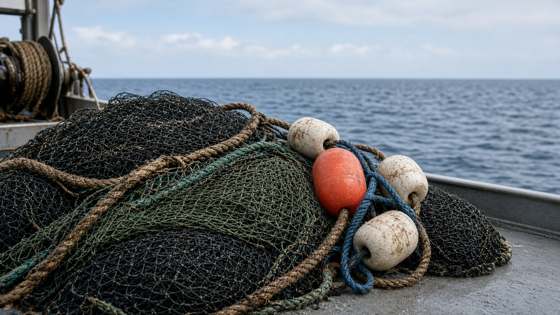
- Heavy gear dragged over a reef can break the coral.
These practices are illegal in many countries but still occur in places, and they are connected to the broader enforcement problem described in our IUU fishing guide.
Species names that often mean reef fish
Several popular market fish live around reefs or reef-adjacent habitat, including some groupers and snappers. The same market name can cover several species with very different conservation status, which is why asking for the precise species and origin is worthwhile.
How to choose reef fish more responsibly
- Look up the exact species and where it was caught on Seafood Watch or FishWatch.
- Prefer fisheries with size limits, seasonal closures and enforcement, and say no to anything the seller cannot trace.
- Consider substitutes from non-reef habitats for dishes where texture and flavor allow it. The article on sustainable seafood on a budget has substitution ideas.
- Be cautious with live reef fish in restaurant tanks, where origin may be unclear.
The takeaway
Local rules matter too. In many reef regions, authorities set size limits, seasonal spawning closures and protected zones, and these are meant to keep large breeding fish in the water. If you travel and see reef fish on a menu, it is reasonable to ask whether it is locally and legally caught, and whether it is in season.
Which fish and shellfish come from reefs
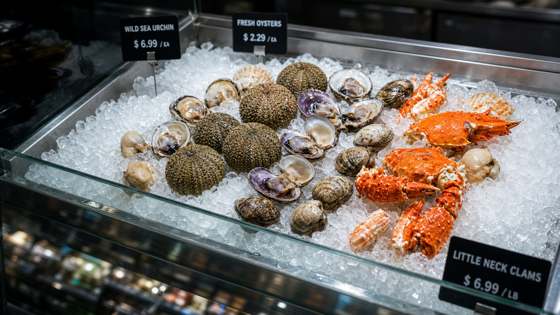
Reef-linked seafood includes groupers, snappers, parrotfish, wrasses, some jacks, spiny lobster and conch in many regions. Not all of them are equally at risk, and a species that is well managed in one place can be depleted in another. That is why a market name is only a starting point. Ask for the scientific or common species name, the place of catch and the method.
Live reef fish trade
Some restaurants keep live reef fish in tanks, and this trade has historically been linked to destructive practices in parts of the world. Live fish are also often large breeders, which are the fish reefs most need. If you are choosing from a tank, ask where the fish was sourced. If the answer is vague, order something else.
Practical alternatives to reef fish
If a recipe calls for grouper or snapper, many cooks can swap in firm white fish from other habitats, such as cod, pollock, haddock, rockfish or farmed tilapia, depending on the dish. Check ratings for the specific option before you buy. Substitutions work best when you match texture and thickness: a thick, firm fillet suits grilling, while a thin flaky one is better poached or baked.
- Grilling or pan-searing: look for firm, thick fillets.
- Soups and stews: almost any mild white fish will do.
- Whole fish for steaming: ask the fishmonger what whole fish is plentiful and well rated that day.
Smart questions at the counter
- What species is this exactly, and where was it caught?
- Was it caught by line, trap, net or spear, and is that method legal where it was caught?
- Is it a size that has had time to breed?
- Is it in season locally?
Travelers and reef fish
On holiday in a reef region, local fish can be a highlight. Look for restaurants that buy from named local fishers, serve a mix of species instead of only the most prized ones, and are happy to discuss where the fish came from. Avoid menus offering very large reef fish or species that local rules protect, and check local rules on harvest if you plan to catch your own.
Why your choices still matter
Individual shoppers cannot fix a reef, but demand sends signals. Buying from sellers who trace their fish, supporting well-managed fisheries and asking questions all push the market toward better sourcing. Combined with protected areas and enforcement against destructive gear, these choices help give reefs time to recover.
Reef fish are not off limits, but they deserve more questions than most. When coral reefs and fishing pressure are both in the picture, a seller who can name the species, place and method is worth supporting, and one who cannot is a signal to choose something else.