Fisheries subsidies reform is the effort to stop governments spending public money in ways that encourage too much fishing, such as paying for new boats, cheap fuel or fishing in overfished waters. The reforms are mostly negotiated at the World Trade Organization, and the effects on the fish counter, if they come, will be gradual.
Why fisheries subsidies reform is on the agenda
Fishing support payments can be helpful or harmful depending on what they pay for. Support for port facilities, research and monitoring can improve management. Support that lowers the cost of fishing or builds more vessels can add pressure to stocks that are already stretched. The FAO has monitored the status of fish stocks for decades and regularly reports that a significant share of assessed stocks are fished at unsustainable levels; its flagship State of World Fisheries and Aquaculture report has the latest figures.
What the WTO agreement covers
Banned categories
The WTO's 2022 Agreement on Fisheries Subsidies prohibits subsidies to illegal, unreported and unregulated fishing, to fishing of stocks that are overfished, and to unregulated fishing on the high seas. These are narrower than many campaigners wanted, but they set a global precedent. Learn more about the underlying problem in our article on illegal, unreported and unregulated fishing.
Still under negotiation
Broader rules covering overcapacity and overfishing, including fuel subsidies, have been the subject of continuing talks. Check the WTO's fisheries subsidies page for the current state of play, as the position can change.
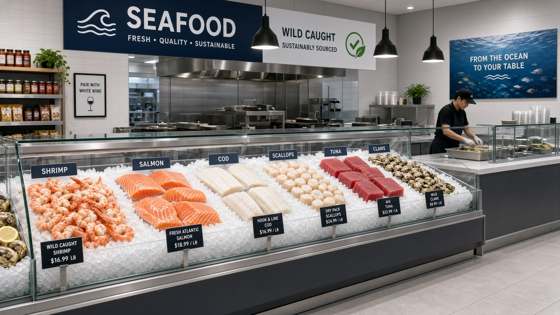
How fisheries subsidies reform could affect shoppers
- Fleets that depend on subsidies may fish less, which could reduce supply of some imported species and raise prices slightly.
- Healthier stocks could mean more stable supply later.
- Small-scale fishers are often given exemptions, so locally caught fish may be less affected.
None of these effects is guaranteed or immediate. Prices also depend on demand, shipping and the weather.
A common question is whether reform will make seafood more expensive. In the short term, effects are likely to be small and uneven, because only some fleets receive harmful subsidies and many countries have their own exemptions. Over the longer term, healthier stocks should support steadier supply. Both outcomes depend on whether countries actually implement the rules and report their subsidies honestly, which is difficult to monitor.
The agreement also includes provisions on notification and transparency, so that governments tell the WTO what support they provide. Researchers and campaigners use this information to check progress. Shoppers do not need to follow the details, but it helps to know that the debate is as much about data and enforcement as about the headline ban.
For consumers in the United States and elsewhere, domestic fisheries are generally managed with science-based catch limits, so subsidy reform is more of an issue for imported products from fleets operating under weaker management.
What you can do now
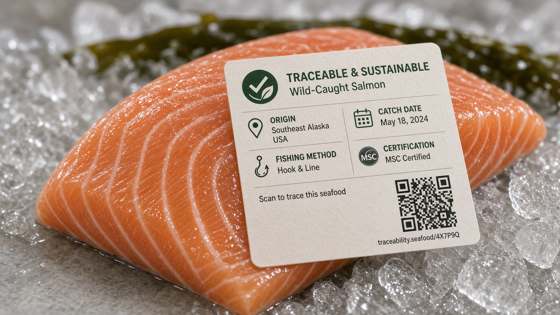
Back reform by choosing seafood that is independently assessed. The Seafood Watch and MSC programs evaluate fisheries on stock health and management, and our guide to choosing sustainable seafood shows how to use them. Support local fishers where you can through community supported fisheries.
Where does fuel fit into fisheries subsidies reform?
Fuel is a major cost for many boats, so it is a central issue; see fuel subsidies and fisheries for more. Fisheries subsidies reform will take years to bring results, but understanding it helps you read the news and the fish counter with a sharper eye.