Fuel subsidies and fisheries are linked because governments in many countries lower the price of diesel for fishing boats through tax breaks or direct payments, which can make it profitable to keep fishing even when fish are scarce. For shoppers, that can mean cheaper seafood in the short term and weaker stocks in the long term.
How fuel subsidies and fisheries interact
A fishing boat's profit depends on the cost of fuel, the price of fish and the size of the catch. If fuel is cheap, a vessel can travel farther and fish longer for the same cost. When a fishery is well managed with catch limits, a fuel subsidy mostly shifts money around. When management is weak, it can add to overfishing and overcapacity, meaning too many boats chasing too few fish. International bodies including the FAO and the World Trade Organization have discussed this link for years.
What the rules say
The WTO agreement
In 2022 WTO members adopted an Agreement on Fisheries Subsidies that prohibits support for illegal, unreported and unregulated fishing, for fishing of overfished stocks and for unregulated fishing on the high seas. Fuel subsidies are a broader issue and talks on further disciplines have continued. The WTO publishes the current status on its fisheries subsidies page, so check it for what is in force today.
Different countries, different policies
Some governments subsidize fuel heavily, some tax it normally and some support small-scale fishers specifically. Because details vary and change, it is difficult to say that any one species on your plate benefited from them. For the wider topic, see fisheries subsidies reform.
What it means for your shopping
- Very cheap imported seafood is not proof of a subsidy, but it is a reason to ask where and how the fish was caught.
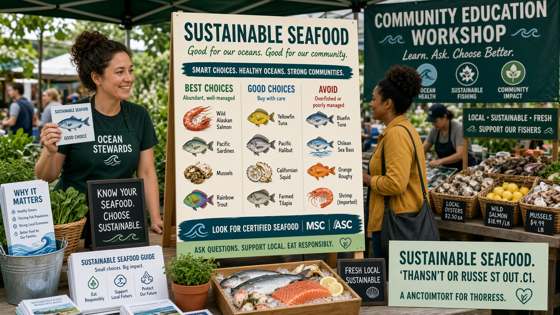
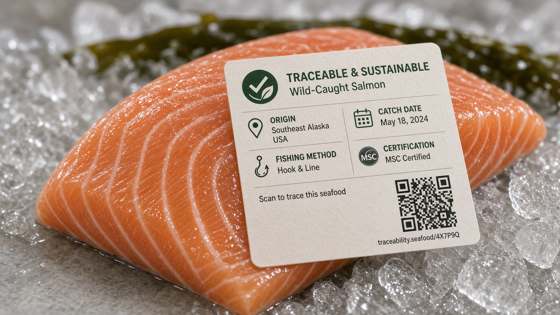
- Look for independently certified or rated products, such as those from the MSC or Seafood Watch, which assess stock health rather than economic support.
- Learn which stocks are healthy using FishWatch, and favor well-managed domestic fisheries.
Do fuel subsidies and fisheries support make seafood cheaper for you?
Sometimes, but not reliably. Prices are shaped by supply, demand, exchange rates, processing and shipping. Fuel subsidies and fisheries economics are one piece of the puzzle; see fuel costs and your seafood bill for what drives the final price.
Because you cannot trace a subsidy from a boat to a package, the most useful habit is to look at the stock and the management system. A fishery with strict catch limits, observers and enforcement limits the damage that cheap fuel can cause, while an open-access fishery with no limits is vulnerable. Some countries also use fuel tax exemptions to help small-scale fishers in remote communities earn a living, which is a policy goal many people support. This is why reform proposals often treat large industrial fleets differently from small boats.
If you want to read further, the NOAA overview of fisheries management in the United States explains how catch limits work for domestic fisheries, which are generally the easiest for shoppers to check.
The bottom line for buyers
You cannot see fuel subsidies on a label, so use proxies: choose certified fish, ask questions and avoid species with poor stock status. Reform of fuel subsidies and fisheries support is a slow political process, and consumer choices help keep pressure on.