Renewable energy on fishing vessels means using solar panels, wind-assisted propulsion, batteries or hybrid drive systems to cut diesel use at sea. For seafood buyers the topic matters because fuel is one of a fishing boat's biggest costs and a significant part of the climate footprint of some wild-caught fish.
Why fuel matters for the fish you buy
Fishing fleets burn fuel to travel, to tow gear and to run refrigeration. How much varies enormously by method: dragging heavy gear along the seabed generally uses more fuel per kilogram of fish than catching schooling fish in a net, and a small boat setting traps close to shore is different again. This is why carbon comparisons between species are not simple; see seafood carbon footprint comparisons and fuel costs and your seafood bill.
What renewable energy on fishing vessels looks like today
Solar and batteries for onboard power
Solar panels can supply lights, electronics and some refrigeration, reducing generator running time on small boats. They do not typically power the main engine of a large vessel.
Hybrid and electric propulsion
Some small coastal boats and ferries use batteries or hybrid systems, which suits short trips from a home port with shore charging. For long-range vessels, battery weight and range limits remain a challenge.
Wind assist and efficiency measures
Rigid sails, kites and rotors are being tested on cargo ships and some fishing vessels. In many fleets, the cheaper wins are simply cleaner hulls, better engines, slower speeds and more efficient gear. Efficiency is often the first step before any renewable technology.
What this means at the fish counter
Do not expect to see a "solar-powered" label soon. Most sustainability schemes focus on stock health and bycatch rather than energy source, and many fleets still run entirely on diesel. For the schemes that do exist, read our comparison of sustainable fishing certifications and check what each covers. The Marine Stewardship Council, for example, certifies fisheries on stock health, ecosystem impact and management, and does not set a requirement for renewable power; check its current standard for any changes.
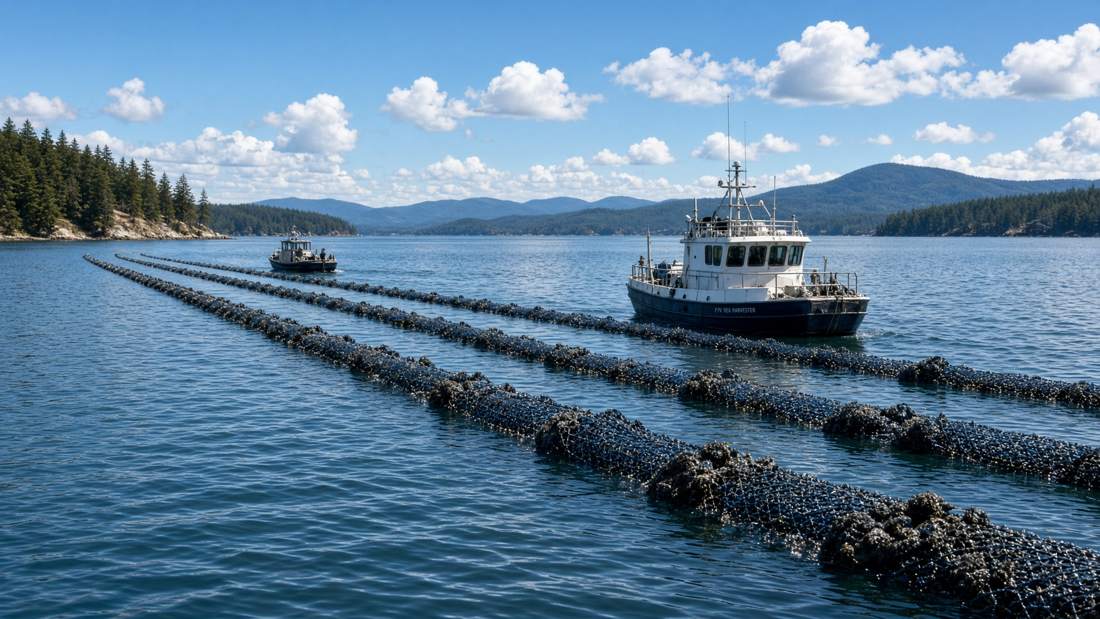
- Choose species and methods with lower fuel use where you can, such as farmed mussels or well-managed pole-caught fish.
- Buy in season and locally to avoid extra transport emissions.
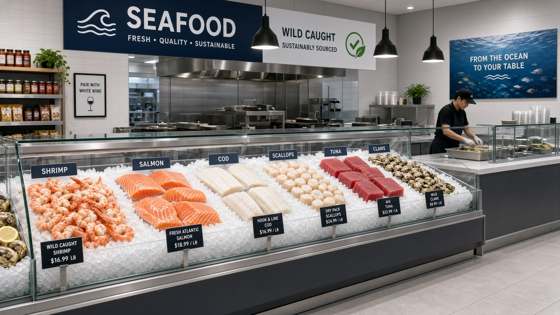
- Ask sellers about how the fish was caught.
Does renewable energy on fishing vessels change seafood prices?
Possibly in small ways over many years. Any technology that cuts diesel use saves the boat owner money when fuel prices are high, and may make a small fishery more resilient to price spikes. But the upfront cost of batteries, solar systems or retrofits is significant, and many owners operate on thin margins. Governments and development banks sometimes help with grants or loans, which is a different kind of support from fuel subsidies and has its own debates.
For shoppers, the practical signal is indirect. Fleets that invest in efficiency tend to be well organized and well managed, but investment alone does not show that the stock is healthy. Always check the species itself on Seafood Watch.
Also be wary of claims. If a seller says its fish is "carbon neutral" or "zero emission", ask what that covers: the boat only, the whole supply chain, or offsets. Without detail, treat it as marketing rather than fact.
Keeping perspective
Renewable energy on fishing vessels will probably make small, steady gains for boats and costs, but shoppers get larger benefits from choosing a healthy, well-managed stock than from the vessel's power source. The FAO publishes background on energy use in fisheries and aquaculture for those who want more detail.