Climate change and shifting fish stocks are closely linked: as ocean water warms, many species move toward cooler water, either north, deeper, or both, and the places where they are caught change with them. NOAA tracks the effects on US fisheries on its climate change page.
What shifting fish stocks look like
Fish are sensitive to temperature, and each species has a comfortable range. When the sea warms, some populations shift their range toward the poles or into deeper water, while others decline where conditions are no longer suitable. Scientists have documented northward shifts in a range of species in US waters, including some in the Northeast, and changes in the timing of spawning and migration. Exact patterns vary by species and region, so be skeptical of sweeping claims about any one fish.
Winners and losers among species
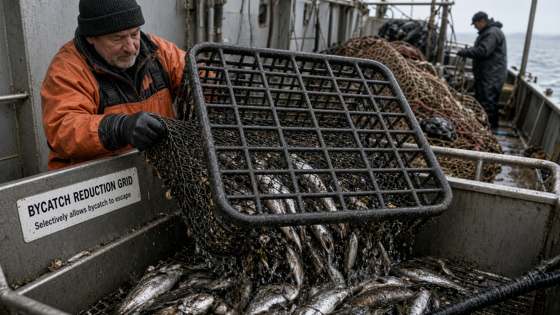
Warming does not harm every species equally. Some warm-water fish expand into new areas, while cold-water species can lose habitat. This is why you may see a southern species landed in a northern port, or a once-familiar local catch become scarce. For fishers, it can mean traveling farther, switching targets, or crossing management boundaries designed around old fish distributions.
Why this matters when you shop
- Prices can swing as a familiar species becomes harder to catch.
- New or unfamiliar species may show up, often at lower prices at first.
- Seasonal patterns may shift, so the "best month" for a fish may change.
- Rules can lag behind the fish, because quotas set for one region may not fit a stock that has moved.
Climate change and shifting fish stocks in the kitchen
A flexible cook is a resilient shopper. Learning to substitute one white fish for another, or one shellfish for a similar one, makes it easy to follow supply rather than fight it. Our guide to choosing fish at the market helps with the practical side, and ocean acidification covers a related chemistry problem that affects shellfish.
How fisheries are adapting
Managers are updating surveys, building climate information into stock assessments, and discussing how to share quotas as fish cross boundaries. This links to the broader approach in ecosystem-based fisheries management. Progress is uneven, and there are real trade-offs between communities that lose a traditional species and those that gain a new one.
What you can do
One example often cited in the Northeast is the American lobster, whose centers of abundance have moved northward as waters warmed, while southern New England stocks have declined. Check current NOAA reports for the latest picture, since conditions keep changing.
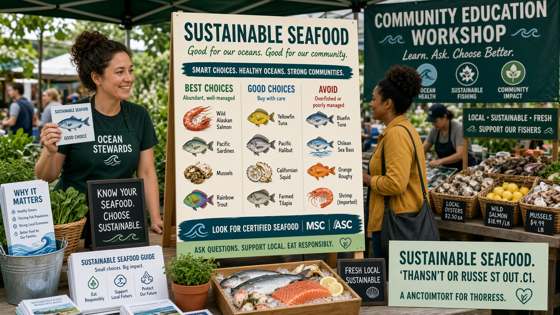
Check current ratings on Seafood Watch and stock status on FishWatch, since both change as science updates. Ask sellers what is local and in season, and be open to trying something new. Climate change and shifting fish stocks are not reasons to stop eating seafood, but they are good reasons to buy it with curiosity, flexibility and a preference for well-managed sources.