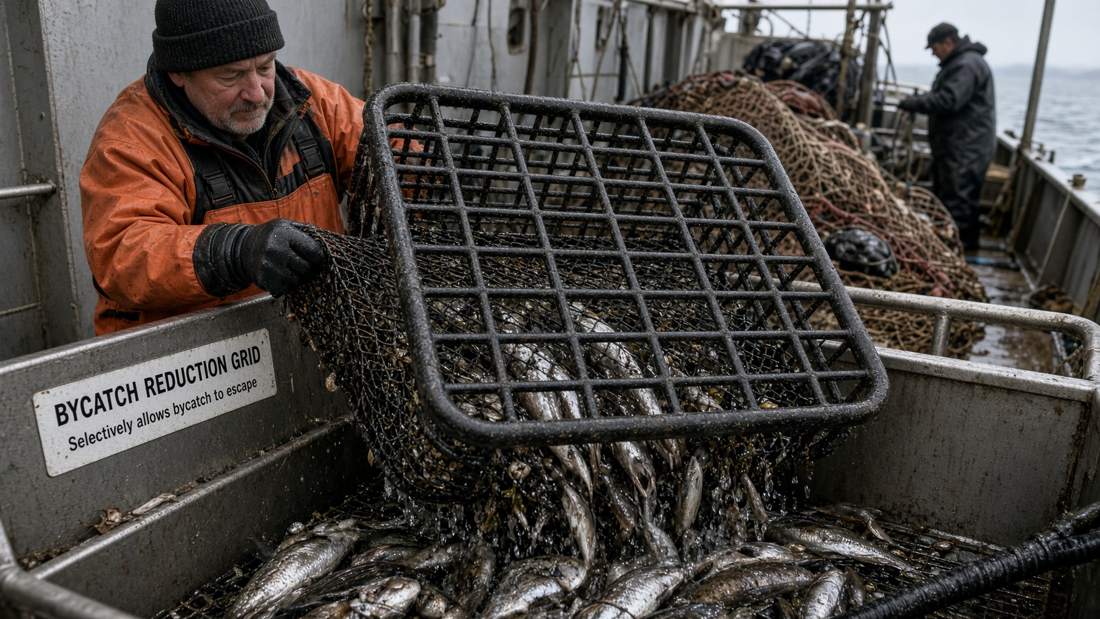
Overfishing means catching fish faster than the population can replace itself. When it continues, there are fewer and smaller fish each year, boats work harder for less, and the species on your plate can become scarcer and pricier.
What drives overfishing
Too much fishing effort
When more boats, bigger nets and better technology chase the same fish, catch rates can outrun natural reproduction. Even well-meaning fishers can collectively take too much if nobody sets and enforces a shared limit.
Weak or missing management
Where catch limits are not set, are set too high, or are not enforced, stocks decline. The FAO tracks the global picture in its State of World Fisheries and Aquaculture reports, available at the FAO site, and reports that a meaningful share of assessed stocks are fished beyond sustainable levels. Check the latest edition for current figures rather than relying on older numbers.
Illegal fishing and incentives
Fishing that ignores the rules makes management harder, which we cover in our IUU fishing guide. Subsidies that lower fishing costs can also encourage more effort than stocks can bear, a subject explored in subsidies reform.
What it means for the fish you buy
- Prices can rise for species that are getting harder to catch.
- Smaller average fish size may show up at the counter.
- Substitutions become more common when a favorite species is in short supply, which makes asking about the species name worthwhile.
Solutions that are working
Overfishing is not irreversible. In the United States, fisheries are managed with scientific catch limits and rebuilding plans, described by NOAA in its overview of US fisheries management. Some stocks that were once depleted have recovered under those plans, as we discuss in rebuilding depleted fish stocks.
Common tools include catch limits based on stock assessments, seasonal closures, gear rules that let young fish escape, protected areas, and monitoring on boats and at the dock.
How to avoid overfishing when you shop
- Look up the species and source on FishWatch or Seafood Watch before buying.
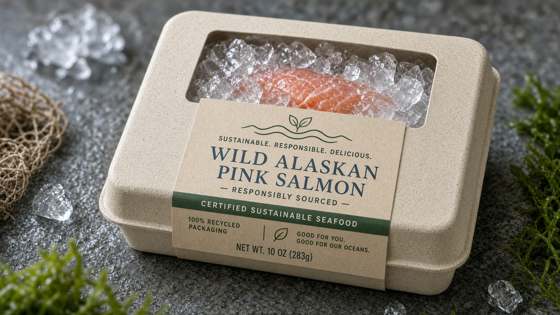
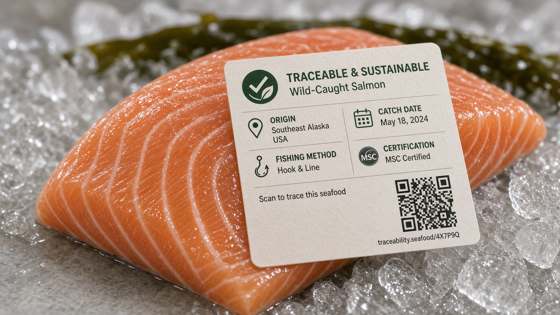
- Choose fish with a recognized certification, or ask where it was caught and under what management.
- Try abundant, lesser-known species instead of always buying the most popular ones.
- Be skeptical of a price that looks too good for a prized species.
Overfishing versus overfished: two terms worth knowing
How overfishing and overfished differ
US fisheries managers use two related terms. A stock is called overfished when its population has fallen too low. Overfishing describes the rate of catch being too high, whatever the current population. A stock can be healthy but subject to overfishing, which is an early warning, or overfished but no longer subject to overfishing because limits have been tightened and recovery has begun. When you read a rating or a news story, noticing which term is used tells you whether the issue is the population, the fishing pressure, or both.
Species that are slow to mature or live a long time generally take longer to bounce back, so the same fishing pressure can have very different consequences for different fish. That is one reason a single rule such as "avoid this fish" rarely fits all sources of one species.
No single shopper can end overfishing, but steady demand for well-managed fish gives responsible fisheries an economic reason to keep going. Making overfishing part of your buying questions is a practical, low-effort contribution.