Rebuilding depleted fish stocks means reducing fishing and protecting habitat so that an overfished population can grow back to a healthy size. In the United States, a stock classed as overfished triggers a legal requirement to put a rebuilding plan in place, with a schedule to restore it. NOAA explains the system in its overview of fisheries management.
How rebuilding depleted fish stocks works in practice
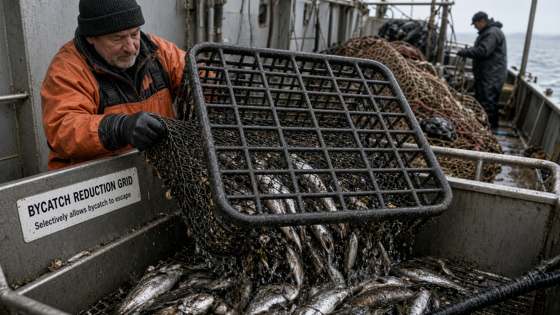
A typical plan sets much lower catch limits, sometimes combined with seasonal closures, gear changes or area closures, until the stock regrows. Scientists then reassess the stock regularly. Recovery time depends on the species: fast-growing, early-maturing fish can rebuild in a few years, while long-lived, slow-growing species can take decades.
Signs that rebuilding depleted fish stocks is working
- The population estimate rises over successive assessments.
- More young fish appear in surveys.
- Catch limits can be raised gradually without setting recovery back.
- Average fish size increases.
NOAA reports that a number of US stocks have been rebuilt under these plans, and publishes status information on FishWatch and in its stock status reports. Check those pages for the latest list, since status changes from year to year.
What recovery means for shoppers
While a stock is rebuilding, supply of that species is usually tighter, so fish may be pricier, smaller in volume or occasionally replaced by other species. Once a stock recovers, a fishery can often catch more again, which can bring prices and availability back toward normal. In other words, short-term pain can lead to longer-term stability.
Choosing during a rebuilding period
- Check the current rating for the species on Seafood Watch. Ratings may change as the stock improves.
- Consider a similar, healthier species in the meantime. Our guide to choosing fish at the market can help you decide.
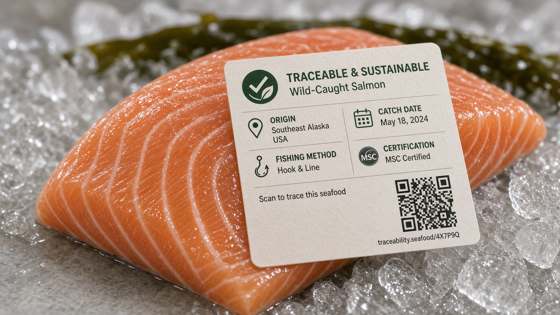
- Ask where and when a fish was caught, and whether it comes from a rebuilding stock.
- Be wary of unusually cheap supplies of a species known to be under recovery.
Why patience matters
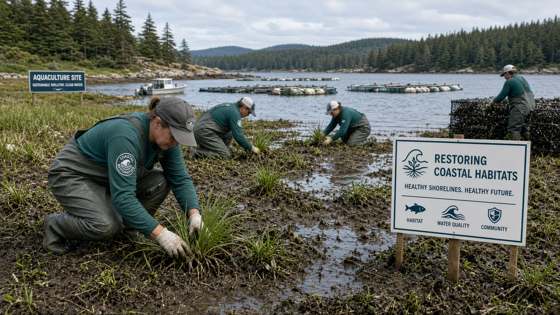
Rebuilding is not guaranteed. Stocks can fail to recover if fishing pressure continues, if habitat is degraded, or if conditions such as ocean temperature change, a problem discussed in climate change and shifting fish stocks. Recovery also depends on enforcement and on keeping illegal fishing in check.
What changes for anglers and cooks
Rebuilding plans can bring bag limits, size limits and closed seasons for recreational anglers as well as commercial boats. If you fish, check current local rules before you go, because they can be adjusted when assessments change. If you only buy fish, you may notice a species disappearing from menus or appearing in a different form, such as frozen or imported, during the recovery period. Both are signs that the system is working as intended, even if they are inconvenient at dinner time.
The encouraging message is that rebuilding depleted fish stocks has worked in many cases when rules were firm and sustained. As a shopper, you can support that by choosing species with a healthy status, giving recovering species a rest where you can, and returning to them when assessments say they are ready.