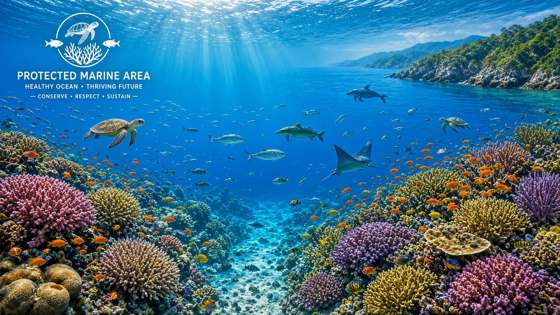
Marine protected areas are parts of the ocean set aside with rules that limit some or all human activities in order to protect ecosystems and species. NOAA describes the concept and its variety in its marine protected areas explainer, and keeps a national inventory at the National Marine Protected Areas Center.
Not all marine protected areas are the same
The label covers a wide range. Some areas ban all extraction, often called no-take zones. Others allow certain gear or seasonal fishing, or only restrict specific activities such as bottom trawling or oil development. This means that the phrase "protected area" does not automatically mean "no fishing allowed," so check the actual rules for any area you read about.
Marine protected areas and spillover
One reason fishers sometimes support closures is spillover. Inside a well-protected area, fish can grow larger and live longer, and larger fish produce many more young. Eggs and larvae drift out, and adult fish can move across the boundary, potentially boosting catches nearby. The benefit depends on the species, the size and location of the area, and how well it is enforced, and it is not guaranteed.
Why this matters when you shop
- Protected nursery or spawning areas can help keep populations productive, supporting long-term supply of the species you like.
- Gear restrictions in sensitive habitats can reduce the damage linked to certain methods, see the bottom trawling debate.
- Short-term closures can reduce local supply, sometimes nudging prices up for a season.
How protected areas fit with fisheries management
MPAs are one tool among several. They work best alongside catch limits, gear rules and monitoring, which is the broader approach described in ecosystem-based fisheries management. They are less effective if fishing simply moves just outside the boundary without limits, or if illegal fishing goes unchecked, a problem discussed in our IUU fishing guide.
What the evidence suggests, with caution
Studies of well-enforced, fully protected areas often show more and larger fish inside than outside, but results vary and depend heavily on enforcement and design. Be careful with simple claims in either direction, whether that closures always raise catches or that they always hurt fishers.
Using this when you buy fish
Reading the rules for a particular area
If you want to know what an area actually allows, look for its management plan or regulations rather than the name alone. Ask: is any fishing allowed, and if so which gear and species? Are there seasonal closures? Is the area monitored? Names such as sanctuary, reserve, park or monument do not tell you the rules, because different agencies use them differently. NOAA's inventory linked above lets you look up a site and see its restrictions and goals.
Closures that are temporary
Not every restriction is permanent. Some areas close seasonally to protect spawning fish, or rotate closures to let habitat recover. Seasonal closures are one reason a favorite fish may disappear from the counter for a few weeks and then return.
How protected areas can affect prices and variety
- Short term: closing a fishing ground can reduce catches for the boats that used it, which may tighten supply of certain species locally.
- Longer term: if the closure helps a stock recover, catches nearby may improve, though this takes years and is not guaranteed.
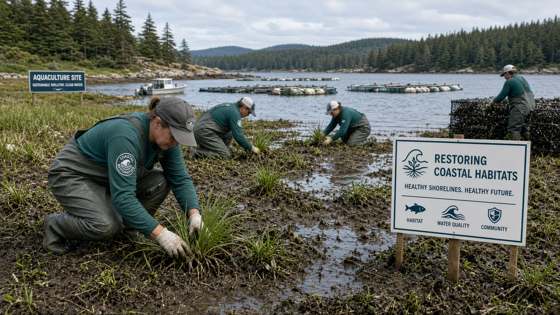
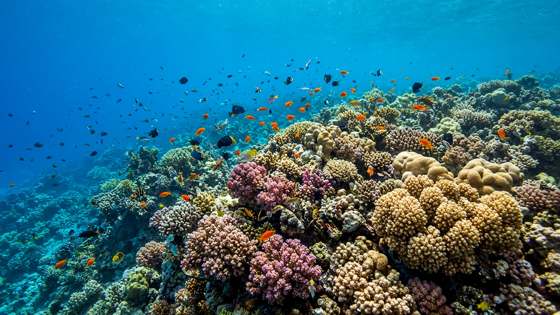
- Habitat: protecting seagrass, reefs or kelp can support nursery areas for fish and shellfish that end up on your plate.
- Variety: if bottom-contact gear is restricted, you may see more fish caught by hook and line or trap.
What shoppers can do
- Choose species that are rated well by guides such as Seafood Watch, which factor in habitat and management.
- Ask local sellers where their fish was caught and how, especially if you live near a protected area.
- Be flexible: when one species is off the menu for a season, try another that is plentiful.
- Support sellers who share information about their fishery.
Common questions
Do marine protected areas mean less seafood?
Not necessarily. They can reduce catch in the closed zone, but they sit within a wider system of management, and their purpose is to keep fish populations and habitats healthy over time.
Is fish from near a protected area safer to eat?
Not in itself. Safety depends on handling, species and local advisories, so check guidance such as the FDA's advice about eating fish.
Where can I learn about a specific area?
Start with NOAA and with the managing agency for your coast or state, which publish maps and rules for each area.
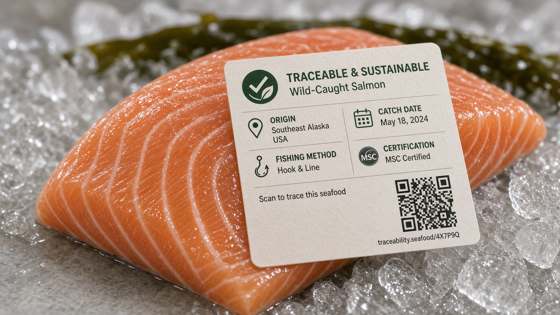
You will not usually see a protected area on a label, but you can ask whether a fishery operates under area closures or gear restrictions, and favor sources that publish their management details. Resources such as FishWatch explain how specific US fisheries are managed. Understanding marine protected areas helps explain why a well-managed fishery sometimes closes certain waters, and why that can be good for next year's catch.