Kelp forests and carbon capture are often mentioned together, because kelp grows quickly and takes up carbon dioxide as it photosynthesizes. How much of that carbon ends up stored for the long term is still a matter of scientific debate, so shoppers should treat bold carbon claims with caution.
Why kelp forests matter for seafood
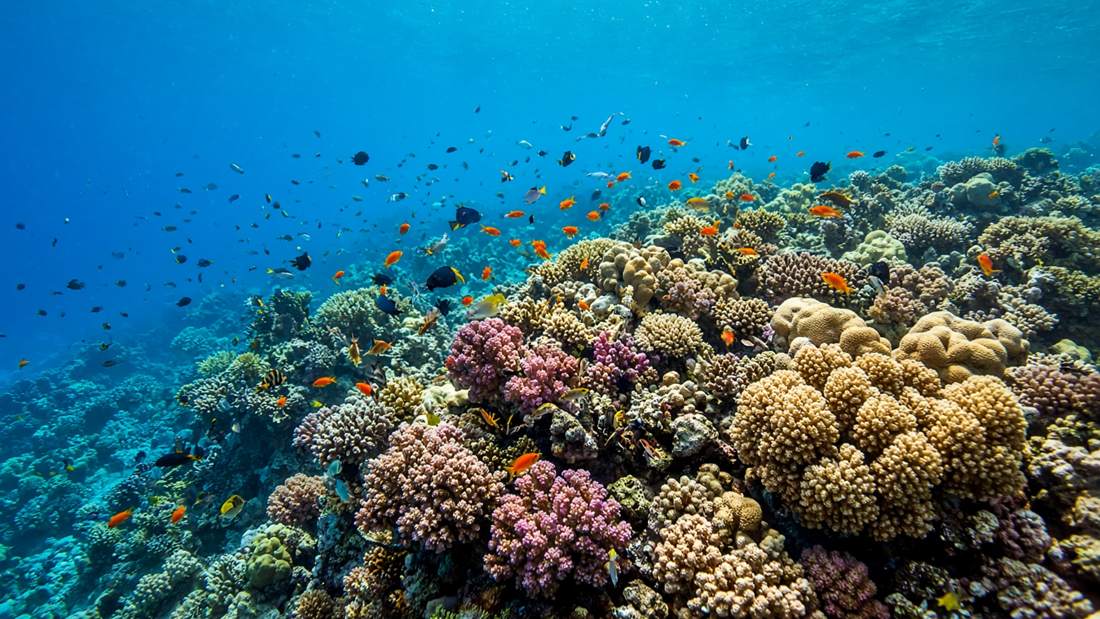
Kelp forests are underwater stands of large brown seaweeds along cool coasts. They shelter young fish, crabs, lobsters and abalone and support food webs that sustain commercial and recreational fisheries. Where kelp declines, species that depend on it may decline too. Documented losses have occurred in several regions, including on part of the northern California coast, where marine heatwaves and a surge in sea urchins contributed to heavy loss of bull kelp in the mid-2010s.
How kelp forests and carbon capture are connected
What happens to the carbon
Kelp takes up carbon as it grows. Some is eaten, some is released again when kelp decays, and some drifts into deeper water or sediments. Researchers are still working out how much is locked away for decades or longer, and the answer likely differs by region. Because of this uncertainty, scientists urge care in claiming that planting or farming kelp will offset a specific amount of emissions.
Kelp farming
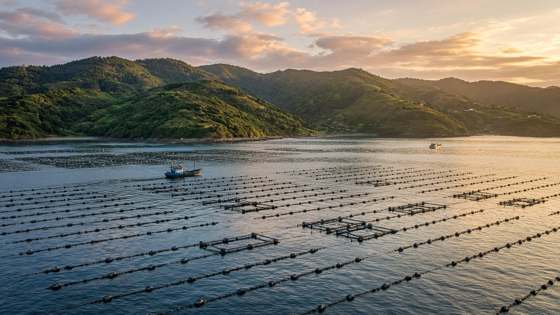
Farmed kelp is grown on ropes and harvested for food, fertilizer and other products. When harvested, the carbon is not simply stored. It moves into whatever the kelp is used for. Farming can still provide benefits such as nutrient uptake and habitat, and it produces a food that needs no feed or fresh water. See restorative aquaculture for the wider picture.
What this means for shoppers
- Enjoy kelp and other sea vegetables as food, but do not expect that buying them cancels out your carbon footprint.
- Be wary of products that promise a precise amount of carbon removal without explaining how it is measured.
- Choose seaweed from named, well-managed farms or harvests, and check for food-safety information such as iodine content on the label, since seaweeds can contain a lot of iodine.
How climate change affects kelp forests and carbon capture
Warmer water, marine heatwaves and changing ocean chemistry can stress kelp, and that is also an issue for fish stocks that depend on it. Read more in climate change and shifting fish stocks. The FAO publishes information on seaweed production, and NOAA's aquaculture pages include seaweed farming in the United States.
For a food shopper, the real effect of healthy kelp is often felt through fish and shellfish. Kelp beds are nursery grounds for species that people eat, and when they thrive, so can the fisheries linked to them. That is why restoration work, such as controlling urchin numbers or replanting kelp, is a fisheries issue as much as a climate one. Results are mixed and depend on local conditions, and long-term recovery is not guaranteed.
As for kelp as food, it is increasingly available fresh, dried, frozen or in snacks, noodles and seasonings. It is low in calories and rich in minerals, though high iodine content means people with thyroid conditions should check with their doctor before eating it often. Taste varies by species, from mild and slightly sweet to strongly briny.
In short, kelp forests and carbon capture are a topic where evidence is still developing. The sensible approach is to value kelp for its role in coastal ecosystems and food, support careful restoration, and let the science settle the carbon question.
A balanced takeaway
Kelp forests and carbon capture matter for fish, food and coastal ecosystems, with possible but still uncertain climate benefits. Support healthy kelp by choosing seafood from well-managed sources and seaweed from careful growers, and read bold claims with patience.