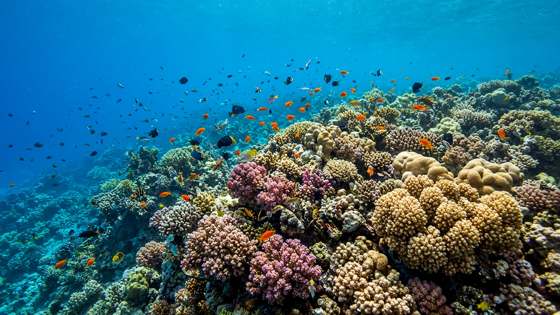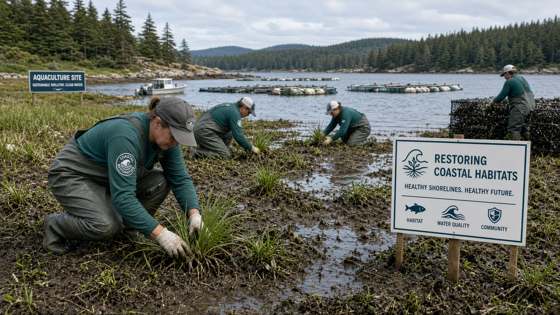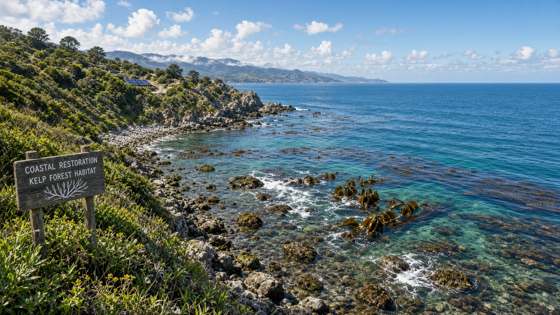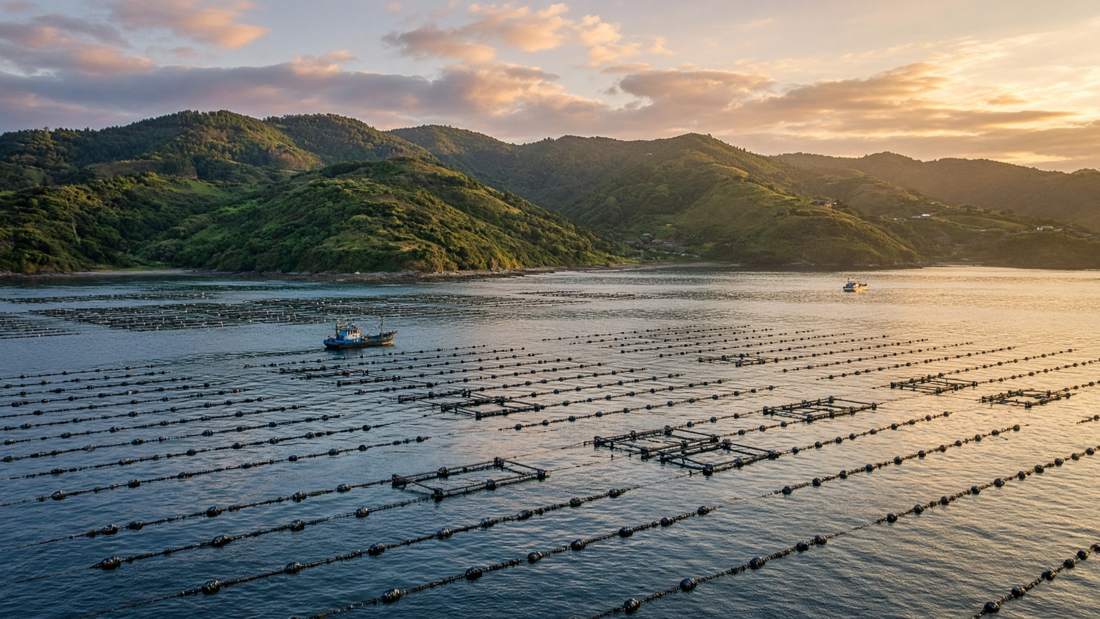
Restorative aquaculture is farming of shellfish and seaweed that is intended to deliver environmental benefits alongside food, such as removing excess nutrients from the water, providing habitat and supporting reef recovery. It is a hopeful idea and a real one, but the benefits depend heavily on where and how a farm operates.
What restorative aquaculture includes
Shellfish farming
Oysters, clams and mussels are filter feeders. They take in plankton and particles from the water and need no added feed. Oyster reefs and cages can provide shelter for small fish and invertebrates, and shellfish can take up nitrogen as they grow. Some projects also grow oysters for reef restoration rather than for sale.
Seaweed farming
Seaweeds absorb nutrients such as nitrogen and phosphorus as they grow, and can be harvested for food, fertilizer and other products. See seaweed farming opportunities and challenges for an overview of where it works well.
Why restorative aquaculture claims need care
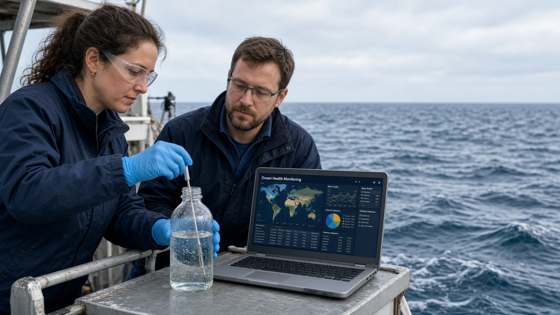
Scientists generally agree that well-sited shellfish and seaweed farms can have lower impacts than most other food production, but how large the benefits are varies by site, density and local conditions. Nutrient uptake is only a benefit when the nutrients are removed from the system, for example by harvesting the animals or plants. Poorly sited farms can still change local habitats or conflict with other uses. This is why planning matters; see marine spatial planning.
Where restorative aquaculture fits in the bigger picture
It is not a replacement for cleaner water and lower pollution at the source. It works best alongside efforts to reduce runoff and wastewater. The NOAA aquaculture program provides background on shellfish and seaweed farming in the United States, including its role in restoration.
How to buy restorative aquaculture products
- Look for farmed oysters, mussels, clams and seaweed from named local farms or from ASC-certified sources.
- Check ratings on Seafood Watch, which often lists farmed bivalves favorably, though source and method matter.
- Buy shellfish only from reputable sellers, since safety depends on harvest-area classification. See the Interstate Shellfish Sanitation Conference for the safety framework.
- Store live shellfish cold and cook them properly.
What are the limits of restorative aquaculture?
There are several. Farms in polluted water may produce shellfish that cannot be harvested safely, so water quality comes first. Warm water can increase disease and harmful algae risks, as explained in our guide to algae blooms and farm management. Ocean acidification can make it harder for young shellfish to build shells, which is a concern for hatcheries and growers; see ocean acidification and shellfish.
It is also fair to ask who benefits. Community-run farms can provide jobs and food security, and some programs hire fishers who have lost income from declining wild stocks. Large-scale projects need transparent monitoring so that claims about restoration are tested rather than assumed.
When a brand claims to be restorative, ask what has been measured. Credible claims point to specific monitoring results, certification or partnerships with scientists or conservation groups.
Eating your way toward better practice
Because shellfish are inexpensive in many regions and need no feed, they are a sensible everyday choice. Some people with weakened immune systems or liver disease should avoid raw shellfish; check the FDA's advice. Choosing restorative aquaculture products supports farmers whose methods fit the idea, as long as you ask for details and check them.