Algae blooms and farm management matter to shoppers because certain blooms produce natural toxins that can make people ill if they eat contaminated shellfish, and a bloom can also force a farm to stop harvesting. Understanding the difference between a harmless green bloom and a harmful one helps you buy with confidence and explains sudden price swings.
Algae blooms and farm management: not every bloom is a problem
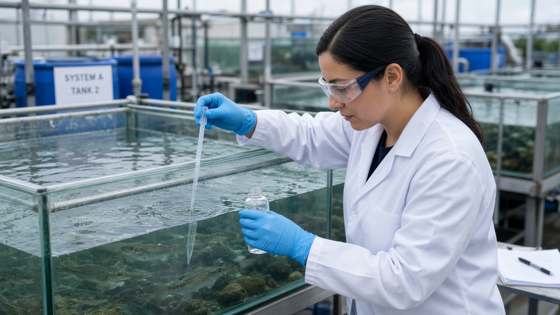
Algae are the base of the marine food chain, and most blooms are harmless. A harmful algal bloom, sometimes called red tide when the water discolors, involves species that produce toxins or that deplete oxygen when they die and decay. Some blooms are not even visible, which is why monitoring is done with water and shellfish testing rather than eyesight.
Shellfish are the main concern
Clams, mussels, oysters and scallops filter water and can concentrate algal toxins in their tissues. These toxins are not destroyed by cooking, freezing or rinsing, so cooking an unsafe oyster does not make it safe. That is why shellfish safety relies on testing and harvest closures rather than on kitchen technique. In the United States, states classify growing waters and close areas when toxin or bacteria levels rise, working within a national program supported by the Interstate Shellfish Sanitation Conference.
The practical result is reassuring: commercially harvested shellfish from approved waters is tested and tracked. The risk is mainly with shellfish gathered recreationally from closed or unmonitored areas. Always check the local health department before digging clams or picking mussels yourself.
How algae blooms and farm management work for shellfish farms
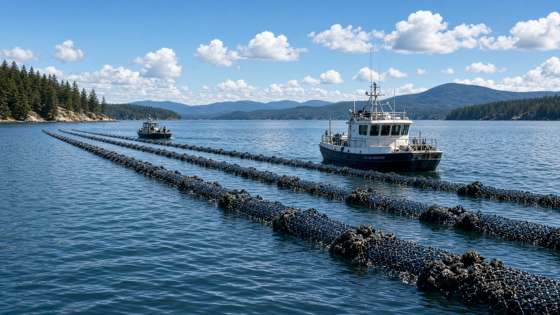
When monitoring shows toxins above safe limits, authorities close the area and farms cannot sell product until testing shows levels have dropped. Some farms move gear, delay harvest or hold product in cleaner water. This is the reason you may see oysters or mussels from one region disappear for weeks, and why prices rise when supply tightens. See our overview of oyster farming for how growers plan around these events.
What about farmed fish?
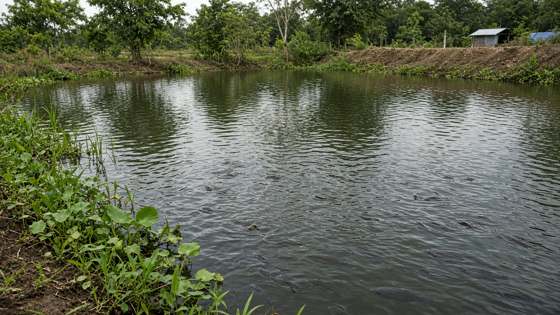
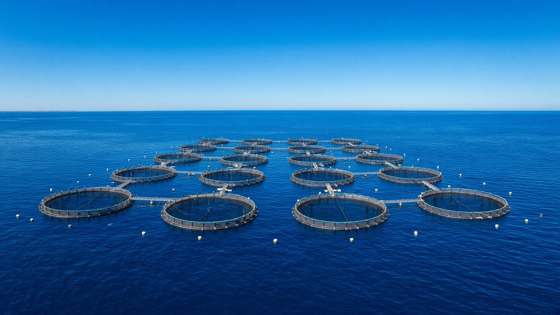
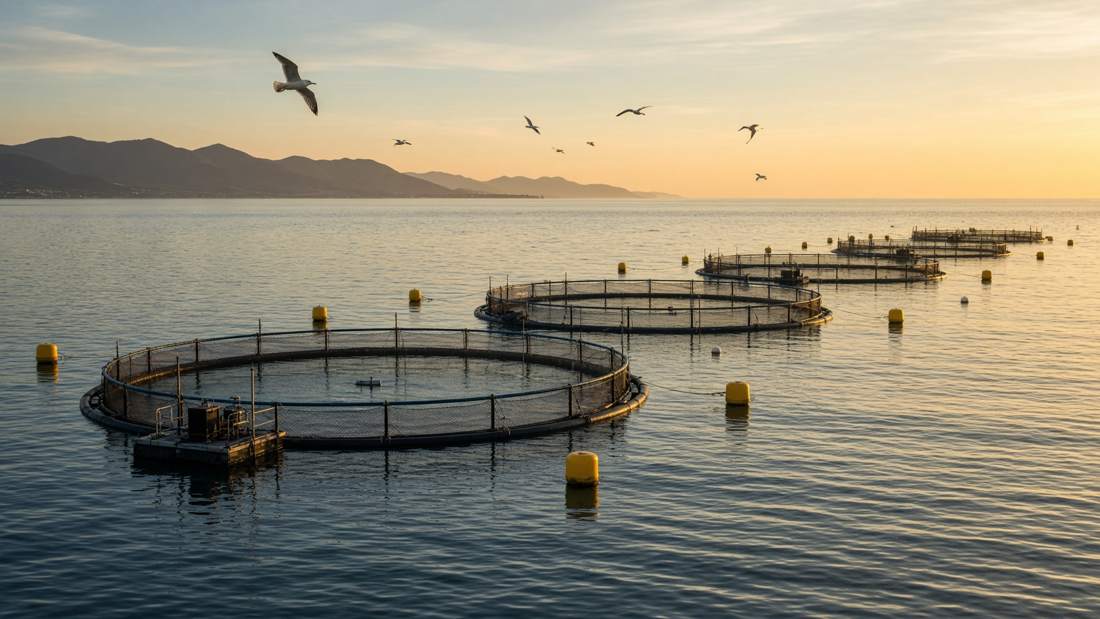
For finfish, the main risk from blooms is to the fish themselves. Some algae clog gills or strip oxygen from the water, and farms in open water may lose fish during a bloom. Farms respond by monitoring water, moving or sheltering pens where possible, using aeration or bubble curtains in some sites, and stopping feeding when fish are stressed. Toxins from blooms generally accumulate in the guts of fish rather than the fillet, but some marine toxins, such as ciguatera in certain tropical reef fish, are a separate concern and are not related to farming. When in doubt, check current advice from local health authorities. Our guide to oxygen management in fish ponds explains the pond version of this challenge.
How to buy safely during a bloom season
- Buy shellfish from retailers who can tell you where it was harvested; commercial shellfish carries a tag with harvest location and date.
- Avoid any unlabeled or roadside shellfish when a local advisory is active.
- Ask about origin if you see unusually cheap oysters or mussels during a closure season.
- Choose live shellfish with tightly closed shells, and discard any that stay open when tapped.
- Follow the FDA advice on eating fish and check state health pages for current notices.
Symptoms and what to do
Shellfish toxin illnesses can cause tingling, numbness, digestive symptoms or neurological signs, and severity varies. If you think you ate contaminated shellfish and feel unwell, seek medical help promptly and tell the provider what you ate. Keep any leftovers or packaging for reference, and report the source to your local health department.
With commercial supply, the safety net is strong: tracked harvests, tested waters and quick closures. Understanding algae blooms and farm management lets you shop calmly, enjoy shellfish in season, and skip the bargain that has no tag.