Aquaculture in urban spaces means raising fish or shellfish in tanks inside warehouses, shipping containers, rooftop greenhouses and similar city locations, instead of in rural ponds or open water. For shoppers it promises very fresh, local seafood with a clear origin, but it comes with trade-offs in cost that are worth understanding before you buy.
How city fish farms work
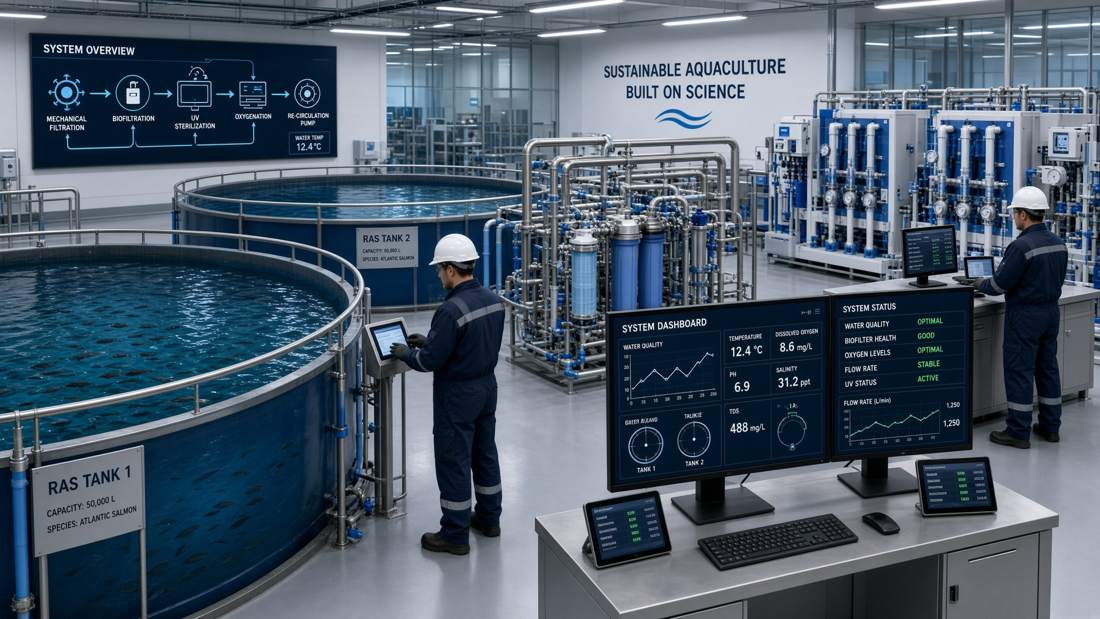
Most urban farms use recirculating tank systems, where water is cleaned and reused so the farm needs little fresh water and can sit far from the coast; see recirculating aquaculture systems. Others combine fish with plants in aquaponics, where fish waste feeds vegetables, as described in aquaponics: fish and plants together. Common species include tilapia, trout, barramundi, shrimp and, in larger indoor facilities, salmon.
What aquaculture in urban spaces offers shoppers
- Freshness. Short distances mean fish can reach stores or restaurants within a day of harvest.
- Traceability. You can often learn the exact facility and sometimes tour it.
- Lower escape and parasite risk. Fish are in closed tanks, with no contact with wild fish.
- Less transport. Shorter shipping can cut miles, though overall footprint also depends on energy use.
- Year-round supply. Indoor conditions are controlled regardless of season.
The trade-offs of aquaculture in urban spaces
- Price. City real estate, electricity and equipment are expensive, so fish is often priced above field-raised or imported alternatives.
- Energy. Pumps, heating, cooling and lighting use power. Facilities that run on renewable energy have a better footprint; see renewable energy in aquaculture.
- Taste. Well-run tank systems produce clean-tasting fish. Poorly managed ones can develop earthy flavors, so quality varies.
- Scale. Output is limited, so you may find urban farm fish only at specific stores, markets or restaurants.
How to judge a product
- Ask for the name of the farm and the species, and how it was fed.
- Look for fresh smell, firm flesh and bright color.
- Check for certifications or independent ratings; Seafood Watch rates indoor systems by species and method.
- Compare price per pound with other farmed choices before committing.
Is it sustainable?
It depends. Closed systems limit escapes and discharge, which is a major plus. But feed, energy and waste handling still matter, and the same farmed fish concerns apply; see environmental impact of fish farms. Look at the farm's energy source and feed policy, and check ratings rather than relying on the word "local."
Where to find it
Urban farm fish usually sells through farmers markets, specialty fishmongers, restaurants and direct delivery or pickup from the farm. Some farms offer tours or open days, which is a good way to see the tanks and ask about feed, water and harvest. Subscription boxes can bring the price down compared with single purchases.
Safety and handling
Treat urban-farmed fish like any other seafood: keep it cold, cook it to 145 F (63 C), and follow the FDA safe handling guidance. If you plan to eat it raw, ask the seller whether it is suitable for raw use rather than assuming. NOAA's FishWatch has species basics.
Aquaculture in urban spaces is a promising source of very fresh fish near where people live. If the price fits your budget and the farm is open about methods, it can be a good choice, and it is worth a taste test against your usual option.