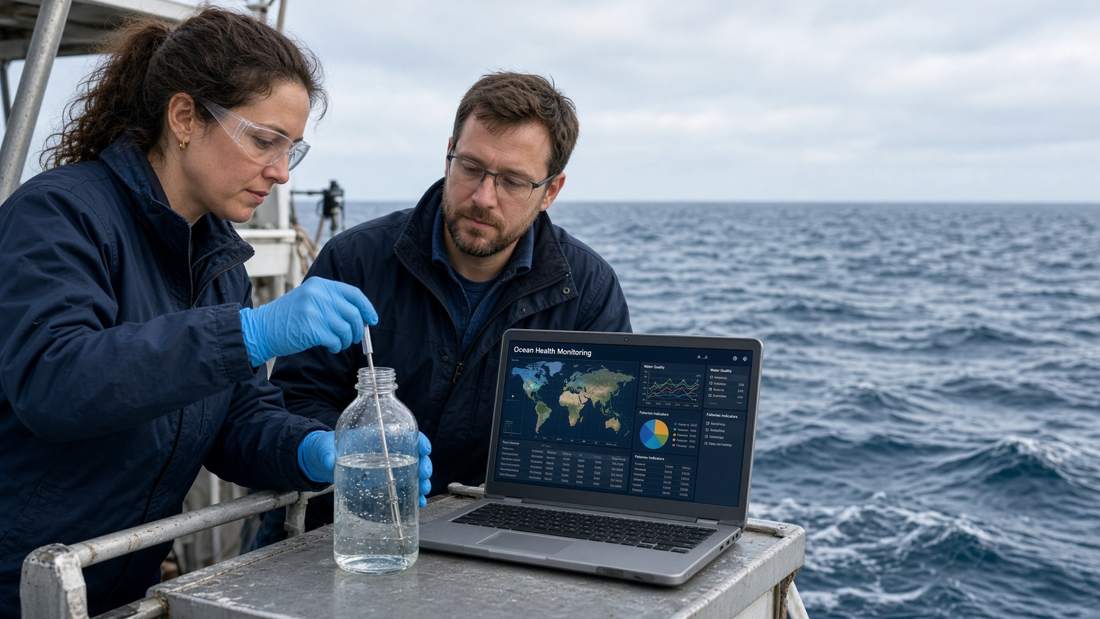
Citizen science and fisheries data go together because managers cannot be everywhere. Volunteers such as anglers, divers, boat owners, shellfish growers and beach walkers can add observations that fill gaps in official surveys, and that information can influence the status and ratings of the fish you eat.
Why fisheries managers need more data
Decisions about catch limits rely on stock assessments, which depend on landings records, scientific surveys and biological samples. For many stocks, particularly small or data-poor ones, information is limited. The NOAA overview of fisheries management describes how science informs catch limits in the United States, and why gaps matter. Weak data tends to lead to cautious limits or uncertain ratings.
How citizen science and fisheries data are collected
Anglers and boat owners
Some programs invite recreational anglers to log catches, measure fish, return tags or report sightings. Tag-and-recapture work can reveal growth and movement. These records are useful when combined with official surveys, although volunteer data needs to be checked for consistency.
Divers, kayakers and beach walkers
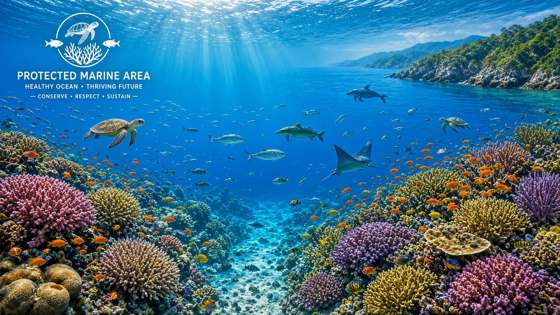
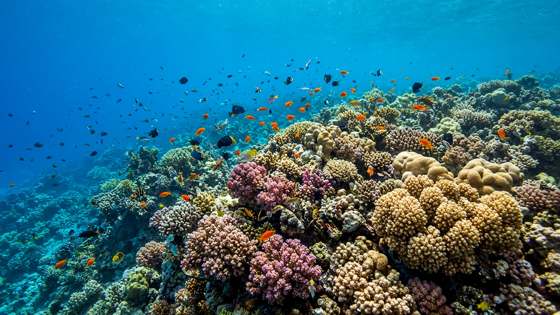
Underwater surveys of reefs and kelp, and observations posted to platforms such as iNaturalist, can show where species are appearing or disappearing as waters warm. See climate change and shifting fish stocks for why such changes matter.
Water and shellfish monitoring
Volunteers sometimes help collect water samples or report harmful algal bloom signs to local agencies. Official shellfish safety decisions are made by regulators, not volunteers; see algae blooms and farm management.
What it means for seafood shoppers
- Better data can improve ratings and stock assessments over time, so a once-uncertain species may become easier to buy with confidence.
- Local observations can alert managers to problems earlier.
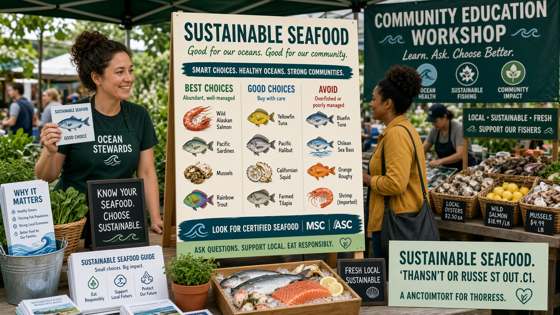
- Shoppers can ask whether a retailer supports local data projects or fishery improvement work.
How can you take part in citizen science and fisheries data?
Look for local programs run by universities, state wildlife or marine agencies, aquariums or conservation groups. If you fish, follow the regulations and report accurately; if you dive or walk the shore, photographs with location details are valuable. Check that any program has clear data protocols and privacy policies before sharing information. Our article on the role of NGOs in fisheries also covers some groups that run such projects.
Why does this matter for the fish you buy?
Seafood ratings and catch limits are only as good as the information behind them. When a stock is poorly understood, assessors often take a precautionary approach, which can lead to a lower rating or tighter limits. When better information arrives, a stock may turn out healthier than feared, or worse, and the advice to shoppers changes accordingly. This is why ratings are updated and why you should check the current listing at Seafood Watch or FishWatch instead of relying on memory.
Citizen contributions also support local seafood. Fishers and community groups that collect their own data on catches, sizes and conditions can show managers what they see on the water, and sometimes use it to make the case for rules that fit local conditions. Some community supported fisheries involve customers directly; see community supported fisheries explained.
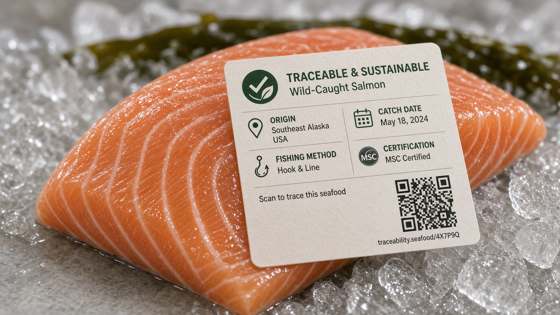
If you are not an angler or diver, you can still help by buying seafood from sellers who share information about their catch, and by encouraging schools, aquariums and local councils that run monitoring projects. Even reading and sharing accurate material helps counter confusion about what is happening to fish stocks.
Limits to keep in mind
Volunteer data is valuable but uneven: it tends to cluster where people are, and it can be biased toward favorite species. Scientists treat it as a complement, not a replacement, for structured surveys. For global context, the FAO notes how limited data is in many fisheries. The best summary of citizen science and fisheries data is that many careful observers can help scientists see more of the sea.