Reducing plastic in seafood packaging is harder than it sounds, because the film, trays and absorbent pads around fish are doing real jobs: keeping juices contained, blocking air and slowing spoilage. The goal for shoppers is to cut avoidable waste while keeping fish cold, clean and safe.
Why seafood uses so much packaging
Fish is highly perishable, and its liquid can contaminate other foods. Vacuum packs and modified-atmosphere packs extend shelf life by limiting oxygen, and frozen products use film or bags to prevent freezer burn. You can read about the technologies in our guides to vacuum sealing and modified-atmosphere packaging. Losing a spoiled fillet is also a waste, and food waste has its own environmental footprint, so the lowest-plastic option is not always the lowest-impact option.
Practical ways to cut plastic in seafood packaging
At the fish counter
- Ask whether staff can place your order in a clean container you bring, if local rules and the shop's policy allow it. Some shops will not, so ask first and keep the container cold.
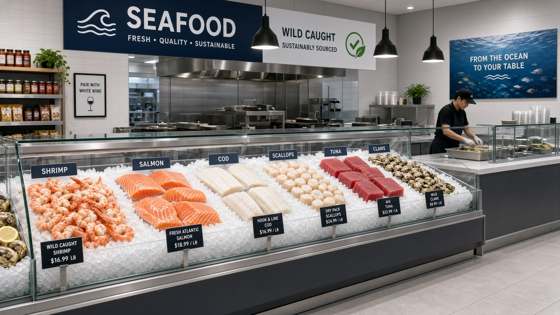
- Choose paper-wrapped portions where offered, then use your own bag for the journey home.
- Buy the quantity you need, since oversized portions often end up thrown away.
In the freezer aisle
- Large bags of individually frozen fillets use less packaging per meal than small trays.
- Look for packaging marked recyclable and check your local program, as film plastics are often not accepted at curbside. Some stores collect plastic film at drop-off bins, but acceptance varies.
At home
- Reuse clean, sturdy containers and glass jars for storage..
- Keep the original vacuum pack until you are ready to cook, since it may be doing useful work. Follow the use-by date and storage instructions on the label.
What not to compromise on when reducing plastic in seafood packaging
Never sacrifice the cold chain to save a bag. Fish should travel home cold, in an insulated bag with a cold pack if the trip is long. Guidance on safe handling is available from the FDA advice about eating fish and the FishWatch consumer pages. See our article on reducing waste in seafood retail for how shops approach the same problem.
Which packaging choices matter most for reducing plastic in seafood packaging?
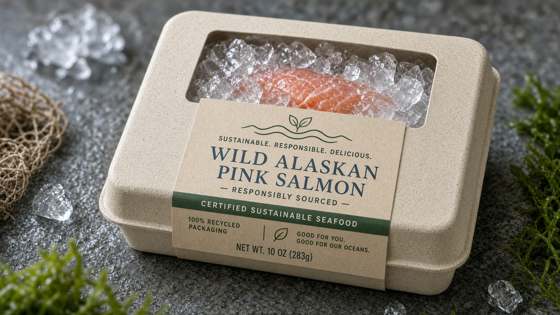
Not all plastic is equal. A thin vacuum film that keeps a fillet fresh for several extra days may prevent more waste than a rigid tray with an absorbent pad that you throw away immediately. The packages most worth avoiding are ones that add layers without extending freshness: foam trays under already-wrapped fish, multiple small bags inside one large bag, and individually wrapped portions of items you will eat together. Where a retailer offers choices, ask for the lighter pack.
Canned and pouched seafood is a useful comparison. Cans are widely recyclable in many areas and keep fish stable for a long time without refrigeration, which cuts spoilage. Pouches are lighter to ship but are usually not recyclable curbside. Check your local program before assuming either way.
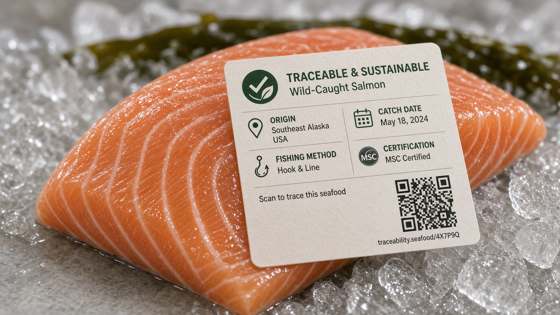
Ice is another overlooked item. Fresh fish sold on ice at a counter needs no plastic tray at all, and you can ask for it wrapped in paper. Pack a cooler bag in the car on warm days.
A realistic approach
The most useful step toward reducing plastic in seafood packaging is simple: buy what you will cook, bring your own bag and cold pack, and reward shops that offer lower-plastic options. Small habits repeated every week add up more than a single perfect purchase.