Fish waste to value is the idea of treating trimmings, bones, shells and unsold stock as raw material rather than rubbish, so fewer resources are lost between the sea and your plate. In a circular economy, one stage's leftovers feed the next, and shoppers play a bigger role than they might expect.
Where seafood is lost
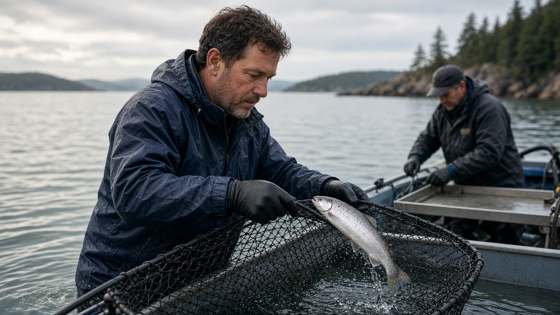
Losses happen at several points: fish discarded at sea, damage during handling, spoilage in distribution, unsold stock at stores and uneaten food at home. The FAO has reported on food loss and waste across the fisheries sector, and the exact share varies by region and species. For shoppers, the most controllable stage is the last one.
How fish waste to value works in practice
Industrial uses
Processors can turn trimmings into oils, proteins, collagen, pet food and fertilizers. This is explained further in our piece on byproduct utilization in seafood processing. Some companies are also developing leather-like materials from fish skin and energy from waste, although these are small markets and scale varies.
Retail uses
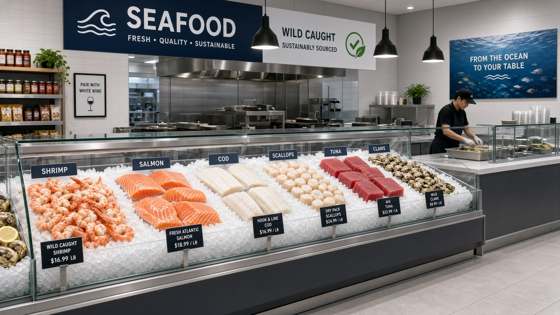
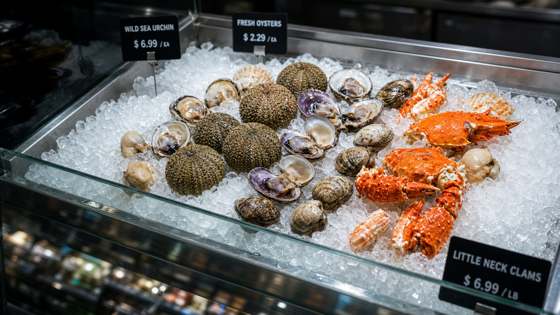
Shops can sell trimmings as bait, frames for stock, fish cakes from offcuts, or prepared meals made from fish approaching its sell-by date. Others donate safe, in-date product to food banks where local rules allow. These practices save money and keep the price of fresh fish lower than it would otherwise be.
Household uses
At home, a circular approach means buying only what you will cook, freezing the rest promptly, and using bones and shells. See freezing fish techniques for how to freeze without losing quality.
Easy ways to waste less fish
- Plan meals before shopping and buy fresh fish for the first one or two days, frozen for later.
- Check use-by dates, and keep fish at the coldest part of the refrigerator.
- Cook leftovers within the time recommended by food-safety guidance, and discard anything that smells off. Check the FDA's seafood guidance for details.
- Turn cooked fish into cakes, chowder or pasta, and use shrimp shells for stock.
What can a household do about fish waste to value?
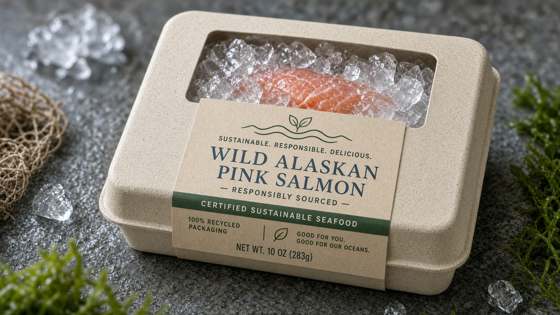
Beyond planning, think about the whole trip: buy at a counter that sells fish near its freshness window at a discount (ask whether they reduce prices on in-date fish), and cook it that day or freeze it at once. Wrap portions tightly to prevent freezer burn, label with the date, and use frozen fish within the time suggested on the pack or by food-safety guidance.
Shells and bones are the part most people discard. Shrimp, crab and lobster shells make flavorful stock; fish heads and frames make a clear, light broth. Both freeze well in tubs, so keep one in the freezer and add scraps until you have enough for a pot.
Are circular economy claims on seafood trustworthy?
Treat them with the same care as any green claim. A company that says it uses all of its fish should be able to say what products result. Broad claims without detail are worth questioning, and our article on greenwashing in seafood marketing explains what to look for.
Why it adds up
Every fillet that is eaten rather than thrown away means one less animal caught for the same meal. The simplest version of fish waste to value is a freezer with labelled portions and a pot of stock on the stove. For what to do with scraps you cannot use, see composting seafood waste.