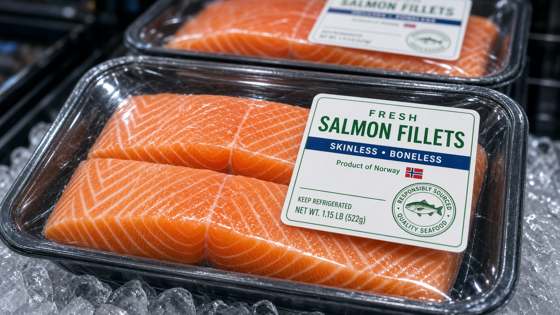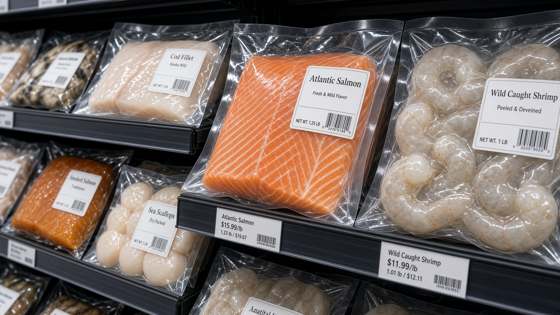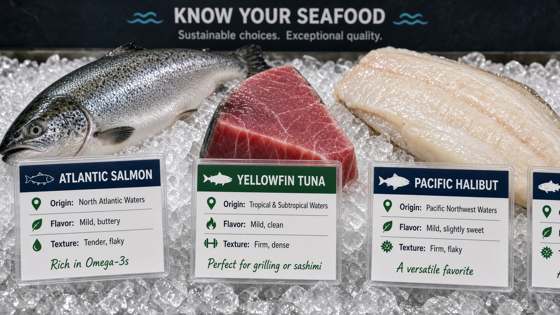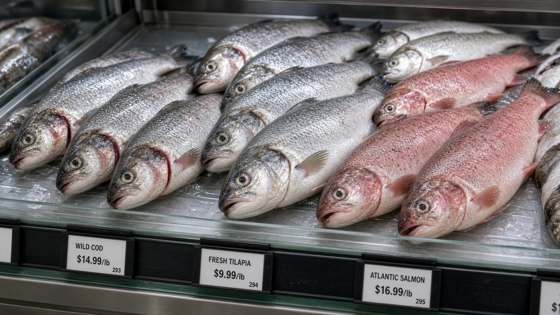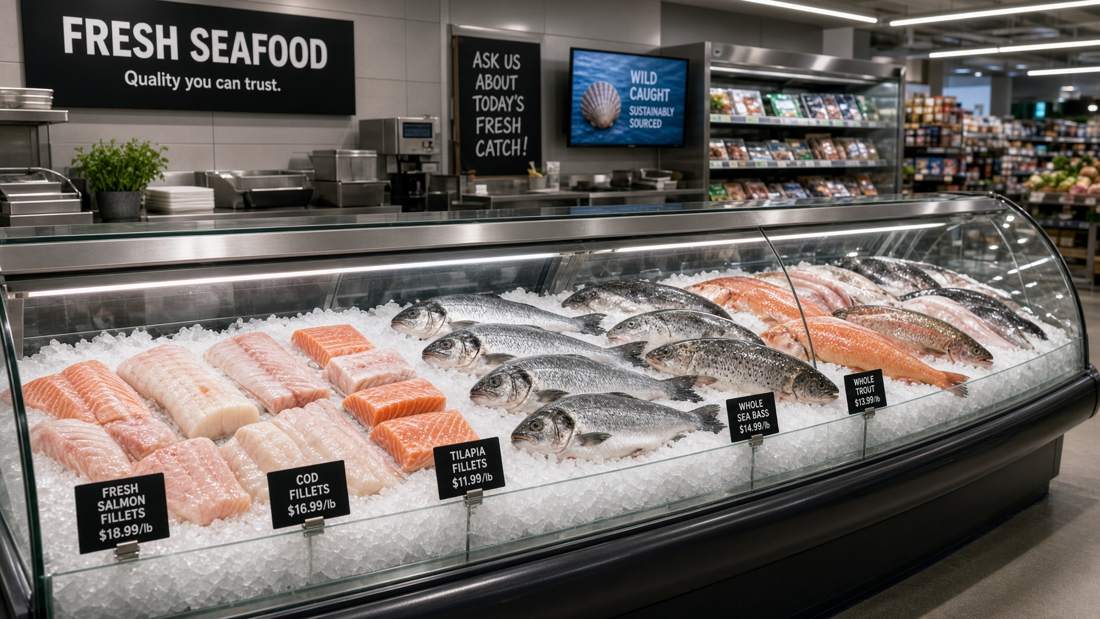
To reduce seafood waste, buy only what you will cook within a day or two, get it home cold and freeze the rest right away. Fish spoils faster than most proteins, so the waste usually comes from buying too early or storing it badly, not from the fish itself.
Reduce seafood waste before you buy
- Plan two or three fish meals for the week and buy for those only.
- Ask the counter to portion a larger piece into meal-sized packs, ready for the freezer.
- Check the weight you need: a typical serving of fish is around 4 to 6 ounces cooked, though appetites vary.
- Choose frozen for meals you may not cook this week.
Store it so it lasts
Keep fish in the coldest part of the refrigerator, at 40 F or below, and cook it within one to two days of purchase, in line with FDA guidance on fresh and frozen seafood. For longer storage, wrap tightly and freeze; see freezer burn causes and prevention.
Reduce seafood waste: freeze in useful portions
Freeze single portions, label with the date, and squeeze out air. Thaw in the refrigerator overnight rather than on the counter.
Use the whole catch
Shrimp shells, fish bones and heads and crab shells make excellent stock when simmered gently with onion, celery and herbs. Freeze trimmings in a bag until you have enough. Whole fish often costs less per pound than fillets, and the counter will fillet it for you; you get the bones for stock and avoid paying for waste. See whole fish versus fillets.
Marked-down seafood: a bargain or a risk?
Stores sometimes reduce prices on fish that is near its sell-by date. That can be a good deal if you cook it the same day, but not if it sits in your refrigerator. Check that it smells clean, the flesh is firm and moist and the package is cold. When in doubt, skip it; spoilage signs you should never ignore lists the warnings. Marked-down fish is best frozen or cooked immediately.
Leftovers
Cool cooked seafood quickly, refrigerate in a shallow covered container and eat it within three to four days, or follow the guidance in leftover seafood safe reheating. Flake leftover fish into salads, fish cakes, omelets or pasta.
Sustainability matters too
Wasted fish is wasted ocean resources and money. Groups such as Seafood Watch encourage choosing well-rated species, and using what you buy is part of the same idea.
A simple weekly plan that prevents waste
- Decide on your fish meals before you shop and buy for those meals only.
- Cook the most delicate seafood, such as scallops, shellfish and thin fillets, within a day.
- Leave firmer fish or frozen portions for later in the week.
- Freeze anything you will not cook within two days, the day you buy it, not the day it starts to smell.
- Check the refrigerator midweek and cook or freeze anything left.
What can go wrong in the fridge
Fish stored in a warm door shelf, left in a warm car on the way home or kept in an open tray can spoil much faster. Bring a cooler bag if your trip is long, put seafood in the shopping cart last and put it in the refrigerator on arrival. The USDA advises not leaving perishable food out for more than two hours, and one hour in hot weather above 90 F.
Using up what you have
- Odd bits of fish: chop into chowder, curry or fish pie.
- Cooked leftovers: flake into fish cakes, tacos, salads or a rice bowl.
- Shrimp shells: simmer for a quick bisque base or paella stock.
- Fish heads and frames: make a light stock, simmered gently and strained.
- Canned fish: keep a couple of tins for days when fresh fish plans fall through.
Thawing without waste
Thaw frozen fish in the refrigerator overnight, or follow the pack directions. Do not thaw at room temperature. Once thawed, cook it within a day or so and do not refreeze raw fish without cooking first unless the label allows it. Vacuum-packed fish should be removed from the sealed bag before thawing according to the pack instructions; check the label or FDA guidance.
Money saved
Wasting seafood is expensive because fish carries a high price per pound. Even small habits, such as freezing portions on the day you buy and making stock from trimmings, can save a noticeable amount over a year.
Common questions
Can I refreeze fish?
If it was thawed safely in the refrigerator, it can generally be refrozen but may lose quality. Cooking it first and freezing the cooked dish is a better option.
How can I tell if fish has gone off?
Sour, ammonia-like or strong odors, slimy or dull flesh and a sticky surface are warning signs. When in doubt, throw it out.
If you set out to reduce seafood waste, plan your portions, freeze early and let the bones and shells become stock, and very little of what you pay for will end up in the bin.