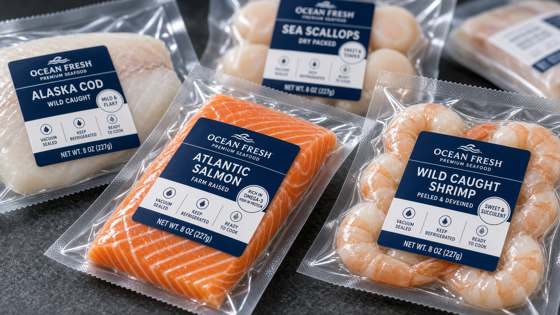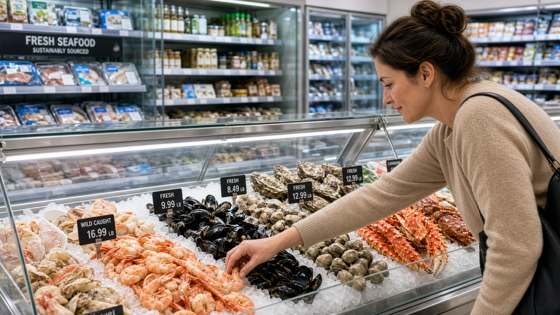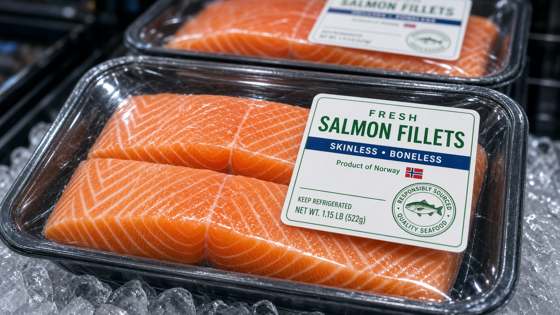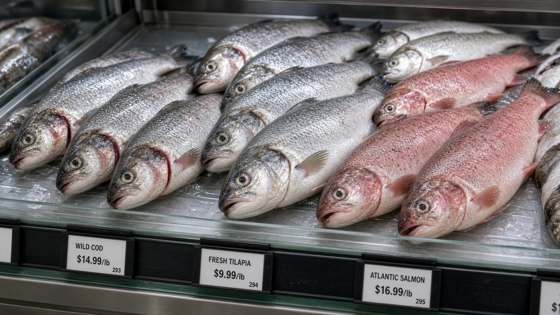
Distributor relationships 101 is not a topic most shoppers think about, but the company that sits between the boat or farm and your local fish counter shapes a lot of what you buy. Distributors decide how fast fish arrives, how it is stored, and which species a shop can easily get. Understanding that link explains why one store's fish is better than another's.
Distributor relationships 101: what a distributor does
A seafood distributor buys from processors, importers, fishers and farms, stores the product in cold warehouses and delivers it to restaurants, shops and supermarkets. Some specialize in fresh fish, some in frozen, some in live shellfish, and some in specific regions. They take on risk: if the fish is not sold, they carry the loss, and they can buy larger volumes than a small shop could.
Shops often work with several distributors, and a good relationship matters. A shop that orders consistently and pays on time may get first call on the best product and early notice of what is coming in. A shop with a poor relationship may be left with whatever is available.
How distributor choices reach your plate
Freshness and distributor relationships 101
The fewer the steps and the faster the delivery, the fresher the fish. Ask how often the shop receives deliveries and which day the fish you want arrived. Daily deliveries of fresh fish are a good sign. See the cold chain from boat to plate for what proper handling looks like.
Selection
The distributor's catalog sets the shop's menu. That is why a small independent can carry unusual local species, while a large chain stocks a short list of dependable staples. Read why small fish shops carry species you'll never see in a chain for more on this.
Traceability
A good distributor passes on information: species, origin, method of capture or farming, and lot or batch details. That is the backbone of traceability. See traceability systems in seafood supply chains. Where information is missing, mislabeling becomes easier, and FDA guidance on fish and fishery products sets expectations for how seafood should be handled and tracked in commerce.
Price
Each step adds cost and margin. A shop that buys directly from a boat may pay less for some items, but may also face less predictable supply. A shop using a distributor gains reliability. Neither is automatically cheaper for you.
Questions to ask your seller
- Where did this come from, and how did it get here?
- When did it arrive at the shop?
- Do you buy direct from fishers, or through a distributor?
- Can you tell me the species, origin and whether it was previously frozen? You can cross-check species details at FishWatch.
A seller who knows their suppliers will answer easily. Our guide ask your fishmonger the questions that reveal quality and sourcing has more ideas.
Building your own relationship with the seller
You do not need a distributor, but you can build a similar relationship with a fish counter. Shop regularly, ask about the best buys, and mention what you like. Sellers often set aside a good piece or give advance notice of a delivery for regulars. It is the shopper's version of distributor relationships 101: reliability and communication produce better product.
When you know distributor relationships 101 and how distributors work, you can read a fish counter like an insider: the delivery schedule, the range and the answers all point to the supply chain behind them.