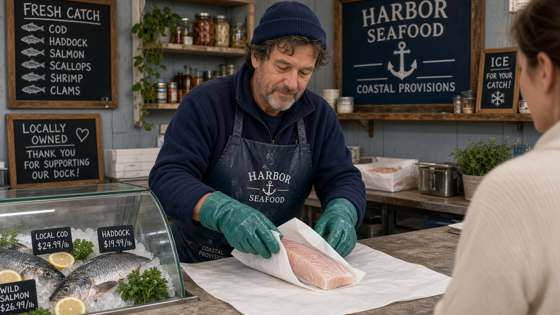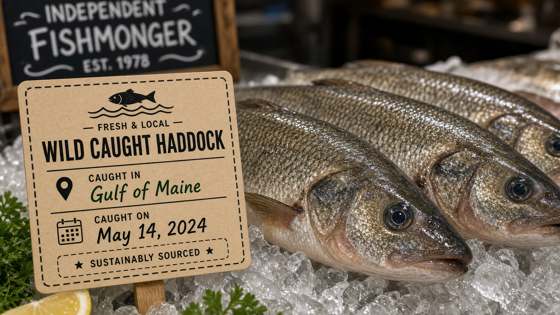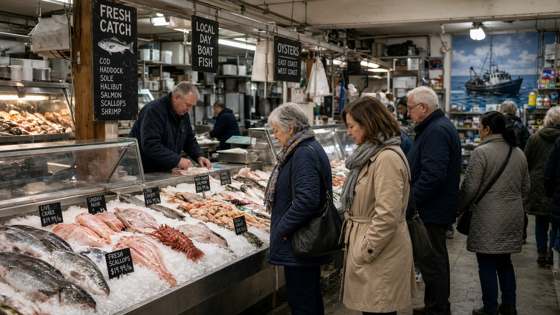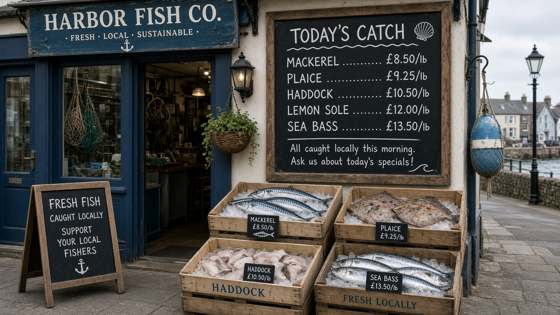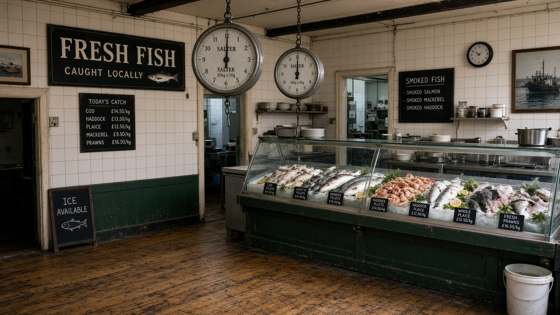
Small fish shops species lists often look different from a chain's, and the reason is mostly about volume. A national retailer needs a product it can supply to hundreds of stores every week, which favors a short list of reliable items such as salmon, shrimp, cod and tilapia. A single shop buying from nearby boats can take whatever shows up, including fish that never reach a national distributor.
Why small fish shops species lists include the unfamiliar
Several practical reasons explain the difference.
- Volume. A small boat may land a few hundred pounds of a species, which is plenty for one shop and nowhere near enough for a chain.
- Shelf life and handling. Some fish are delicate and do best when sold quickly from a nearby source.
- Name recognition. Chains tend to stock fish customers already ask for. Independent shops can educate their regulars and introduce something new.
- Local waters. What is caught nearby differs by region, so a shop on the Gulf Coast sells a different mix from one in New England or the Pacific Northwest.
Examples of fish worth asking about
NOAA's FishWatch site has profiles for many U.S. species. Depending on where you live, shops may offer items like Atlantic mackerel, bluefish, herring, sablefish (also called black cod) or sardines. See the FishWatch profiles for Atlantic mackerel and Atlantic bluefish for the agency's description of each. Availability varies a lot, and not every shop will have them.
Oily fish in small fish shops species lists
Mackerel, bluefish and sardines have rich, strongly flavored flesh. They are best very fresh, cooked simply and paired with acidic flavors like lemon, vinegar or tomatoes.
Mild white fish you may not know
Shops often carry regional white fish that cook like the familiar cod or haddock. Ask which species is similar to what you already like.
How to try something new without wasting money
- Ask for a small portion first, enough for one meal.
- Describe the flavor you like, such as mild, buttery or firm, and let the shop suggest.
- Ask for the cooking method they would use. Many shops have a favorite.
- Cook it within a day or two. The FDA recommends using fresh seafood within 2 days when stored at 40 F or below, as noted in its seafood buying guide.
Things to watch for
Unfamiliar does not mean better. Check the usual freshness signs and ask what the fish is called, where it was caught and whether it is wild or farmed. If you are pregnant or feeding young children, check the FDA's advice about eating fish to see which species fit in your diet. Some species are higher in mercury, so the species name matters.
Handling these catches is a specialty in itself, and how independent shops handle unusual catch covers cooking methods in more detail. If you want to know why your local selection changes, read how seasonal catch drives variety. Taking an interest in new fish can also help you build a relationship with your fishmonger.
To sum up, the small fish shops species list is worth exploring because it often includes local fish that are fresh, interesting and sometimes cheaper than the familiar favorites. Ask questions, buy small and cook it soon.