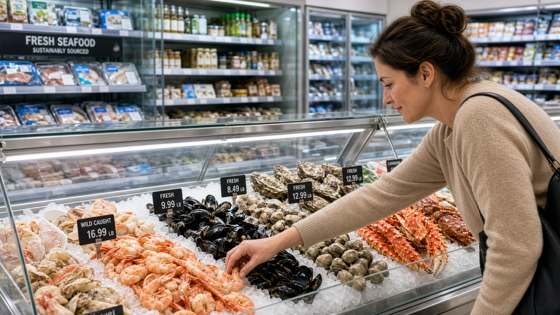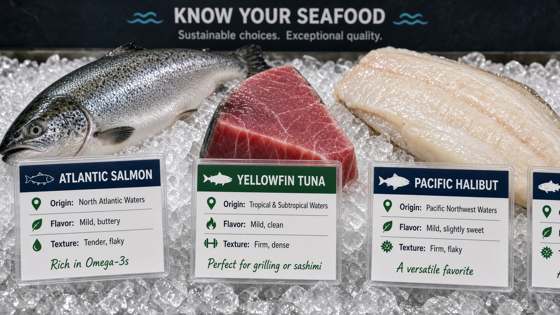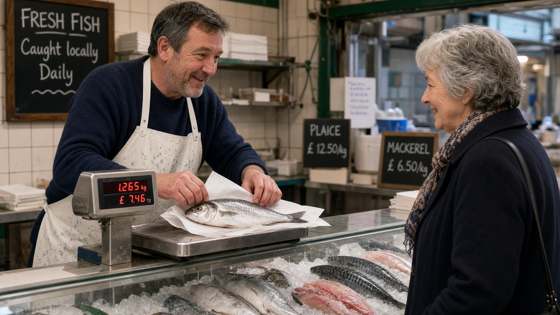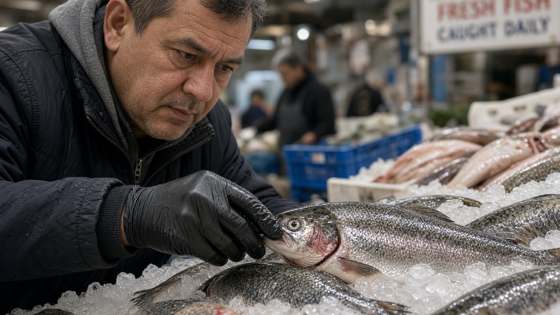
Seafood traceability means a seller can tell you where a fish came from, who handled it and when, and more shops now use it as a selling point. For you, it is a practical tool: it supports food safety, helps you spot mislabeled fish, and shows whether a claim like "locally caught" is true.
What seafood traceability looks like on the label
Seafood traceability: country of origin and method
In the United States, many fresh and frozen fish and shellfish at retail must show country of origin and whether they are wild-caught or farm-raised, though some products, such as processed or restaurant items, are outside the rule. The USDA's page on country of origin labeling describes the details. See also country of origin labeling explained.
Lot codes, dates and QR codes
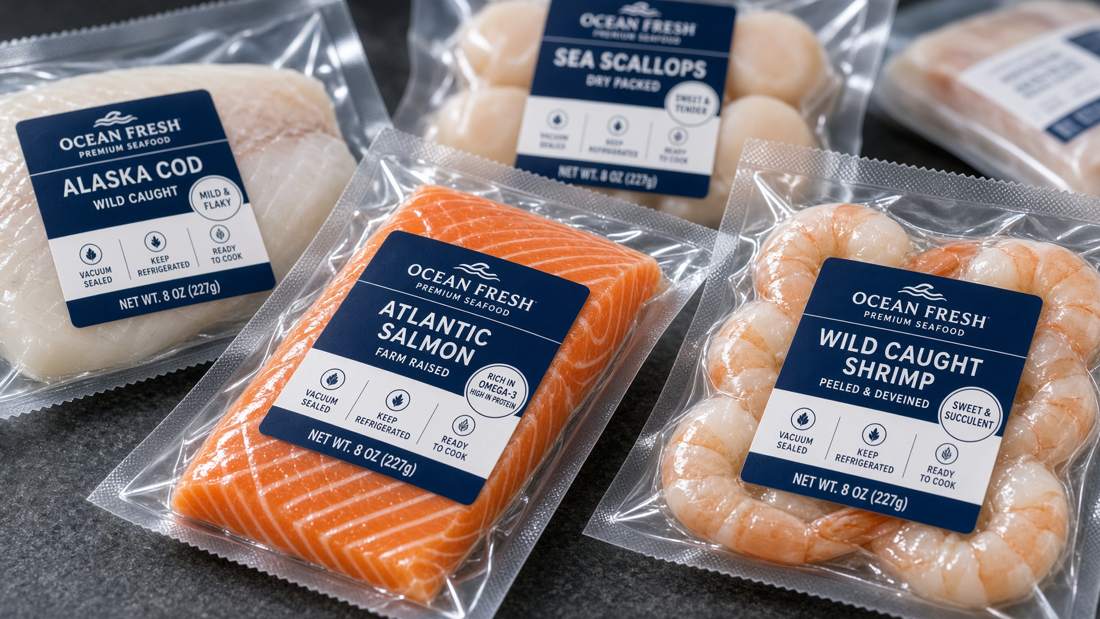
Packaged seafood often carries a lot or batch number. If a recall happens, that code helps identify affected products. Some sellers add a QR code that links to a page showing the boat, farm, species or harvest date. Scan it; the page should match what is on the label.
Why traceability matters to shoppers
- Safety: if a problem occurs, tracing a batch back speeds up recalls.
- Honest labeling: traceable fish is less likely to be a cheaper substitute. See avoiding fraudulent seafood substitution.
- Informed choices: origin affects freshness, sustainability ratings and personal preference.
Federal agencies also monitor certain imported species; the NOAA Seafood Import Monitoring Program sets reporting requirements for importers of certain species, which supports traceability behind the scenes.
Questions to ask a seller about seafood traceability
- What species is this, exactly, and where was it caught or farmed?
- When did it arrive, and was it previously frozen?
- Can you tell me the boat, farm or supplier?
- If I scan this code, what will I see?
A knowledgeable seller will answer. If answers are vague, treat the claim carefully. Small shops often have shorter supply chains; why local seafood sellers can offer better traceability explains why.
Using traceability when you shop online
Online sellers should show species, origin and handling details on the product page, since you cannot inspect the fish first. Save the order confirmation and any lot information that arrives with the box, so you can report a problem with a specific batch. If a page offers a catch date or boat name, compare it with the date on the package when it arrives.
Limits of traceability
A trace record shows where a fish came from, not whether it is sustainable or tastes good. Records can also be incomplete. Combine traceability with your own checks for freshness: clear eyes, clean smell, firm flesh. The NOAA FishWatch site offers profiles of many species for comparison.
Seafood traceability helps most when you use it: read the label, scan the code and ask the seller one direct question about where the fish came from.